Wiliot Walmart IoT Sensors and the Future of Retail
Published: 20 Dec 2025
Wiliot Walmart IoT sensors are transforming the retail industry by enabling real-time, smarter, more efficient product tracking. These battery-free IoT sensors leverage ambient energy to continuously monitor product movement and inventory levels, eliminating the need for constant charging or battery replacements. Walmart, a leader in retail innovation, has integrated Wiliot technology across its vast network of stores and warehouses to optimise inventory management and supply chain efficiency.
With these advanced sensors, Walmart can improve stock accuracy, reduce waste, and enhance product availability for customers. By embracing IoT sensors at scale, Walmart is enhancing operational efficiency, minimising costs, and paving the way for smarter, more sustainable retail solutions.
What Are Wiliot Walmart IoT Sensors and Why They Matter
Wiliot Walmart IoT sensors are tiny, battery-free smart tags that help products share data as they move through Walmart’s system. These sensors attach to pallets, boxes, or items and send signals about location, movement, and condition. They work quietly in the background and do not need charging or maintenance. This makes them practical for large retail operations.
What makes them essential is scale and accuracy. With Wiliot’s help, Walmart can track millions of products at once. This gives Walmart better visibility across warehouses, trucks, and stores. As a result, shelves stay stocked, waste drops, and customers find what they need without delay.
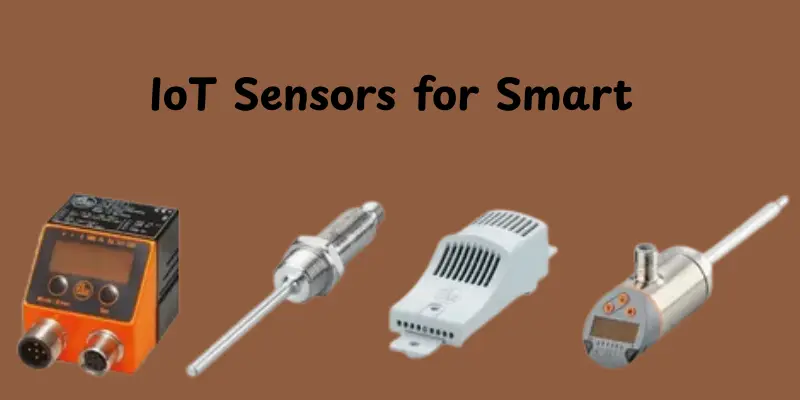
Why Walmart Chose IoT Sensors for Smarter Inventory
Walmart’s choice to implement IoT sensors has revolutionised its inventory management. These small, powerful devices help Walmart track products in real time, improving accuracy and efficiency. By adopting Wiliot’s Walmart IoT sensors, the retail giant has made a smart move to streamline operations and address long-standing inventory issues.
Solving the Inventory Accuracy Problem
Wiliot IoT sensors provide real-time inventory tracking, making it easier for Walmart to maintain accurate stock levels. With these sensors, products can be tracked from the warehouse to the shelves. This drastically reduces out-of-stock items, making sure customers can always find what they need.
The Need for Better Real-Time Tracking
With Walmart smart inventory powered by IoT technology, the company now has a clearer view of where every item is at all times. This helps with inventory management, ensuring products aren’t misplaced or lost. Real-time retail data allows store teams to restock shelves quickly and efficiently.
Improving Store Operations with IoT Sensors
By using ambient IoT sensors, Walmart enhances store operations and minimises time wasted on manual checks. These sensors help track goods in real time, allowing the company to make smarter decisions and improve product availability. With sensor-based inventory management, store employees can focus on tasks that need human attention, making the entire store more efficient.
Who Wiliot Is and How Its Technology Powers Retail
Wiliot is a leading innovator in ambient IoT technology, changing how retailers manage inventory and streamline operations. Their battery-free IoT sensors help businesses like Walmart track products in real time, providing more innovative solutions for modern retail. Through their cutting-edge sensors, Wiliot has made significant strides in automating and optimising supply chains.
- Ambient IoT technology powers real-time product tracking across retail stores.
- Battery-free sensors eliminate the need for frequent recharging or replacements.
- Wiliot’s sensors integrate with retail IoT solutions, enhancing supply chain efficiency.
- The technology scales easily, making it perfect for large retailers like Walmart.
How Wiliot IoT Sensors Work Without Batteries
Wiliot’s battery-free IoT sensors are a groundbreaking innovation in retail technology. These sensors use ambient energy, such as radio waves, to power themselves, making them more sustainable and efficient. By eliminating the need for batteries, Wiliot has created a solution that is cost-effective and low-maintenance for retailers like Walmart.
The Magic of Ambient Energy
Wiliot sensors don’t need batteries because they capture energy from the environment. They use ambient energy, such as radio frequency (RF) waves, to power up, making them highly sustainable. This allows them to continuously send data without needing to charge or change batteries.
Continuous Data Transmission Without Power Draining
Without the reliance on batteries, these sensors can transmit real-time data indefinitely. They use energy-efficient technology to send inventory information, reducing the need for regular maintenance. This enables a seamless experience for retailers, allowing them to track their products without worrying about sensor power issues.
Low-Cost and Low-Maintenance Solution
Since there’s no need to replace or recharge batteries, Wiliot’s sensors offer long-term cost savings. Retailers can reduce operational expenses associated with maintaining and managing battery-powered devices. It’s a more efficient and environmentally-friendly solution.
Sustainability and Eco-Friendly Design
Wiliot’s battery-free IoT sensors contribute to a greener environment. By removing the need for disposable batteries, they reduce waste and help companies like Walmart align with sustainability goals. This eco-friendly approach supports the growing trend of green technologies in retail.
How Walmart Tracks Products From Warehouse to Store
Walmart uses IoT sensors to track products as they move from the warehouse to the store shelves. This system provides the company with real-time visibility into its inventory, ensuring products are always in stock and ready for customers. By using Wiliot Walmart IoT sensors, the retail giant has improved its supply chain management, reducing delays and increasing efficiency.
Warehouse Tracking with IoT Sensors
In the warehouse, Walmart IoT tracking systems help monitor products as they arrive and are stored. The inventory tracking sensors communicate real-time information about product location and quantity. This ensures that every product is in its proper place and that no items are lost or misplaced before being shipped to stores.
Real-Time Tracking During Transport
As products move from the warehouse to stores, Wiliot IoT sensors continue to track the items in real time. These sensors send data on the product’s location, movement, and condition. This helps Walmart stay informed about shipment status and prevent delivery delays or errors.
Smart Tracking Inside Stores
Once the products arrive at the store, the same ambient IoT sensors help Walmart track items on the shelves. These sensors send real-time retail data, enabling store staff to restock shelves and monitor product availability quickly. This enhances the store’s ability to meet customer demand without overstocking or running out of popular products.
Finding Lost Items Faster
When items go missing or are misplaced, Walmart can leverage its IoT-enabled supply chain to locate them quickly. Since a sensor-based inventory management system tracks every product, Walmart can pinpoint the exact location of missing goods, ensuring shelves are always stocked, and customers get what they need.
Cold Chain Monitoring With IoT Sensors at Walmart
Walmart relies on IoT sensors to maintain a cold chain during the transportation and storage of perishable goods. These sensors provide real-time temperature monitoring, ensuring that products such as food and medicine remain within the required temperature range. This cold chain monitoring ensures product quality and safety, meeting the needs of both customers and regulatory standards.
What Cold Chain Means
A cold chain is the process of maintaining temperature-sensitive products within a specific temperature range throughout their journey from production to retail. This is especially crucial for perishable items like fresh produce, dairy, and frozen foods. Walmart logistics technology ensures that products maintain their freshness and quality by continuously monitoring temperatures with ambient IoT sensors.
Where Cold Chain Breaks
Cold chain disruptions can occur due to temperature fluctuations, whether during transport or storage. IoT-enabled cold chain monitoring helps Walmart spot temperature issues immediately. If an item moves out of the safe temperature range, the system alerts staff, allowing them to take corrective action quickly before any products are compromised.
How Sensors Spot Temperature Issues
Wiliot Walmart IoT sensors are designed to track temperature changes throughout the supply chain. These sensors are attached to perishable goods and transmit real-time temperature data. If a product gets too hot or too cold, the system sends an immediate alert. This allows Walmart to act quickly and avoid losses due to spoilage or unsafe conditions.
How Stores Fix Problems Quickly
When temperature issues are detected, Walmart’s IoT sensors enable store staff to take action right away. The system provides detailed information about the affected items, including location and temperature history. This makes it easier for staff to isolate the problem and either adjust the temperature or remove the compromised items from shelves, ensuring customers always get fresh, safe products.

Key Benefits of Wiliot IoT Sensors for Walmart Stores
Walmart has embraced Wiliot IoT sensors to improve store operations and inventory management. These battery-free IoT sensors offer numerous benefits, helping streamline processes, increase efficiency, and reduce costs. By utilising these sensors, Walmart has transformed how products are tracked, stored, and sold across its vast network of stores and warehouses.
Better Inventory Accuracy
One of the key advantages of Wiliot IoT sensors is their ability to provide real-time inventory tracking. Walmart can now monitor its stock with much greater precision, ensuring products are accurately accounted for. This eliminates discrepancies between physical stock and system records, leading to fewer out-of-stock items and more reliable inventory.
Fewer Out-of-Stock Items
The real-time tracking enabled by Wiliot Walmart IoT sensors allows Walmart to restock products before they run out. When an item starts to run low on the shelf, the system automatically signals the need for replenishment. This ensures better product availability for customers, improving their shopping experience and increasing sales opportunities for Walmart.
Less Food and Product Waste
By using sensor-based inventory management, Walmart can better manage perishable goods, such as fresh produce and refrigerated items. The cold chain IoT monitoring ensures food stays at the right temperature, while real-time tracking enables efficient shelf-life management. This reduces the risk of product spoilage, leading to less food waste and a more sustainable operation.
Saving Time for Store Staff
With ambient IoT sensors in place, Walmart’s store employees no longer need to spend as much time on manual stock checks. These sensors automatically track product movement and inventory levels, providing up-to-date data. Store staff can then focus on customer service and other essential tasks, making the store more efficient and reducing unnecessary labour costs.
IoT Sensors vs RFID: What Works Better for Retail
The debate between IoT sensors and RFID technology has been a hot topic in retail, as both offer unique benefits for inventory tracking and management. While RFID has been widely used for years, the newer IoT sensor technology is gaining traction, offering more advanced capabilities. Understanding the differences between these two technologies helps retailers like Walmart make the best choice for their operations.
How RFID Works
RFID (Radio Frequency Identification) uses tags that emit radio waves to transmit data to nearby readers. These tags are placed on products or pallets, and the RFID tracking system reads them to monitor their movement. RFID offers a simple solution for product identification, and it’s commonly used in many retail environments for stock management and anti-theft purposes.
Limits of RFID Tracking
While RFID is useful for tracking products in real time, it does have some limitations. It requires line of sight to the reader, meaning it can’t track items that are out of range or hidden from view. Additionally, RFID tags must be manually applied to products, which can increase costs. RFID also does not provide the same level of ambient data collection as IoT sensors, making it less flexible.
How IoT Sensors Add More Value
IoT sensors, like those used by Wiliot, Walmart, and other companies, offer greater flexibility and advanced capabilities. These sensors can be embedded in smart labels for retail and don’t require manual placement on every item. Unlike RFID, IoT sensors can collect and transmit real-time data without requiring direct line of sight. They are also battery-free, making them a more cost-effective and low-maintenance option for large retailers.
Using RFID and IoT Together
While RFID and IoT sensors each have their advantages, many retailers use both technologies together for a more comprehensive tracking solution. RFID can be used for large-scale product identification, while IoT sensors provide real-time tracking, inventory accuracy, and more detailed insights into product conditions. By combining these technologies, retailers like Walmart can gain a more complete view of their inventory and supply chain.
Challenges Walmart Faces With Large-Scale IoT Use
As Walmart continues to expand its use of IoT sensors for inventory management and other operations, it faces several challenges in implementing this technology at such a large scale. While IoT-enabled solutions offer significant benefits, integrating and managing them across thousands of stores, warehouses, and supply chains is no small task. Below are some key hurdles Walmart must address to realise the potential of IoT technology fully.
Sensor Placement Issues
One of the primary challenges in large-scale IoT use is ensuring that IoT sensors are correctly placed and applied across all products and locations. Walmart operates thousands of stores and warehouses, each requiring precise tracking of millions of products. Even a small mistake during the installation of a sensor or smart label for retail can lead to inaccurate data, undermining the system’s effectiveness. Ensuring sensors are correctly placed and consistent across all touchpoints is crucial to accurate inventory management.
Managing Massive Data Volumes
With real-time data tracking on millions of products, Walmart generates an enormous volume of data. The challenge lies in processing and analysing this vast amount of information quickly and efficiently. Without the right data management systems, Walmart risks being overwhelmed by big data. IoT sensors generate continuous streams of data, so the company must implement powerful analytics platforms to make sense of it all. Adequate data storage and analysis tools are essential to turn raw data into actionable insights.
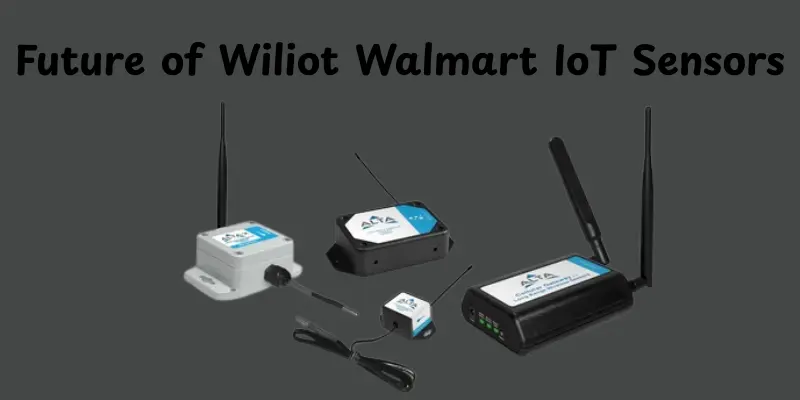
The Future of Wiliot Walmart IoT Sensors in Retail
The future of Wiliot Walmart IoT sensors in retail is poised to enhance inventory management and tracking significantly. As technology advances, Walmart will likely move toward item-level tracking, where each product is monitored in real time, enabling even more accurate stock management. This will help Walmart reduce out-of-stock situations, improve product availability, and create a more efficient shopping experience for customers.
Additionally, as ambient IoT sensors integrate with advanced technologies like AI, Walmart’s supply chain management will become even more predictive, optimising inventory distribution and reducing waste. The seamless flow of data will enable Walmart to anticipate demand patterns, ensuring products are always in the right place at the right time and ultimately driving better customer satisfaction and operational efficiency.
Frequently Asked Questions About Wiliot Walmart IoT Sensors
Here are some common questions people have about Wiliot Walmart IoT sensors and their role in retail operations:
Wiliot’s Walmart IoT sensors are battery-free devices that use ambient energy to track products in real time, enhancing inventory management across Walmart’s supply chain.
The sensors capture energy from radio-frequency (RF) waves in the environment, powering themselves and sending data without traditional batteries.
Walmart uses IoT sensors to improve inventory accuracy, reduce waste, and ensure real-time tracking of products from the warehouse to store shelves.
They improve inventory accuracy, reduce out-of-stock items, enhance real-time tracking, and help Walmart make better supply chain decisions.
Unlike RFID, which requires a reader to detect items, IoT sensors can send data in real time without requiring direct line of sight, making them more flexible and accurate.
Yes, Wiliot IoT sensors are designed to work across Walmart’s entire network of stores, warehouses, and supply chains, providing scalable inventory-tracking solutions.
In the future, these sensors will likely enable item-level tracking, predict demand trends, and improve supply chain efficiency, making retail operations more innovative and more sustainable.
Conclusion
Walmart IoT sensors are revolutionising the way Walmart manages its inventory and supply chain. These battery-free IoT sensors provide real-time tracking, improving inventory accuracy and reducing out-of-stock items. By leveraging ambient IoT technology, Walmart can monitor products seamlessly from the warehouse to the store, reducing waste and enhancing operational efficiency. As this technology evolves, it will enable more advanced features, such as item-level tracking and more intelligent supply chain decisions. Overall, Wiliot’s IoT sensors are laying the groundwork for a more efficient, sustainable, and customer-focused future in retail.






- Be Respectful
- Stay Relevant
- Stay Positive
- True Feedback
- Encourage Discussion
- Avoid Spamming
- No Fake News
- Don't Copy-Paste
- No Personal Attacks
- Be Respectful
- Stay Relevant
- Stay Positive
- True Feedback
- Encourage Discussion
- Avoid Spamming
- No Fake News
- Don't Copy-Paste
- No Personal Attacks
