What Is Telemetry? Easy Examples You Can Relate To
Published: 28 Nov 2025
Telemetry is a powerful technology that makes our world smarter, safer, and easier to understand. It automatically gathers information and sends it to another location where we can easily read it.
Thanks to telemetry, your smartwatch can track your heart rate, your car can show tire pressure, and weather stations can send live updates. It helps us make better, faster decisions and quietly supports our daily lives.
What Is Telemetry?
Telemetry is a technology that automatically collects data from a device or system and sends it to another location. It helps people understand what’s happening without being near the equipment.
The word comes from the Greek words “tele” (far away) and “metry” (measurement). So, telemetry is about measuring something from a distance.
Telemetry uses:
- Sensors to take readings
- A communication method to send the data
- A screen or system to show the data
The data can travel over the internet, mobile networks, or radio waves. Then a computer, app, or dashboard displays the information in a simple way. This makes it easy for people to monitor their health, machines, or environment in real time.
Why Everyone Is Talking About Telemetry
Telemetry is getting a lot of attention because it makes life easier, smarter, and faster. It gives people and businesses clear, live information, so they can make better decisions and run things smoothly.
Seeing Things in Real Time
- Telemetry shows what’s happening right now.
- It removes guesswork and keeps users up to date without delay.
- This real-time view makes systems easier and safer to manage.
Making Better Choices
- Good data leads to good decisions.
- Telemetry helps people spot problems before they grow bigger.
- This keeps things running smoothly and improves results.
Rise of Smart Devices
- Modern devices use telemetry to share useful information.
- Everything from watches to cars is becoming more connected.
- The result is a smarter, more convenient experience that people enjoy.
Better Monitoring of System Health
- Telemetry keeps a close eye on machines and gadgets.
- It helps detect early signs of trouble.
- This reduces downtime and keeps systems stable.
Safer and More Secure
- Telemetry alerts users when something needs attention.
- It supports safety in healthcare, transport, and industry.
- This helps protect people, equipment, and important data.
Support for Remote Work and Control
- People can now manage many tasks from far away.
- Telemetry makes remote monitoring simple and reliable.
- Work continues smoothly even when teams aren’t on-site.
A Bigger Part of Modern Technology
- Telemetry powers smart cities, IoT devices, and advanced tools.
- It helps different technologies work together smoothly.
- Its growing importance keeps telemetry at the center of modern innovation.
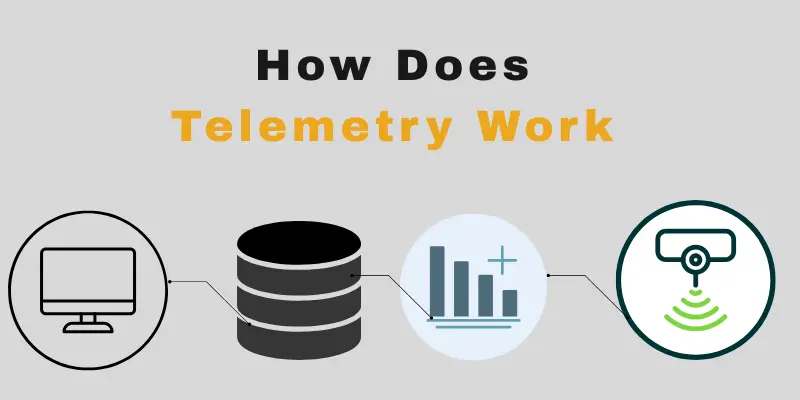
How Does Telemetry Work? (Step-by-Step Flow)
Telemetry gathers data from sensors and sends it to another location automatically. The data passes through a communication system to a receiver, which processes it. Finally, users see clear information on a dashboard or app in real time.
Reading the Sensor
- Sensors collect data from devices, machines, or the environment.
- They track things like temperature, pressure, speed, or movement.
- This is the first step in the telemetry process.
Getting the Signal Ready
- The sensor turns the reading into a signal the system can send.
- A small transmitter organizes and stabilizes this signal.
- This prepares the data for smooth and safe transfer.
Sending Data
- The signal travels through radio, mobile networks, satellites, or the internet.
- It moves from the remote device to another location automatically.
- The process is quick and keeps data up to date.
Receiving Data
- A receiver picks up the signal.
- It makes sure the data reaches the right server or system.
- This keeps the data complete and accurate.
Processing Data
- The system cleans and sorts the data.
- It removes noise and errors that make understanding harder.
- The goal is to make the information easy to use.
Clear Display
- The final data appears on a dashboard, app, or screen.
- Users see simple charts, graphs, or numbers.
- This helps people make quick, confident decisions.
Watching in Real Time
- The whole process happens automatically and continuously.
- People can monitor health, performance, or movement from anywhere.
- This makes telemetry a reliable tool for both work and daily life.
What Kind of Data Telemetry Collects
Telemetry collects many types of data that show how systems and devices are working. Each type of data supports safety, performance, and monitoring in different ways.
Performance Data
- Shows how well a machine or system is working right now.
- Includes values like speed, temperature, and workload.
- People use this to keep operations smooth and efficient.
Status Data
- Shows if a device is working, idle, or has a problem.
- Gives a clear picture of the system’s current state.
- This helps people act quickly when something goes wrong.
Usage Data
- Shows how often a feature or machine is used.
- Reveals real patterns in daily activity.
- This helps with planning, resource management, and capacity decisions.
Health Data
- Tracks battery levels, device condition, and system stability.
- Warns early when something needs repair or maintenance.
- This keeps equipment reliable and reduces sudden failures.
Location Data
- Shows where vehicles or equipment are at any moment.
- Helps with tracking, navigation, and planning movements.
- This is especially useful in transport, delivery, and fieldwork.
Environmental Data
- Shows conditions like temperature, humidity, or air quality.
- Helps monitor both indoor and outdoor environments.
- This supports comfort, safety, and environmental control.
Movement Data
- Records changes in motion, speed, and direction.
- Helps track how objects or vehicles move in different situations.
- This is useful for safety checks and performance improvements.
Event Data
- Tracks important actions like warnings, alerts, and errors.
- Highlights critical moments that need attention.
- This helps people respond quickly and keep systems safe.
Benefits Telemetry Brings to Businesses and Daily Life
In this section, we’ll look at the key benefits of telemetry. These points show how telemetry makes things easier, safer, and more efficient.
More Clear Visibility
- Telemetry shows exactly what’s happening in real time.
- It removes guesswork and gives accurate information instantly.
- This helps people stay informed and confident.
Faster Decision-Making
- Telemetry provides quick, reliable data for decisions.
- People understand the situation at a glance.
- This leads to faster actions and smoother operations.
Finding Problems Early
- Telemetry reveals small issues before they become big failures.
- It helps people fix things at the right time.
- This saves money, time, and stress.
Less Downtime
- Telemetry alerts users when a machine needs attention.
- Quick fixes keep systems running without long breaks.
- This supports steady, consistent performance.
Better Safety
- Telemetry sends alerts when something is wrong or unsafe.
- It warns people about risks in time.
- This makes workplaces safer and protects people and assets.
Easy Remote Monitoring
- People can check devices from anywhere.
- There’s no need to stand next to the machine all the time.
- This adds flexibility and saves time.
Better Resource Management
- Telemetry shows how tools and systems are being used.
- It exposes waste and unused capacity.
- This leads to better planning and lower costs.
Improved System Performance
- Telemetry tracks performance over time.
- It helps teams tune and optimize their systems.
- This builds strong, reliable systems that work well every day.
Better Customer Experience
- Companies can spot and fix problems that affect users.
- They improve products and services based on real data.
- This makes customers happier and builds trust.
Accurate Tracking and Reporting
- Telemetry gives data that’s easy to verify and trust.
- It shows patterns and trends clearly.
- This makes reporting simpler and more meaningful.
Support for Predictive Maintenance
- Telemetry shows signs of wear and stress on machines.
- Teams can plan maintenance before breakdowns happen.
- This helps equipment last longer and work better.
Easy Automation
- Telemetry provides the information systems need to act on their own.
- It reduces manual work and keeps tasks consistent.
- This speeds up workflows and increases productivity.
Real-World Use Cases of Telemetry
Telemetry is used in many parts of daily life and modern industry. It helps people clearly understand what’s happening around their devices, machines, and environments.
Tracking Health with a Smartwatch
- Smartwatches use telemetry to track heart rate, steps, and activity.
- They send this information to your phone.
- This keeps people aware of their health and progress.
Monitoring Car Performance
- Cars use telemetry to show fuel level, tire pressure, and engine status.
- Drivers get instant warnings when something needs attention.
- This improves safety and reduces surprise repair costs.
Managing Fleets and Deliveries
- Delivery companies track vehicles in real time using telemetry.
- They can see routes, speeds, and delivery progress.
- This makes deliveries faster and more organized.
Watching Patients in Hospitals
- Hospitals use telemetry to monitor heart rate and other vital signs.
- Doctors and nurses see updates without standing at the bedside.
- This supports quick treatment and better patient safety.
Weather and Environmental Stations
- Weather stations gather data like temperature, humidity, and air quality.
- They send this information to central systems.
- This helps communities prepare for weather changes.
Monitoring Industrial Machines
- Factories use telemetry to watch machine temperature, vibration, and load.
- Teams can see signs that a machine may fail soon.
- This keeps production smooth and reduces downtime.
Smart Home Systems
- Smart home devices use telemetry to control lights, energy, and security.
- People see and manage everything from a mobile app.
- This adds comfort, convenience, and control.
Farming and Agriculture
- Telemetry tracks soil moisture, weather, and crop health.
- Farmers use this data to water and treat crops at the right time.
- This improves growth and saves water and other resources.
Aviation and Aircraft Health
- Aircraft sends flight and engine data to ground teams using telemetry.
- Engineers watch performance and safety during and after flights.
- This makes flying safer and more efficient.
The Future of Telemetry: What’s Next?
As technology grows, telemetry is entering an exciting new phase. It will help people make better decisions, understand data faster, and stay connected to smarter systems.
Smarter, More Connected Devices
- More devices will send useful information in real time.
- Cars, home appliances, and tools will “talk” to each other easily.
- This will make daily life smoother and more convenient.
Stronger Support for Remote Work
- Telemetry will help teams control systems from anywhere.
- Remote workers will get clearer updates and solve issues faster.
- This keeps work flexible without losing effectiveness.
Better Predictions
- Telemetry will spot problems earlier and more accurately.
- Companies will fix issues before customers feel them.
- This builds trust and keeps systems reliable.
More Smart Cities and Public Services
- Cities will use telemetry to monitor traffic, energy, safety, and services.
- It will help make neighborhoods cleaner and more efficient.
- Good planning will improve daily life for everyone.
Safer and More Reliable Systems
- Telemetry will send clearer alerts and stronger protection.
- It will help keep machines, networks, and services safe.
- Homes, workplaces, and industries will become safer places to be.
Frequently Asked Questions About Telemetry
Here are some simple FAQs about telemetry to help you clear your doubts and quickly understand how it works and where it is used.
Telemetry gives clear, real-time information without manual checks. This improves safety, performance, and decision-making.
It’s widely used in healthcare, cars, software, weather stations, and industrial machines. These areas need constant data updates.
Smartwatches, cars, medical devices, sensors, and smart home systems use telemetry. They send useful data to apps and dashboards.
Telemetry sensors measure things like movement, temperature, pressure, and location. They send these readings to another system so people can see and use them.
Yes, some telemetry systems use radio or satellite signals. Others use the internet for faster and easier communication.
Yes, telemetry is designed to show live updates. This makes it easier for users to act quickly when things change.
Telemetry data helps people understand how a system works. It supports planning, safety, performance, and long-term improvement.
Yes, phones collect basic data about performance and network quality. This helps fix problems and improve features over time.
Conclusion
In this guide, you’ve learned what telemetry is, how it works, what kind of data it collects, and where it’s used in real life. You’ve also seen how it helps with safety, performance, and everyday comfort.
My simple suggestion: start noticing where telemetry already helps you. It may be in your smartwatch, your car, your home devices, or the apps you use every day. Once you pay attention, you’ll see how much easier, safer, and smarter this technology makes everything around you.
If you found this guide helpful, keep exploring more of our content and stay curious. There’s a whole world of smart systems out there waiting for you to understand them better.






- Be Respectful
- Stay Relevant
- Stay Positive
- True Feedback
- Encourage Discussion
- Avoid Spamming
- No Fake News
- Don't Copy-Paste
- No Personal Attacks
- Be Respectful
- Stay Relevant
- Stay Positive
- True Feedback
- Encourage Discussion
- Avoid Spamming
- No Fake News
- Don't Copy-Paste
- No Personal Attacks
