What is Wearable Telemetry Technology? Simple Explained
Published: 31 Dec 2025
Wearable Telemetry Technology is a game-changer in how we approach personal health and safety. By using sensors to measure everything from heart rate to body temperature, these devices send continuous data to remote systems. This allows for real-time monitoring and faster responses to health issues, making it a vital tool for athletes, patients, and anyone interested in better managing their health.
What Is Wearable Telemetry Technology?
Wearable Telemetry Technology refers to devices that you can wear on your body to monitor and track your health, fitness, or other activities in real-time. These devices use sensors to collect data such as heart rate, movement, body temperature, and more. The data is then transmitted wirelessly to another device, like a smartphone or a computer, where it can be analyzed.
For example, a fitness tracker like a Fitbit or an Apple Watch is a form of wearable telemetry technology. It tracks steps, heart rate, and even sleep patterns, sending this information to a connected app for analysis. This technology is used in many fields, including healthcare, sports, and safety, offering valuable insights to improve personal health and performance.
Why Wearable Telemetry Technology Matters
Wearable Telemetry Technology plays a significant role in improving health, fitness, and safety in everyday life. Here’s why it matters:
1. Continuous Health Monitoring
Wearable devices help monitor your health in real-time without the need for constant visits to the doctor. For instance, a smartwatch can track your heart rate, blood pressure, or oxygen levels and alert you to any irregularities, enabling you to take immediate action.
2. Improved Fitness Tracking
For fitness enthusiasts and athletes, wearables provide detailed insights into performance. Devices like fitness trackers can monitor steps, calories burned, distance, and sleep quality, helping users set and achieve fitness goals with real-time data.
3. Early Detection of Health Issues
With continuous monitoring, wearables can detect signs of potential health problems early. For example, a wearable device can detect abnormal heart rhythms or sudden drops in body temperature, prompting users to seek medical help before issues escalate.
4. Enhanced Safety
In workplace settings, wearables help monitor workers’ well-being, especially in high-risk industries. Devices that track things like fatigue, body temperature, or physical stress can alert workers to potential dangers, improving overall safety and reducing accidents.
5. Data-Driven Decision Making
Wearable telemetry provides valuable data that helps individuals make informed decisions about their health. With detailed feedback, users can adjust their lifestyle, such as changing sleep habits, improving exercise routines, or managing stress better.
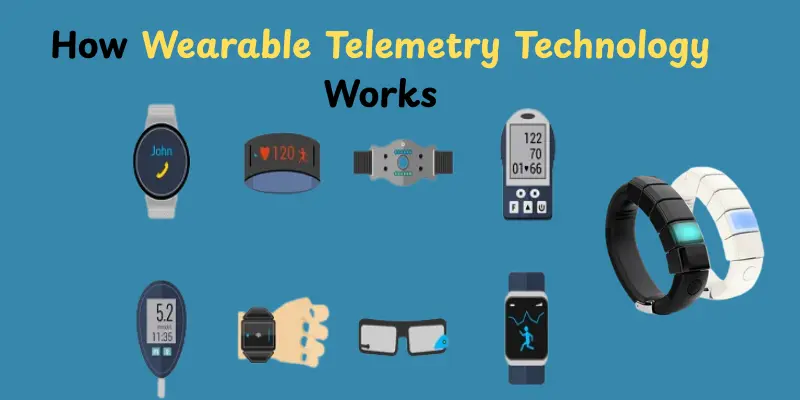
How Wearable Telemetry Technology Works
Wearable Telemetry Technology functions through a combination of sensors, data transmission, and analysis. Here’s a simple breakdown of how it works:
1. Sensors Collect Data
Wearable devices come equipped with various sensors that monitor different aspects of your body. Common sensors include:
- Accelerometers to detect movement and activity levels.
- Heart rate monitors to track your pulse.
- Gyroscopes to measure orientation and balance.
- Temperature sensors to monitor body heat.
These sensors constantly gather data from your body as you move throughout your day.
2. Data Transmission
Once the sensors collect the data, it needs to be sent to another device for processing. Wearable devices typically use wireless communication technologies like:
- Bluetooth
- Wi-Fi
- Cellular networks
This data is transmitted to a paired device, such as a smartphone or a computer, where it can be stored and analyzed.
3. Data Analysis
After the data is sent to a mobile app or cloud-based system, it is processed and analyzed. The system looks at the data to identify patterns or unusual trends. For example, it may calculate your average heart rate during a workout, track your sleep cycle, or monitor your step count over the course of a day.
4. Real-Time Feedback
Once the data is processed, wearable devices provide real-time feedback through apps or the device’s display. This could include notifications like:
- An alert if your heart rate is too high or too low.
- A reminder to move if you’ve been sedentary for too long.
- A report of your sleep quality for the night.
5. Remote Monitoring (for Medical Use)
For medical wearables, the collected data may be sent to healthcare providers who can monitor a patient’s condition remotely. This allows doctors to make timely decisions and intervene early if necessary.
Types of Wearable Telemetry Devices
Wearable telemetry devices come in various forms, each designed to monitor different aspects of health, fitness, or safety. Below are the key types of wearable telemetry devices, based on their functionality and use:
1. Fitness Trackers
Fitness trackers are the most common type of wearable telemetry device. They are designed to help users monitor physical activity and health metrics. Key features typically include:
- Step counting and calorie tracking
- Heart rate monitoring
- Sleep tracking to analyze sleep patterns
- Examples: Fitbit, Garmin Vivosmart, Xiaomi Mi Band
Why They Matter: Fitness trackers provide insights into daily activity levels and help users set and achieve fitness goals. They also promote overall health by encouraging physical movement.
2. Smartwatches
Smartwatches are advanced wearable devices that combine traditional timekeeping with health monitoring features. In addition to fitness tracking, they often include:
- GPS tracking for outdoor activities
- Heart rate monitoring
- Notification alerts (calls, messages, emails)
- ECG (Electrocardiogram) tracking for heart health
- Examples: Apple Watch, Samsung Galaxy Watch, Fitbit Sense
Why They Matter: Smartwatches provide a convenient all-in-one solution for health tracking and staying connected throughout the day.
3. Medical Wearables
These wearables are specifically designed for individuals with chronic health conditions or for patients needing constant monitoring. They help track critical health data and can alert users or healthcare providers to potential problems. Some include:
- Blood glucose monitors for diabetics
- Continuous glucose monitors (CGMs)
- Blood pressure monitors
- ECG monitors for heart health
- Examples: Dexcom G6 (for diabetes), AliveCor KardiaMobile (for heart monitoring)
Why They Matter: Medical wearables offer real-time health monitoring, making it easier for doctors to track conditions remotely and intervene when necessary.
4. Smart Clothing
Bright clothing integrates sensors directly into garments like shirts, pants, or jackets to monitor various health metrics. Common features include:
- Muscle activity tracking during exercise
- Body temperature monitoring
- Posture correction sensors
- Examples: Athos Smart Clothing, Hexoskin Smart Shirts
Why They Matter: Smart clothing is helpful for athletes and people who want a more comfortable and less noticeable way to track their physical health during everyday activities.
5. Safety Wearables
These wearables are designed for workplace safety and personal protection, especially in high-risk environments. They often track:
- Fatigue levels to prevent accidents
- Temperature for signs of heat stress
- Body position to detect falls or accidents
- Examples: GoPro Wearable Safety Camera, Honeywell Safety Wearables
Why They Matter: Safety wearables are crucial for workers in industries like construction, manufacturing, and healthcare, as they help prevent accidents and ensure worker well-being.
6. Sports Performance Wearables
Sports-specific wearables are tailored to the needs of athletes and active individuals. They are used to track performance metrics that can improve training and athletic skills. Features often include:
- Speed, distance, and pace tracking
- Cadence and stride analysis for runners
- Biomechanical performance feedback
- Examples: Whoop Strap, Polar Vantage V2, Strava Beacon
Why They Matter: These wearables help athletes push their limits, optimize training routines, and improve performance in their specific sport.
7. Sleep Trackers
Sleep trackers focus specifically on monitoring sleep patterns and improving sleep quality. They can provide detailed reports on:
- Sleep stages (light, deep, REM)
- Sleep duration
- Sleep quality analysis
- Examples: Oura Ring, Withings Sleep Tracking Mat
Why They Matter: Sleep trackers help users understand their sleep habits, identify potential sleep disorders, and improve their overall well-being by optimizing sleep quality.
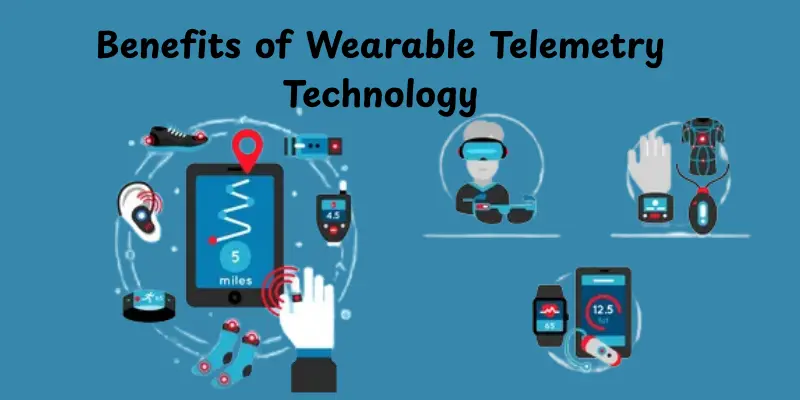
Benefits of Wearable Telemetry Technology
Wearable telemetry technology offers a wide range of advantages, making it a valuable tool for improving health, fitness, safety, and even productivity. Here are some key benefits of using wearable telemetry devices:
1. Continuous Health Monitoring
Wearable devices allow for real-time tracking of your health, offering continuous insights without needing frequent doctor visits. For example, smartwatches can monitor your heart rate, sleep, and physical activity throughout the day. This constant monitoring makes it easier to spot health issues early and take immediate action.
Why It Matters: Early detection can help prevent severe health conditions, allowing for better management of chronic diseases like diabetes or heart problems.
2. Improved Fitness and Performance Tracking
Whether you’re an athlete or just someone looking to stay fit, wearable telemetry technology helps track various fitness metrics. Devices like fitness trackers and smartwatches monitor steps, calories burned, distance, and even heart rate during exercise.
Why It Matters: With this data, users can optimize their workouts, set achievable goals, and track their progress over time, leading to better fitness results.
3. Better Sleep Quality
Wearable devices that track sleep patterns can provide valuable insights into how well you’re sleeping. They monitor sleep stages (light, deep, REM) and provide suggestions on how to improve sleep quality.
Why It Matters: Good sleep is essential for overall health. Wearable sleep trackers can help users identify sleep disruptions and adjust their habits to get more restful sleep.
4. Enhanced Safety
Wearables designed for safety, especially in the workplace, help monitor workers’ health and well-being. Devices can track physical stress, fatigue, and environmental factors, alerting workers or employers when conditions are unsafe.
Why It Matters: In high-risk industries like construction or manufacturing, these devices reduce the likelihood of accidents by detecting potential health issues or hazards early.
5. Remote Monitoring for Healthcare
Medical-grade wearables allow doctors to monitor patients’ health from a distance. Devices that track blood pressure, glucose levels, or heart rhythms send data to healthcare providers, enabling remote monitoring and quick responses if necessary.
Why It Matters: This technology reduces the need for in-person doctor visits and helps patients with chronic conditions manage their health more effectively.
Improved Health Management with Wearable Devices
Wearable devices are transforming the way individuals manage their health, offering real-time data and insights that help users make informed decisions about their well-being. Here’s how wearable technology can improve health management:
1. Real-Time Health Monitoring
Wearable devices provide continuous monitoring of key health metrics, such as heart rate, blood pressure, oxygen levels, and body temperature. For instance, a smartwatch can alert users if their heart rate exceeds a certain threshold or if their oxygen levels drop below normal.
Why It Matters: Continuous monitoring helps detect any changes in health status quickly, enabling users to take immediate action or consult healthcare providers before a situation worsens.
2. Chronic Disease Management
For individuals with chronic conditions like diabetes, heart disease, or hypertension, wearable devices play a crucial role in managing their health. Devices that monitor blood glucose levels, heart rhythms, or blood pressure provide real-time data, making it easier for patients and doctors to track and adjust treatments.
Why It Matters: Wearables allow for consistent tracking, which helps prevent complications and reduces the need for frequent doctor visits. Patients can also avoid unnecessary hospitalizations by managing their conditions effectively with the help of data.
3. Medication Adherence Reminders
Some wearables can send reminders to users to take their medication or track their adherence to prescribed treatment plans. Devices that sync with healthcare apps can even send alerts to caregivers or healthcare providers if doses are missed.
Why It Matters: Medication adherence is crucial for managing chronic conditions. Wearable devices help ensure that users follow their treatment plans, improving health outcomes and reducing the risk of complications.
4. Remote Healthcare Monitoring
Medical wearables enable doctors to monitor patients’ health conditions remotely. Devices that track vital signs like ECG readings, blood pressure, and glucose levels send data directly to healthcare providers. This means doctors can track progress and make adjustments to treatment plans without needing to see the patient in person.
Why It Matters: Remote monitoring allows for better management of chronic conditions, reduces in-person visits, and provides patients with continuous care, even when they are not physically in the doctor’s office.
Increased Productivity and Safety in the Workplace
Wearable telemetry technology is not only transforming personal health. Still, it is also revolutionizing workplace productivity and safety. By providing real-time data and insights, these devices help companies monitor employees’ well-being, improve operational efficiency, and ensure a safer work environment. Here’s how wearable devices contribute to increased productivity and safety in the workplace:
1. Monitoring Physical Stress and Fatigue
Wearable devices can track employees’ physical activity levels, heart rate, and fatigue throughout the workday. For example, devices can monitor stress levels and alert workers when they’re overexerting themselves or need a break.
Why It Matters: By monitoring fatigue, wearables help prevent burnout and physical strain, leading to fewer work-related injuries and higher overall productivity. Employees are more likely to perform at their best when they aren’t overworked.
2. Promoting Worker Wellness
Many wearable devices are equipped with features that track wellness metrics like sleep quality, steps taken, and overall activity levels. These devices can encourage employees to maintain healthy habits by sending reminders to take breaks, stretch, or get some exercise during the workday.
Why It Matters: Employees who feel well-rested and physically healthy are more productive, focused, and engaged in their tasks. Wearables help companies foster a healthier work culture, which in turn increases workplace efficiency.
3. Reducing Workplace Injuries
In industries like construction, manufacturing, or mining, safety is a critical concern. Wearable devices that monitor workers’ body temperature, heart rate, and posture can alert them to potential hazards, like heat stress or poor posture, and prompt them to take preventive measures.
Why It Matters: Wearables help detect unsafe conditions early, reducing the risk of accidents and injuries. Workers can take immediate action based on real-time data, ensuring their safety while on the job.
4. Tracking Movement and Productivity
Wearables that track movement and task completion can be used to monitor productivity levels. In warehouse settings, for example, devices can track how much physical activity employees are engaging in, such as walking, lifting, or bending, to ensure tasks are being completed efficiently.
Why It Matters: With this data, managers can identify areas where productivity can be improved or where employees might need support or training. This leads to better workflow management and more efficient operations.
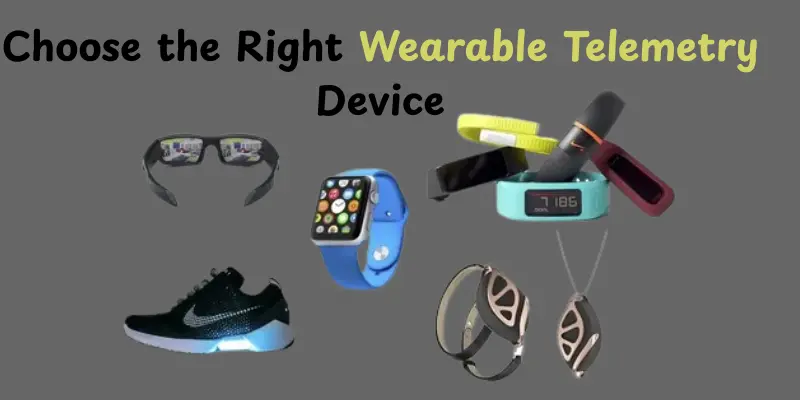
How to Choose the Right Wearable Telemetry Device
Choosing the right wearable telemetry device can feel confusing, especially with so many types available. The good news? If you focus on a few simple steps, you can pick a device that fits your goals, feels comfortable, and delivers valuable data. Here’s a clear, easy guide to help you choose the best device for your needs:
1. Know Your Purpose
Start by asking yourself one key question:
Why do you want a wearable device?
- Do you want to improve fitness?
- Track health signals like heart rate or blood pressure?
- Monitor a medical condition?
- Stay safer at work?
Knowing your goal makes it easy to narrow your options.
Example:
If you want to track workouts and daily steps, a fitness tracker is great. If you need medical data, look for medical-grade wearables.
2. Check the Features You Need
Different devices offer different features. Here are some common ones:
- Heart rate monitor – Tracks your pulse
- Step counter – Counts steps and distance.
- GPS – Tracks outdoor activity routes
- Sleep tracking – Monitors sleep patterns
- Medical sensors – Glucose, ECG, blood pressure
Make a list of must-have features before choosing a device.
Tip: Avoid paying for features you won’t use.
3. Comfort and Design Matter
You’ll wear the device every day, so it must feel comfortable.
Ask yourself:
- Is it lightweight?
- Does it fit well on my wrist or body?
- Do I like how it looks?
A device that feels good will be easier to use every day.
4. Check Compatibility with Your Phone
Most wearable devices need a smartphone app to show data. Before buying:
- Check if the device works with your phone (Android or iPhone).
- Ensure the app is easy to use and straightforward.
Tip: Read user reviews to see if others find the app simple and helpful.
5. Look at Battery Life
Wearables with short battery life can be annoying.
Consider:
- How long does the battery last on a single charge
- How often will you need to recharge
Longer battery life means less fuss and more tracking.
6. Read Reviews and Ratings
Before buying, check what real users say:
- Is the data accurate?
- How is customer support?
- Does the device last long?
User reviews can save you time and money by pointing out good and bad features.
7. Consider Your Budget
Wearable devices come in many price ranges.
- Budget devices – Basic features like step counting
- Mid-range – More health tracking (heart rate, sleep)
- High-end – Advanced sensors, medical-grade monitoring
Pick what fits your budget and offers good value for your goals.
8. Look for Trusted Brands
Choose devices from brands known for quality and reliability. Trusted brands often offer better customer support and more accurate data.
9. Check Data Security and Privacy
Your health data is personal. Make sure:
- The company has strong privacy policies
- Your data is encrypted and protected.
This keeps your health information safe.
10. Test It After Buying
Once you get the device:
- Wear it for a few days
- Check if it’s comfortable.
- Make sure the data makes sense.e
If it doesn’t meet your expectations, many companies offer easy returns.
Frequently Asked Questions About Wearable Telemetry Devices
Here are some of the most commonly asked questions about wearable telemetry devices, along with simple answers to help you understand them better:
They track heart rate, steps, calories burned, sleep quality, blood oxygen levels, body temperature, and movement.
Yes, many wearables, like fitness trackers and smartwatches, track your heart rate in real-time.
Wearables count steps, track calories, measure distance, and monitor active minutes, helping you set and achieve fitness goals.
Yes, they track sleep duration, stages (light, deep, REM), and quality, helping you improve sleep habits.
Many wearables are water-resistant or waterproof, but check the device’s rating (e.g., IP67 or IP68) for details.
Yes, some devices detect heart irregularities, low oxygen levels, or changes in sleep patterns, alerting users to potential issues.
Yes, they’re designed to be simple, with easy-to-navigate apps and transparent data displays.
Conclusion
So, guys, in this article, we’ve covered wearable telemetry devices in detail. From fitness tracking to health monitoring, these devices offer real-time data that can help you make smarter decisions about your well-being. I personally recommend starting with a device that meets your specific goals, whether it’s for fitness, sleep improvement, or health monitoring. Take control of your health and safety today by choosing a wearable that works for you. Ready to get started? Find the best wearable telemetry device for your lifestyle now!






- Be Respectful
- Stay Relevant
- Stay Positive
- True Feedback
- Encourage Discussion
- Avoid Spamming
- No Fake News
- Don't Copy-Paste
- No Personal Attacks
- Be Respectful
- Stay Relevant
- Stay Positive
- True Feedback
- Encourage Discussion
- Avoid Spamming
- No Fake News
- Don't Copy-Paste
- No Personal Attacks
