Telemetry Technology: Key Applications, Benefits & Future
Published: 30 Nov 2025
Telemetry technology is the basis of modern data-driven industries. It delivers about 40 zettabytes of data from remote sensors every year. The regular flow of information is essential for a wide range of activities, from monitoring clients in healthcare to tracking how well cars are performing in the automotive industry.
Telemetry enables smart devices to communicate and operate independently in the fast-growing Internet of Things (IoT). This feature gives businesses the critical information they need to make things work better, safer, and fresher across the board.
What is telemetry tech?
Telemetry tech is the technology that receives information from sensors or devices that are distanced and sends it to a central system for monitoring and analysis.
It is common in fields like healthcare, transportation, and space travel to make sure that decisions are made in real time and that operations run smoothly. This technology is essential for getting data-driven insights from a distance.
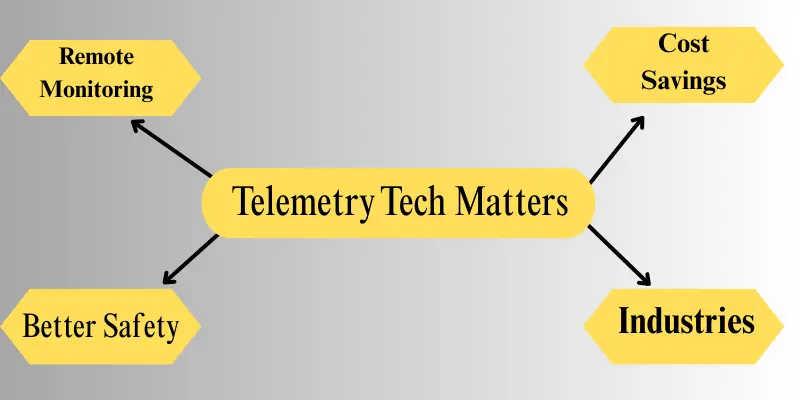
Why Telemetry Tech Matters
Telemetry technology is important because it enables real-time data collection and transmission from remote locations, providing industries with current information for better management. Telemetry makes it easy to check systems from a distance, which means smaller on-site checks, better safety, lower operating costs, and less downtime.
Telemetry ensures that critical information is always available across fields such as healthcare, transportation, and space travel. This helps improve performance and efficiency.
Real-Time Data: Telemetry provides real-time data to help you make quick, smart decisions.
Remote Monitoring: It saves time and resources by eliminating the need for constant on-site checks.
Better Safety: Lets you keep an eye on essential systems at all times, helping prevent accidents.
Cost Savings: Finding problems early can save money on repairs and downtime.
Impact on the Whole Industry: Telemetry technology is used across industries such as healthcare, travel, and space to enhance efficiency and performance.
A Simple Explanation of Telemetry Tech
Telemetry tech is a system that collects data from remote sensors and sends it to a central system for analysis. It helps monitor temperature, pressure, and speed from a distance.
Many industries use this technology to track equipment health, monitor vital patient signs, and gather environmental data without the need for physical presence. It ensures real-time access to critical information, allowing quick decisions and improvements in operations.
- What It Is: Telemetry tech collects data from remote sensors and transmits it to a central system.
- How It Works: Sensors gather information (e.g., temperature, speed) and send it to a remote server or device.
- Key Purpose: To monitor systems or devices from a distance and ensure real-time data access.
- Industries Using It: Healthcare, transportation, agriculture, and space exploration.
- Benefit: Provides timely insights, reducing the need for manual checks and improving efficiency.
How Telemetry Tech Works: Breaking It Down
Telemetry technology plays a crucial role in data monitoring and transmission. It allows data to be collected from remote or inaccessible locations and then transmitted to a central system for analysis, monitoring, and decision-making. This technology is used across industries, including healthcare, aerospace, environmental monitoring, and automotive systems.
How Does Telemetry Technology Work?
- Data Collection: Gathering data from sensors or devices in remote locations.
- Signal Transmission: Sending collected data through communication channels (e.g., radio, internet).
- Real-Time Monitoring: Continuous tracking of data for immediate analysis and response.
- Remote Data Retrieval: Accessing data from distant or hard-to-reach areas.
- Data Processing: Converting raw data into usable information for analysis.
- Alert Generation: Sending notifications when data exceeds certain thresholds.
- Automated Controls: Adjusting systems automatically based on telemetry data.
- Data Logging: Storing data for historical reference and future analysis.
- Predictive Maintenance: Using data to anticipate when equipment will need servicing.
- Interoperability: Ensuring devices can communicate across different systems and platforms.
- Data Integrity: Ensuring data is accurate, reliable, and untampered with.
- Security: Protecting data from unauthorized access or modification.
- Battery Life Management: Managing power consumption for long-term operation in remote environments.
- Scalability: Allowing systems to grow and handle more devices or data.
- Feedback Systems: Providing actionable insights based on collected data.
- Decision Support: Helping decision-making through data-driven insights.
- Integration with IoT: Connecting telemetry with other devices and networks for smarter systems.
- Data Visualization: Presenting data in graphical formats for easier interpretation.
- Sensor Calibration: Ensuring sensors provide accurate and consistent readings.
- Data Compression: Reducing the size of data to optimize transmission and storage.
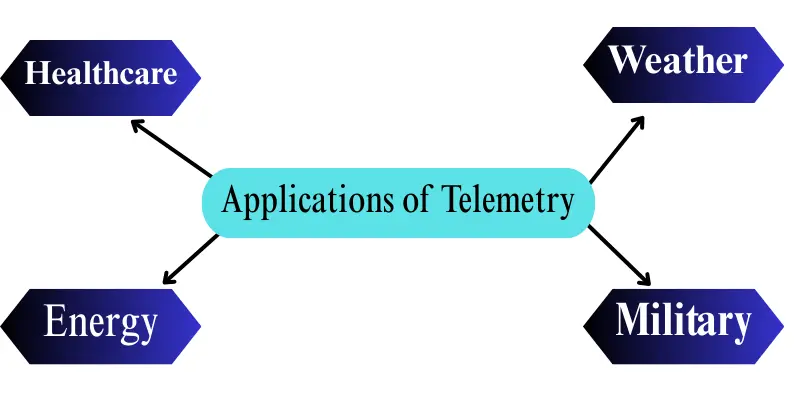
Real-World Applications of Telemetry Tech
Telemetry is a technology that helps us track and monitor things from far away. It’s used in many areas of life to make things easier, safer, and more efficient.
- Space Exploration: Telemetry tracks spacecraft and satellites, making sure they’re working properly as they travel in space.
- Healthcare: Doctors use telemetry to verify patients’ health from a distance, like monitoring heart rate or temperature.
- Cars: Telemetry helps track car performance and can alert you if something needs repair.
- Farming: Farmers use telemetry to monitor crops, soil, and weather to help them grow better food.
- Energy: Telemetry monitors electricity consumption and aids in energy conservation within smart grids.
- Oil and Gas: It monitors pipelines and rigs, ensuring safety and preventing accidents.
- Weather: Telemetry collects data from weather stations to predict storms and other weather events.
- Mining: It tracks mining equipment and safety, making sure everything works well underground.
- Military: The military uses telemetry to track equipment and soldiers in the field to keep them safe.
- Telecommunications: Telemetry helps telecom companies monitor network health and prevent issues with phones and the internet.
- Factories: It monitors machines in factories, ensuring everything works smoothly in production.
- Public Safety: Emergency services like ambulances use telemetry to track their vehicles and reach people quickly.
- Smart Cities: Telemetry helps cities manage things like traffic lights, water supply, and waste removal more efficiently.
- Marine: Ships use telemetry to track their location, speed, and equipment to stay safe while at sea.
- Railroads: Telemetry tracks trains’ speed and health, ensuring they’re running safely and on time.
- Sports: Telemetry tracks players’ health and performance during games and practice.
- Aviation: Airplanes use telemetry to monitor things like engine performance and flight conditions.
- Construction: Telemetry tracks construction equipment and materials, helping builders stay on schedule.
- Water Management: Telemetry monitors water systems to ensure clean water is flowing and being used properly.
- Building Systems: Telemetry helps control heating, air conditioning, and lighting in buildings to keep them comfortable and energy-efficient.
- Food Safety: It tracks storage conditions for food, making sure it stays fresh and safe to eat.
- Wildlife Conservation: Telemetry tracks animals with GPS collars to study their movements and behavior in the wild.
- Telemedicine: Telemetry helps doctors monitor patients’ health from a distance, especially for those with chronic conditions.
- Smart Homes: Telemetry controls devices in smart homes, like lights, locks, and thermostats, making life easier and more convenient.
- Fitness Wearables: Telemetry is used in fitness trackers to monitor steps, heart rate, and sleep patterns.
- Delivery Services: Telemetry helps track packages and delivery trucks, ensuring they arrive on time.
Key Benefits of Telemetry Technology
Telemetry technology offers a smart way to monitor, manage, and optimize systems remotely, ensuring efficiency, cost savings, and enhanced decision-making.
- Remote Monitoring: Telemetry allows you to keep track of devices and systems from far away.
- Instant Data: It provides real-time data, so you always know what’s happening.
- Increased Efficiency: Telemetry helps businesses work smarter by automating data collection.
- Fewer Human Errors: It reduces the chance of mistakes since data is automatically gathered and sent.
- Cost Savings: It helps save money by identifying issues early before they become big problems.
- 24/7 Tracking: Telemetry works all day, every day, without needing a break.
- Improved Decision Making: With accurate data, you can make smarter and faster decisions.
- Better Resource Management: Helps in managing resources like power, water, and fuel more effectively.
- Safety Monitoring: Keeps an eye on equipment and systems to make sure they’re safe and secure.
- Predictive Maintenance: Predicts when things need repair or maintenance, preventing sudden breakdowns.
- Remote Access: You can access data anytime and from anywhere with an internet connection.
- Data Accuracy: Telemetry delivers precise data, ensuring better analysis and results.
- Custom Alerts: You can set up custom alerts for certain conditions, making it easier to respond to issues.
- Reduced Downtime: Helps detect problems early, reducing unexpected downtime.
- Increased Productivity: With less manual data gathering, workers can focus on more important tasks.
- Energy Efficiency: Telemetry can track and reduce energy use, saving on utility costs.
- Better Customer Service: Keeping systems running smoothly improves the customer experience.
- Compliance Monitoring: Helps ensure that systems meet industry regulations and standards.
- Scalability: Telemetry systems can grow with your business, making it easy to add more devices.
- Real-Time Feedback: Gives immediate feedback, so you can adjust quickly.
- Remote Troubleshooting: You can solve problems without having to be physically present, saving time and effort.
- Data Integration: Telemetry systems can be integrated with other systems, creating a more connected operation.
- Supports Sustainability: Helps reduce waste and improves sustainability efforts by tracking resource usage.
- Customizable Reporting: You can create reports tailored to your specific needs, making data analysis easier.
- Improved Security: Monitors systems for unauthorized access, helping to keep your data safe.
Telemetry in Health Tech: Keeping Patients Safe
There are different types of telemetry systems in health tech, each designed to monitor specific aspects of patient health. These systems allow doctors and healthcare providers to keep track of Important things signs and ensure timely care from a distance.
- Cardiac Telemetry: Monitors heart rate and rhythm to detect abnormal heart conditions.
- Respiratory Telemetry: Tracks breathing patterns and oxygen levels to manage respiratory health.
- Blood Pressure Telemetry: Keeps an eye on blood pressure levels to detect hypertension or other issues.
- Glucose Monitoring: Tracks blood sugar levels for diabetic patients, ensuring they stay within a safe range.
- Temperature Monitoring: Measures body temperature to detect fever or infections.
- Wearable Devices: Smart devices that track multiple health metrics like steps, sleep, and important things.
- Telemetry for Neonates: Special monitoring systems for babies in NICUs to ensure their health stability.
How Telemetry Supports Fleet Management
Telemetry plays a crucial role in fleet management by providing real-time data about vehicles and their operations. These systems help fleet managers optimize performance, reduce costs, and enhance safety by tracking and analyzing vehicle data.
- Vehicle Tracking: Monitors the real-time location of each vehicle in the fleet.
- Fuel Monitoring: Tracks fuel consumption to improve fuel efficiency and reduce costs.
- Driver Behavior Monitoring: Records driving habits such as speeding, braking, and acceleration.
- Engine Diagnostics: Offers information regarding engine performance and potential mechanical issues.
- Maintenance Alerts: Notifies fleet managers when a vehicle is due for maintenance or repairs.
- Route Optimization: Analyzes traffic and conditions to suggest the most efficient routes.
- Geofencing: Sets virtual boundaries to monitor if a vehicle enters or exits a specific area.
- Temperature Monitoring: Tracks the temperature in vehicles, particularly important for transporting perishable goods.
- Tire Pressure Monitoring: Ensures tires are properly inflated, improving fuel efficiency and safety.
- Vehicle Utilization: Tracks how often and how long vehicles are being used to optimize fleet deployment.
- Cargo Monitoring: Monitors the condition of cargo, ensuring it’s being transported properly.
- Event Recording: Captures data about specific events such as harsh braking, accidents, or rapid acceleration.
- Fuel Theft Detection: Alerts managers if there are unusual drops in fuel levels, indicating potential theft.
- Compliance Monitoring: Ensures vehicles are operating within regulatory standards (e.g., emissions or working hours).
- Driver Fatigue Monitoring: Detects signs of driver fatigue and sends alerts to prevent accidents.
- Cost Analysis: Helps analyze and reduce overall fleet operational expenses, including fuel and maintenance.
- Fleet Analytics: delivers data on fleet performance, helping managers make informed decisions.
- Asset Tracking: Keeps tabs on trailers or equipment attached to vehicles, preventing loss or theft.
- Vehicle Diagnostics Reports: Generates detailed reports about vehicle health and performance.
- Real-Time Communication: Enables direct communication between fleet managers and drivers for quick updates and instructions.
The Role of Telemetry in the Internet of Things (IoT)
Telemetry in the Internet of Things (IoT) encompasses various forms, each designed to capture specific data from connected devices. Below are key types of IoT telemetry that facilitate monitoring, automation, and intelligent decision-making:
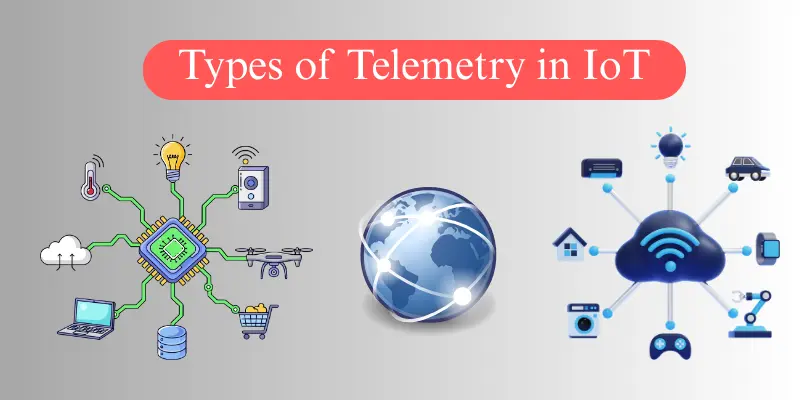
Types of Telemetry in IoT
- Environmental Telemetry: Monitors temperature, humidity, and air quality data.
- Location Telemetry: Tracks the geographic position of devices or assets.
- Motion Telemetry: Detects movement using accelerometers and gyroscopes.
- Energy Telemetry: Measures power consumption and energy efficiency.
- Health Telemetry: Captures biometric data from wearables or medical devices.
- Network Telemetry: Reports connectivity strength, latency, and bandwidth usage.
- Device Status Telemetry: Provides information on device health and performance.
- Operational Telemetry: Monitors machinery activity and runtime in industrial settings.
- Vehicle Telemetry: Tracks speed, fuel levels, engine performance, and diagnostics.
- Security Telemetry: Reports intrusion events, access logs, or security anomalies.
- Sensor Telemetry: Sends raw or processed readings from various IoT sensors.
- Actuator Telemetry: Confirms the state or action taken by actuators in a system.
- Predictive Maintenance Telemetry: Identifies early signs of equipment failure.
- Usage Telemetry: Tracks how frequently and in what way a device is used.
- Energy Harvesting Telemetry: Reports power generated from solar or kinetic sources.
- Smart Home Telemetry: Sends data from home devices like thermostats and cameras.
- Agricultural Telemetry: Monitors soil moisture, crop health, and weather conditions.
- Industrial Telemetry: Provides real-time metrics from factory equipment and processes.
- Fleet Telemetry: Manages vehicle fleets by tracking routes, loads, and performance.
- Environmental Hazard Telemetry: Detects gas leaks, fire risks, or radiation levels.
The Future of Telemetry Tech
The future of telemetry tech is expanding rapidly as new sensing, connectivity, and data-processing capabilities emerge. Below are the key types that are shaping the next generation of telemetry systems.
- Edge-AI Telemetry: Devices process data locally to reduce latency and bandwidth use.
- Quantum-Secure Telemetry: Uses quantum encryption to protect transmitted data.
- 5G/6G-Enabled Telemetry: Ultra-fast, low-latency networks for real-time data transfer.
- Satellite IoT Telemetry: Global, low-power connectivity for remote and mobile assets.
- Bio-Telemetry Systems: Advanced sensors track human or animal biological data in real time.
- Autonomous Vehicle Telemetry: High-fidelity vehicle-to-cloud communication for driverless systems.
- Digital twin telemetry live: data feeds virtual replicas to enable predictive simulation.
- Nano-Sensor Telemetry: Tiny embedded sensors deliver ultra-granular data from materials or environments.
- Energy-Harvesting Telemetry: sensors powered by ambient energy for long-life, maintenance-free operation.
- The built-in cyber-resilient telemetry includes anomaly detection and self-healing communication pathways.
Frequently Asked Questions about Telemetry Technology
Here are some quick and easy answers to the most common questions people ask about telemetry technology.
It’s tech that collects data from one place and sends it to another automatically.
It helps devices share real-time data so systems can work faster and smarter.
Healthcare, transport, manufacturing, and space all rely heavily on real-time data.
Yes, many have strong security features to protect data.
They make data transfer much faster with almost no delay.
It processes data directly on the device instead of sending everything to the cloud.
No, it will work alongside them to provide better global coverage.
It sends live data to digital models so they can predict issues early.
Yes, but they’re still growing and becoming more advanced.
They may cost more at first, but prices drop as the technology spreads.
Conclusion
So, guys, in this article, we’ve covered telemetry technology in detail. We looked at how it collects, sends, and analyzes data to create smarter, faster, and more efficient systems across different industries. My personal recommendation is to start experimenting with small telemetry tools or learning how data flows in the devices you already use. This simple awareness can help you adapt more easily as telemetry becomes even more integrated into everyday life. Staying informed now means staying ahead later. If this breakdown helped you understand the topic better, make sure to like, comment, and share—and keep following for more tech insights!




- Be Respectful
- Stay Relevant
- Stay Positive
- True Feedback
- Encourage Discussion
- Avoid Spamming
- No Fake News
- Don't Copy-Paste
- No Personal Attacks
- Be Respectful
- Stay Relevant
- Stay Positive
- True Feedback
- Encourage Discussion
- Avoid Spamming
- No Fake News
- Don't Copy-Paste
- No Personal Attacks
