The Role of Telemetry in Oil Industry Operations
Published: 2 Jan 2026
Telemetry in oil involves the use of technology to gather data from remote locations and provide valuable insights into oil operations. With sensors placed on equipment like pumps and pipelines, telemetry systems can detect early signs of trouble, helping prevent accidents and improving overall efficiency. As the oil industry becomes more data-driven, telemetry is an essential tool for maintaining safety and maximising performance.
What is Telemetry?
Telemetry is the process of collecting data remotely from a device, sensor, or machine and transmitting it to a central system for analysis. This data can include various measurements such as temperature, pressure, speed, and location. Telemetry is commonly used in industries like oil, healthcare, aerospace, and automotive to monitor equipment, track performance, and detect problems before they become significant issues.
Types of Telemetry Systems in Oil
In the oil industry, telemetry systems are essential for monitoring and managing remote operations. These systems collect real-time data from sensors placed on equipment and transmit it to central control centres for analysis. By providing constant insights into the health and performance of machinery, telemetry helps improve safety, efficiency, and decision-making. There are several types of telemetry systems used in oil operations, each suited for different aspects of the industry, from drilling to pipeline monitoring.
Downhole Telemetry
- Description: Used to monitor conditions deep within the well, such as pressure, temperature, and flow rates.
- Application: Helps ensure the well is operating efficiently and safely by providing real-time data from hard-to-reach locations.
Pipeline Telemetry
- Description: Monitors pipelines that transport oil and gas by measuring pressure, flow rate, and temperature along the pipeline.
- Application: Detects leaks, blockages, or unusual pressure drops, helping prevent accidents and ensuring safe transport.
Offshore Platform Telemetry
- Description: Focuses on monitoring equipment on offshore oil rigs, including drilling machinery, pumps, and valves.
- Application: Offers real-time data to control rooms to improve safety and reduce the risk of malfunctions or accidents.
Remote Asset Telemetry
- Description: Used for tracking and monitoring oil production equipment and assets in remote or isolated areas.
- Application: Provides insights into the condition and performance of equipment, even when the site is far from the control centre.
Benefits of Telemetry in the Oil Industry
Telemetry systems offer a range of benefits to the oil industry, enhancing both operational efficiency and safety. By collecting and transmitting real-time data from remote locations, telemetry enables companies to monitor equipment, detect potential issues early, and make data-driven decisions. This proactive approach not only helps reduce downtime and maintenance costs but also improves the overall performance and safety of oil operations, whether on land, offshore, or in pipelines.
Enhanced Safety
- Description: Telemetry helps detect hazardous conditions such as gas leaks or equipment malfunctions before they escalate into major problems.
- Benefit: Ensures the safety of workers and minimises environmental risks, reducing the chances of accidents or spills.
Improved Efficiency
- Description: With real-time data, operators can monitor the performance of machinery, optimise operations, and prevent bottlenecks.
- Benefit: Increases productivity, reduces waste, and ensures that oil operations run at optimal capacity, making operations smoother and faster.
Cost Savings
- Description: Early detection of equipment failures allows for predictive maintenance, preventing expensive repairs and reducing unplanned downtime.
- Benefit: Reduces operational costs by avoiding costly equipment breakdowns and minimising production delays.
Remote Monitoring and Control
- Description: Telemetry enables the remote monitoring of oil operations, including offshore platforms and pipeline systems.
- Benefit: Reduces the need for on-site personnel, cuts travel costs, and ensures that operations are continuously monitored from centralised control centres.
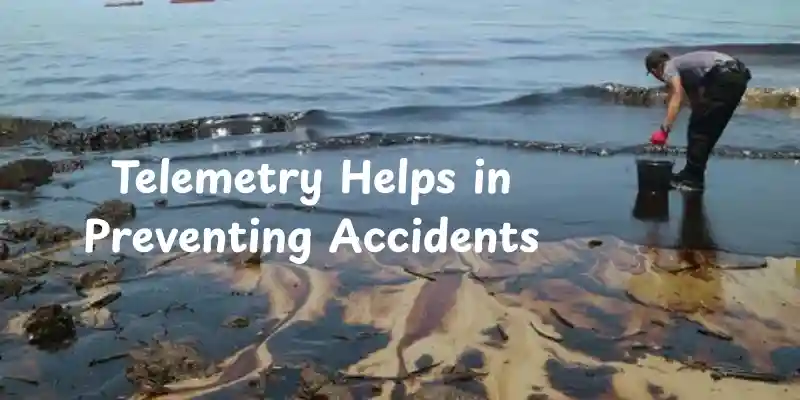
How Telemetry Helps in Preventing Accidents
Telemetry plays a critical role in preventing accidents in the oil industry by providing real-time data and early warnings of potential issues. By continuously monitoring equipment and environmental conditions, telemetry systems can detect abnormalities before they lead to catastrophic failures or safety hazards. This proactive approach allows operators to take immediate action, reducing risks, preventing accidents, and ensuring the safety of workers and the environment.
Early Detection of Equipment Failures
- Description: Telemetry systems monitor the health of critical equipment, such as pumps, compressors, and valves.
- How It Helps: By detecting signs of wear, overheating, or pressure drops, operators can identify failing equipment before it breaks down completely, preventing accidents like explosions or equipment malfunctions.
Monitoring Hazardous Conditions
- Description: Telemetry systems track environmental and operational parameters, including gas levels, temperature, and pressure.
- How It Helps: Real-time monitoring of these conditions ensures that dangerous levels of gas, pressure, or heat are detected early, preventing catastrophic events like gas leaks, fires, or blowouts.
Automated Alerts for Emergency Situations
- Description: Telemetry systems can be programmed to send automatic alerts if data from sensors falls outside safe operating ranges.
- How It Helps: These alerts allow for immediate corrective actions, such as shutting down equipment or triggering emergency responses, minimising the risk of accidents and protecting workers from harm.
Reducing Human Error
- Description: Telemetry systems reduce the reliance on manual monitoring by providing accurate, real-time data automatically.
- How It Helps: This reduces the chances of human error, ensuring that potential risks are detected and addressed promptly, enhancing overall safety in high-risk environments like offshore platforms or remote oil fields.
Telemetry in Pipeline Monitoring
Telemetry plays a vital role in pipeline monitoring, offering a continuous flow of real-time data that ensures the safe and efficient transportation of oil and gas. With long pipelines often running through remote or challenging terrains, the ability to monitor conditions remotely is crucial. Telemetry systems provide critical insights into pipeline pressure, flow rates, temperature, and potential leaks, helping prevent accidents and ensuring smooth operations across vast distances.
Continuous Monitoring of Pipeline Conditions
- Description: Telemetry systems track key metrics like pressure, temperature, and flow rate throughout the entire pipeline network.
- How It Helps: By offering continuous monitoring, these systems detect any deviations from normal conditions, allowing for quick intervention before minor issues turn into major problems.
Early Detection of Leaks and Blockages
- Description: Telemetry sensors are strategically placed along pipelines to identify early signs of leaks, corrosion, or blockages.
- How It Helps: Detecting leaks or blockages early allows for immediate action, reducing the risk of oil spills, environmental damage, and costly repairs. This proactive approach is essential for preventing accidents and maintaining the pipeline’s integrity.
Remote Access and Control
- Description: Telemetry systems enable operators to access and control pipeline systems from central locations remotely.
- How It Helps: This remote access ensures that operators can quickly respond to any issues without the need for constant physical inspections, improving response times and operational efficiency in monitoring vast pipeline networks.
Predictive Maintenance
- Description: Telemetry data allows for the analysis of pipeline performance and wear over time.
- How It Helps: By identifying patterns in data, operators can predict when maintenance is needed, preventing unexpected failures and costly repairs. This reduces downtime and ensures the long-term reliability of pipeline systems.
Challenges of Telemetry in the Oil Industry
While telemetry systems offer numerous benefits to the oil industry, they come with their own set of challenges. From managing vast amounts of data to dealing with connectivity issues in remote locations, these systems can face obstacles that make their implementation and operation complex. Understanding these challenges is key to improving how telemetry is used, ensuring that it continues to enhance efficiency, safety, and cost-effectiveness in oil operations.
1. Data Overload
- Description: Telemetry systems collect vast volumes of data from various sensors installed across equipment, pipelines, and oil rigs.
- Challenge: Managing and making sense of this data can be overwhelming. With so much information flowing in, it’s not always easy to prioritise what’s essential, leading to data fatigue or missed insights.
- Impact: Operators might struggle to find the most critical information in a sea of data, which could delay decision-making or cause potential issues to be overlooked.
2. Connectivity Issues in Remote Areas
- Description: Oil operations, mainly offshore rigs and pipelines in remote locations, often rely on satellite or radio signals for data transmission.
- Challenge: Weak or unreliable communication networks can disrupt the flow of real-time data. This can be especially problematic in harsh environments, like deepwater drilling sites or remote deserts, where internet access or signal strength is inconsistent.
- Impact: Delays in data transmission or the inability to transmit critical data in real-time can hinder the effectiveness of telemetry systems, putting operations at risk.
3. High Initial Setup and Maintenance Costs
- Description: Installing telemetry systems involves substantial investment in hardware, sensors, and software, along with ongoing maintenance and upgrades.
- Challenge: The initial costs can be a significant barrier, especially for smaller oil companies or in regions with tight budgets.
- Impact: While telemetry systems can ultimately save money by preventing accidents and optimising operations, the high upfront costs may deter some companies from fully implementing these systems or from keeping them up to date.
4. Security Concerns
- Description: With the increasing reliance on telemetry and connected devices, the security of sensitive data becomes a significant concern.
- Challenge: Telemetry systems are vulnerable to cyberattacks, which could compromise critical data or even lead to sabotage of operations.
- Impact: Oil companies must invest in robust cybersecurity measures to protect their telemetry systems from hackers, which adds complexity and cost to operations.
Telemetry and Predictive Maintenance
Telemetry and predictive maintenance are becoming essential tools in the oil industry, helping companies keep their equipment running smoothly while avoiding costly breakdowns. By using real-time data from telemetry systems, oil operators can predict when machines or equipment are likely to fail and take action before it happens. This proactive approach not only extends the life of equipment but also helps reduce downtime, improve safety, and cut maintenance costs.
How Telemetry Helps with Predictive Maintenance
- Description: Telemetry systems collect data from sensors installed on equipment like pumps, compressors, and turbines. These sensors track things like temperature, pressure, and vibrations, which are key indicators of machine health.
- How It Helps: By continuously monitoring these conditions, operators can spot any unusual patterns or signs of wear. For example, if a pump is running hotter than usual or showing higher-than-normal vibrations, it could be a sign that something’s about to go wrong. This allows operators to schedule repairs before the equipment fails.
Reducing Unexpected Breakdowns
- Description: Predictive maintenance is all about stopping problems before they become big, expensive issues.
- How It Helps: Instead of waiting for equipment to break down, telemetry data gives operators the chance to act early. For example, if telemetry data shows that a valve is starting to wear out, the team can replace it before it causes a leak or stops working altogether. This reduces costly emergency repairs and prevents unplanned shutdowns.
Optimising Maintenance Schedules
- Description: Telemetry helps operators plan maintenance based on actual data rather than guesswork.
- How It Helps: Instead of following a standard maintenance schedule, operators can look at the data and make decisions based on the condition of the equipment. If a machine is running well, it might not need a full maintenance check just yet. But if telemetry shows signs of strain, the equipment can be serviced right when it needs attention, making maintenance more efficient and cost-effective.
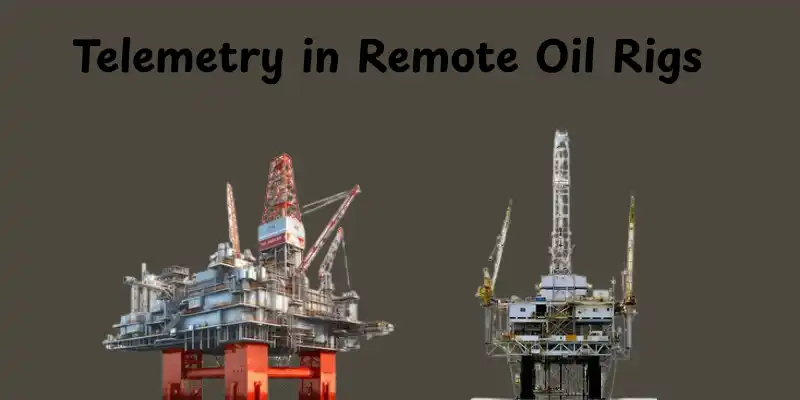
The Role of Telemetry in Remote Oil Rigs
In the oil industry, remote oil rigs are often located in harsh and isolated environments, making it difficult for operators to keep a close eye on operations. Telemetry plays a critical role in overcoming this challenge by providing real-time data from these remote locations. Through sensors and monitoring systems, telemetry allows operators to track equipment, monitor conditions, and make informed decisions without needing to be physically present. This not only improves safety but also enhances operational efficiency and reduces downtime.
Real-Time Monitoring of Remote Equipment
- Description: Telemetry systems installed on oil rig equipment gather data on performance, such as temperature, pressure, and vibration levels.
- How It Helps: With real-time data, operators can monitor equipment performance continuously, even from miles away. If something goes wrong, they can respond immediately, adjusting operations or scheduling repairs before a major breakdown occurs.
Ensuring Safety in Isolated Locations
- Description: Safety is a top priority on remote oil rigs, where immediate help is not always available. Telemetry allows for constant surveillance of critical systems, including emergency shutdowns and safety alarms.
- How It Helps: Telemetry systems can send alerts when safety thresholds are crossed, such as pressure levels becoming too high or gas levels approaching dangerous limits. This early warning system allows operators to take corrective actions before an emergency develops, ensuring the safety of workers and the environment.
Reducing the Need for On-Site Personnel
- Description: Sending personnel to remote oil rigs is costly and time-consuming. Telemetry helps reduce the need for frequent on-site visits by providing comprehensive remote monitoring.
- How It Helps: Operators can perform routine checks, troubleshoot issues, and make adjustments from a central control room, reducing travel costs and minimising the risks associated with sending workers to dangerous or hard-to-reach locations.
Predictive Maintenance for Remote Operations
- Description: Just like other oil operations, remote oil rigs rely on equipment that can fail unexpectedly. Telemetry systems track the health of equipment in real time, allowing for predictive maintenance.
- How It Helps: By detecting early signs of wear and tear, telemetry can help schedule maintenance before a failure occurs. This proactive approach prevents unplanned downtime and costly emergency repairs, keeping operations on track and reducing disruptions.
The Future of Telemetry in Oil
The future of telemetry in the oil industry is bright, as technology continues to evolve and improve the ways oil operations are monitored and managed. As the industry embraces more advanced systems, telemetry will become even more integral to ensuring efficient, safe, and sustainable operations. With the rise of AI, 5G connectivity, and more sophisticated sensors, telemetry will offer even more precise data, quicker responses, and more automated processes—ultimately transforming how oil is produced, transported, and managed.
Integration of Artificial Intelligence and Machine Learning
- Description: Artificial Intelligence (AI) and Machine Learning (ML) are revolutionising many industries, and telemetry in oil is no exception.
- How It Helps: AI can analyse the vast amounts of data collected by telemetry systems, identifying patterns and predicting potential issues before they occur. This will allow for even more accurate predictive maintenance, better decision-making, and quicker responses to problems, all without human intervention in some cases.
5G Connectivity for Faster Data Transmission
- Description: The rollout of 5G networks will play a massive role in the future of telemetry, especially in remote oil operations.
- How It Helps: With faster, more reliable data transmission, telemetry systems will be able to send larger volumes of real-time data quickly and securely. This will reduce lag times, improve response rates, and allow operators to monitor operations in even the most isolated locations with more reliability.
More Advanced Sensors and Real-Time Monitoring
- Description: As sensor technology improves, telemetry systems will be able to gather even more detailed data on equipment and environmental conditions.
- How It Helps: New sensors will provide a deeper understanding of machine performance, energy consumption, environmental impact, and more. Real-time monitoring will become more precise, helping to detect minor issues earlier and optimise the efficiency of operations in ways that weren’t possible before.
Greater Focus on Sustainability and Environmental Monitoring
- Description: With growing pressure to reduce environmental impact, telemetry will play a key role in ensuring more sustainable oil operations.
- How It Helps: Telemetry systems will monitor factors like emissions, water usage, and waste management. By analysing this data in real time, oil companies can ensure compliance with environmental regulations, reduce waste, and implement more sustainable practices—ultimately leading to greener oil production.
Frequently Asked Questions About Telemetry In Oil
Here are some frequently asked questions to help you better understand the role of telemetry in the oil industry.
Telemetry in the oil industry refers to using sensors and remote systems to gather data from equipment, pipelines, or oil rigs. This data is transmitted to a central system for monitoring and analysis. It helps improve safety, reduce downtime, and optimise operations.
Telemetry systems monitor equipment and environmental conditions in real-time, alerting operators to potential issues like gas leaks or equipment malfunctions. This allows quick actions to prevent accidents. It ensures that any unsafe conditions are detected early, improving worker safety.
Yes, telemetry systems can detect pipeline leaks or irregularities in real-time. By monitoring pressure and flow rates, it can identify small leaks before they turn into big problems. Early detection helps prevent costly spills and environmental damage.
Telemetry allows operators to monitor and control equipment from afar without needing to be physically present. It’s instrumental in remote or offshore oil rigs, where travelling to the site is challenging. With telemetry, oil companies can ensure smooth operations and respond to issues promptly.
Challenges include managing large volumes of data, maintaining reliable connectivity in remote locations, and the high initial cost of setting up telemetry systems. Additionally, security risks from cyber threats need to be addressed to protect sensitive data. However, these challenges can be managed with proper planning.
Telemetry helps track the condition of equipment by collecting data like temperature and vibration. This data is analysed to predict when maintenance is needed, preventing unexpected breakdowns. Predictive maintenance helps save money by reducing unplanned downtime and extending the lifespan of equipment.
Absolutely! As technology advances, telemetry will play a growing role in improving the efficiency, safety, and sustainability of oil operations. With new developments like AI, 5G, and more advanced sensors, telemetry will make operations smarter, faster, and more reliable.
Conclusion
Telemetry plays a vital role in transforming the oil industry by enhancing safety, improving efficiency, and reducing costs. Through real-time monitoring and data analysis, it helps operators detect potential issues early, ensuring smoother operations and minimising downtime. As technology continues to evolve, telemetry will become even more integral, enabling oil companies to work smarter, safer, and more sustainably in an increasingly complex industry.





- Be Respectful
- Stay Relevant
- Stay Positive
- True Feedback
- Encourage Discussion
- Avoid Spamming
- No Fake News
- Don't Copy-Paste
- No Personal Attacks
- Be Respectful
- Stay Relevant
- Stay Positive
- True Feedback
- Encourage Discussion
- Avoid Spamming
- No Fake News
- Don't Copy-Paste
- No Personal Attacks
