IoT Telemetry Technology – Easy Introduction for Beginners
Published: 19 Dec 2025
In today’s world, smart devices are everywhere. From the thermostats in our homes to the wearables we use for fitness, all of these gadgets rely on IoT Telemetry Technology to work efficiently. This technology enables devices to communicate and share data, helping systems stay innovative, responsive, and connected. But what exactly is IoT telemetry, and how does it impact our daily lives? Let’s break it down in simple terms.
Across the United States, IoT devices make life easier by automating tasks, improving safety, and saving time. If you’ve ever turned your lights on with your phone or checked your home’s temperature remotely, you’ve already experienced IoT telemetry in action. This technology connects everything from smart homes to healthcare systems and even industries, creating a seamless digital experience.
What Is IoT Telemetry Technology
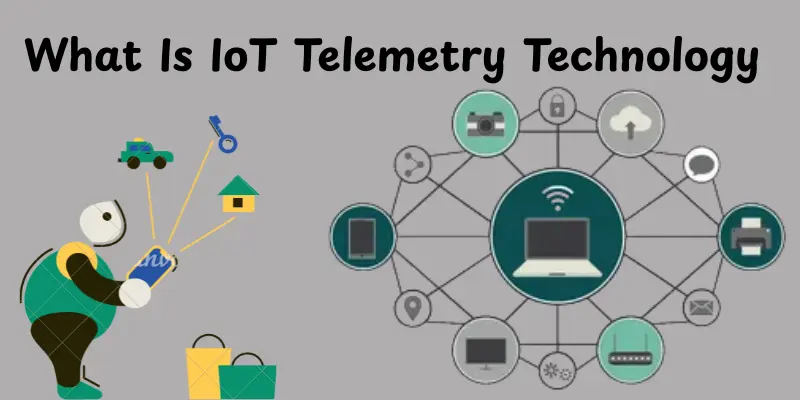
At its core, IoT Telemetry Technology is about devices gathering data, sending it through the internet, and providing meaningful insights. It makes everyday devices smarter by turning physical actions (like a light turning on or the temperature rising) into digital signals. These signals travel through the web and are displayed on devices, like your phone or computer, so that you can act on them.
What does IoT mean
IoT stands for the Internet of Things. It refers to everyday objects like refrigerators, cars, or fitness trackers that connect to the internet and share data. These devices can perform tasks on their own by communicating with other devices. For example, a smart thermostat senses the temperature in your home and adjusts it automatically.
What telemetry means
Telemetry is the process of sending data from one location to another over a distance. In IoT, telemetry enables devices to send their data to other devices or systems without human intervention. For example, a weather station sends temperature readings to a central system, just like a fitness tracker sends your step count to a mobile app.
Simple definition in easy words
In simple terms, IoT telemetry is the combination of IoT (devices connected to the internet) and telemetry (the transmission of data). Devices collect data, send it through the internet, and display the results for us to view. This technology allows everything to work together, from smart sensors in factories to health-monitoring devices on your wrist.
Why IoT Telemetry Is Important
Understanding IoT telemetry highlights its significance in making everyday tasks easier and more efficient. It’s the backbone of modern smart living, helping devices communicate and improving overall convenience.
Helps devices share data
Sharing data is crucial for intelligent systems to work. For instance, when a motion sensor detects movement, it can send an alert to your phone. This flow of data through machine-to-machine communication keeps systems synchronized and responsive.
Improves daily life
IoT telemetry improves our daily routines. Imagine your thermostat adjusting to your preferred temperature before you even walk in the door, or a bright light turning off when you leave the room. These little tasks, powered by real-time data tracking, simplify our lives.
Saves time and effort
By automating tasks, IoT systems eliminate the need for manual checks. For example, you don’t need to remember to adjust the heating system in your home. The innovative technology system does it for you, saving time and effort.
How IoT Telemetry Technology Works
To understand how IoT telemetry works, you need to know the basic steps: data collection, transmission, and display. Devices sense information, send it through the internet, and show it on apps or dashboards, giving us real-time insights.
Data collection by sensors
The first step is sensor data transmission. Devices are equipped with sensors that measure things like temperature, movement, or pressure. These sensors act like the eyes and ears of IoT systems, collecting real-world information.
Data transfer through the internet
Once data is collected, it’s sent over the internet. Wi-Fi or mobile data helps transmit this information quickly and securely. The flow of this wireless data transfer is essential for systems to stay connected and responsive.
Data display on apps or dashboards
Finally, the data is displayed on an app or dashboard. Whether it’s on your phone or a computer, you can view the data in charts, numbers, or real-time alerts. This is where data monitoring tools come in, making it easy for users to understand what’s happening.
Key Components of IoT Telemetry
The key components of IoT telemetry include sensors, networks, and cloud storage. Sensors collect real-world data like temperature, motion, or light. This data is then transmitted through networks, such as Wi-Fi or cellular connections, to be stored and processed. Cloud storage keeps this data safe and accessible for analysis, enabling devices and systems to make informed decisions and take actions in real-time.
Sensors and smart devices
Smart sensors gather real-time data. Whether it’s the temperature in your home or the motion detected by your security camera, sensors are the first step in the IoT telemetry process.
Internet connection
Once the data is collected, it needs to travel. A stable internet connection is essential for data transmission to ensure that everything stays updated and synchronized.
Data storage systems
The collected data needs to be stored for later use. Cloud-based monitoring systems securely store this data, making it easy to access and analyze when required.
Types of Data Used in IoT Telemetry
In IoT telemetry, various types of data are collected and transmitted to improve automation, efficiency, and decision-making. These data types help devices monitor real-time conditions and respond accordingly. Each type of data serves a specific purpose, from managing home environments to monitoring health and industrial systems.
Temperature and motion data
In smart homes, motion sensors and temperature sensors track movement and environmental changes. For example, a thermostat monitors the room’s temperature, while motion sensors help activate security systems.
Location and speed data
In industries and transport, location and speed data are critical. Tracking vehicles, for instance, helps optimize delivery routes and improve logistics.
Health and usage data
Wearables like fitness trackers monitor health data, such as steps and heart rate. This data can be sent to doctors, enabling remote health monitoring and care.
Common Uses of IoT Telemetry
IoT telemetry has found applications in many areas, making life more convenient and efficient. Here’s a look at how IoT telemetry is used in different fields.
Smart homes
Smart homes use IoT telemetry to automate everyday tasks. Lights, thermostats, and locks can be controlled remotely, offering convenience and energy efficiency.
Healthcare systems
In healthcare, IoT telemetry is used to monitor patients remotely. Devices can track vital signs and send them to doctors, ensuring better care without requiring constant visits.
Industrial monitoring
In industries, IoT systems monitor machinery performance. Device performance monitoring helps prevent breakdowns and downtime, ensuring smooth operation.
Benefits of IoT Telemetry Technology
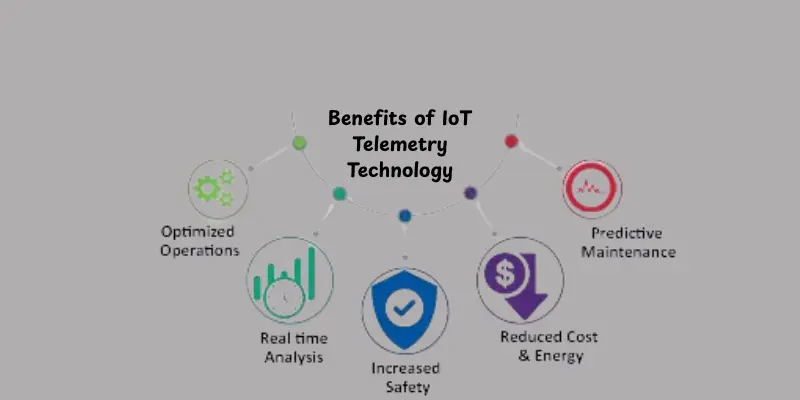
There are many reasons why IoT telemetry has become so popular. The technology offers numerous benefits, from real-time monitoring to cost savings.
Real-time monitoring
With real-time monitoring using IoT, users can track systems and devices at any moment. Instant alerts keep everyone informed, allowing for quicker responses to potential issues.
Better decision-making
With accurate, real-time data, decisions become more informed. Whether in healthcare or business, IoT telemetry technology helps people make better, data-driven choices.
Cost and energy savings
Intelligent systems help save energy and reduce costs. Automated features, like smart thermostats, cut down on unnecessary energy consumption, which leads to lower bills.
Challenges in IoT Telemetry
While IoT telemetry offers many advantages, it also comes with some challenges that need attention.
Data security risks
IoT data can be vulnerable to hacking and theft. Strong encryption and regular security updates are crucial to protect sensitive information.
Internet dependency
Without a stable internet connection, IoT telemetry can’t function properly. Systems depend on the internet to send and receive data, so that any connectivity issues can disrupt service.
Device maintenance issues
Regular maintenance and updates are required to ensure devices work correctly. Device performance monitoring helps keep track of any potential issues before they become significant problems.
Future of IoT Telemetry Technology
Looking ahead, IoT telemetry is set to grow even more powerful. The future promises more intelligent devices and more advanced data handling.
Growth of smart devices
As more devices connect to the internet, the amount of data shared will continue to grow. This will lead to more opportunities for automation and more intelligent systems.
Improved automation
The future of IoT telemetry technology includes more automation. Intelligent systems will take care of more tasks independently, reducing the need for human input.
Better data accuracy
With advancements in sensor technology, the accuracy of data will improve. Smart sensors will become more precise, leading to better insights and decisions.
Tips for Beginners Learning IoT Telemetry
If you’re new to IoT telemetry, here’s how you can start learning and experimenting with this technology.
Start with basic concepts.
Understand the basics of sensor data transmission and how data is collected and transmitted.
Learn through a real example
Explore real-world examples of IoT telemetry, like fitness trackers or smart thermostats. These examples help simplify complex concepts.
Focus on simple projects.
Start with small, hands-on projects. For instance, try building a simple temperature sensor project to get a feel for the technology.
Frequently Asked Questions about IoT Telemetry Technology
Here are some common questions people ask about IoT telemetry technology and their brief answers.
IoT telemetry is the technology that enables devices to collect, transmit, and display data remotely.
It uses sensors to gather data, sends it via networks, and displays it on apps or dashboards.
It uses sensors to gather data, sends it via networks, and displays it on apps or dashboards.
Common data types include temperature, location, and health metrics.
It allows real-time monitoring, improves automation, and enhances decision-making.
The key components include sensors, internet connections, and cloud storage systems.
It’s used in smart homes, healthcare, industrial monitoring, and more.
Challenges include data security, internet dependency, and device maintenance issues.
Conclusion
IoT telemetry technology is revolutionizing the way devices communicate and operate in real time. By enabling data collection, transmission, and analysis, it plays a key role in making systems more innovative, more efficient, and more responsive. From smart homes to healthcare and industrial applications, IoT telemetry enhances convenience, saves time, and improves decision-making. As this technology continues to evolve, its impact on everyday life will only grow, offering new opportunities for automation and innovation.





- Be Respectful
- Stay Relevant
- Stay Positive
- True Feedback
- Encourage Discussion
- Avoid Spamming
- No Fake News
- Don't Copy-Paste
- No Personal Attacks
- Be Respectful
- Stay Relevant
- Stay Positive
- True Feedback
- Encourage Discussion
- Avoid Spamming
- No Fake News
- Don't Copy-Paste
- No Personal Attacks
