Advanced Web Ranking Tips to Improve Your Site’s Visibility
Published: 3 Feb 2026
Improving your website’s visibility is crucial for attracting more traffic and standing out in search engine results. Advanced web ranking techniques go beyond basic SEO practices, focusing on strategic methods that can significantly boost your site’s position. By mastering these tips, you’ll not only enhance your website’s authority but also ensure it ranks higher for relevant search queries. Whether it’s optimizing content, building quality backlinks, or improving user experience, these advanced strategies are essential for anyone looking to drive more organic traffic and achieve long-term SEO success.
What is Web Ranking and Why Does It Matter?
Web ranking refers to the position a website holds on a search engine results page (SERP). When someone types a query into a search engine like Google, the results are ranked based on relevance, quality, and authority. Websites that appear higher on the page are more likely to be visited by users.
Why Does Web Ranking Matter?
- Increased Visibility: Higher rankings mean more people can find your website. The top results on a search engine receive the most traffic, making web ranking crucial for online visibility.
- Higher Traffic: As your website ranks higher, more users click on your link. This leads to more visitors, which can translate into higher sales or engagement for your business.
- Credibility and Trust: People tend to trust websites that appear at the top of search results. Being ranked higher gives your site credibility and suggests that it’s a reliable source of information.
- Better User Experience: Websites that rank higher often provide a better user experience, whether it’s in terms of faster loading times, mobile-friendliness, or high-quality content. Search engines value these factors and reward well-designed websites with better rankings.
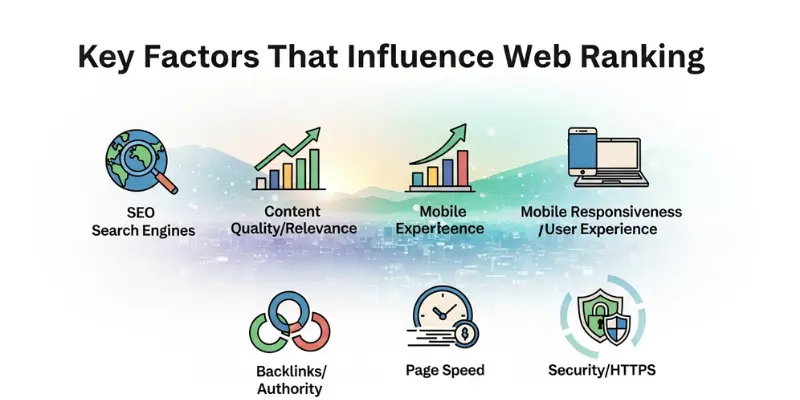
Key Factors That Influence Web Ranking
Several factors play a crucial role in determining where your website ranks on search engines. Understanding these factors can help you improve your website’s position. Here are the key ones:
Content Quality
- Search engines prioritize high-quality, relevant content. Websites that offer valuable, well-researched, and engaging content tend to rank higher. Content should answer users’ questions and meet their search intent.
Backlinks (Link Building)
- Backlinks are links from other websites to yours. High-quality backlinks from authoritative sites signal to search engines that your content is trustworthy and valuable. The more quality backlinks you have, the higher your ranking.
User Experience (UX)
- A website’s user experience is crucial. Search engines consider factors like website speed, mobile-friendliness, and easy navigation. A smooth, fast, and enjoyable experience keeps users on your site longer, which boosts your ranking.
Mobile Optimization
- With the rise of mobile internet use, search engines now prioritize mobile-friendly websites. If your website isn’t optimized for mobile devices, it may rank lower on mobile searches.
Page Load Speed
- Fast-loading pages improve user experience and are favored by search engines. If your pages take too long to load, users are likely to leave, which can harm your ranking.
Keyword Usage
- Proper use of relevant keywords in titles, headers, and content helps search engines understand the topic of your page. However, avoid keyword stuffing—use keywords naturally.
Technical SEO
- Technical SEO includes optimizing your site’s backend, such as improving site structure, using SSL certificates (for secure browsing), and ensuring search engines can easily crawl and index your pages.
Social Signals
- While social media doesn’t directly affect rankings, a strong social media presence can drive traffic to your website. More social engagement can lead to more visibility and indirectly improve your ranking.
Advanced On-Page SEO Techniques for Better Rankings
On-page SEO refers to the strategies you implement directly on your website to improve its ranking on search engines. These techniques focus on content and structure to make your website more search engine-friendly. Here are some advanced on-page SEO techniques to help boost your rankings:
- Optimize Title Tags and Meta Descriptions
- Use Header Tags Strategically (H1, H2, H3)
- Create High-Quality, Long-Form Content
- Optimize for User Intent
- Use Internal Linking Effectively
- Optimize Image Alt Text
- Improve URL Structure
- Ensure Mobile-Friendliness
- Use Schema Markup (Structured Data)
- Improve Page Load Speed
Off-Page SEO Strategies to Boost Your Web Ranking
Off-page SEO refers to all the activities you do outside of your website to improve its ranking on search engines. These strategies help to build your site’s authority, trust, and visibility. Here are some effective off-page SEO strategies to boost your web ranking:
Backlink Building
- Quality Backlinks: The more high-quality backlinks (links from other websites to yours) you have, the more authoritative your website appears to search engines. Focus on getting backlinks from reputable, relevant websites.
- Guest Posting: Write guest articles for blogs or websites in your niche. In return, you can include backlinks to your site in the content or author bio.
- Broken Link Building: Find broken links on other websites, and suggest your content as a replacement. This is a great way to get backlinks while helping other website owners fix issues.
Social Media Engagement
- Sharing Content: Share your website’s content on platforms like Facebook, Twitter, Instagram, and LinkedIn. Social signals like likes, shares, and comments may not directly impact rankings, but they can drive traffic and increase visibility.
- Building a Community: Actively engage with followers by responding to comments, sharing useful content, and building relationships. The more active your profile, the more likely people are to visit your website.
Influencer Outreach
- Collaborating with Influencers: Reach out to influencers in your industry to promote your content. They can help amplify your content’s reach, generate more backlinks, and boost your credibility.
- Product Reviews: Send your product or service to influencers in exchange for an honest review. When influencers link to your site, it counts as a valuable backlink.
Social Bookmarking
- Submit Your Content: Share your best content on social bookmarking sites like Reddit, Digg, and StumbleUpon. These platforms can help drive traffic and expose your website to a broader audience.
- Use Niche Communities: Participate in forums or niche groups relevant to your industry. Websites like Quora or specialized forums allow you to share links in a way that provides value and directs traffic back to your site.
Content Marketing Outside Your Website
- Infographics: Create shareable infographics with valuable data, and share them on other platforms. Infographics often attract backlinks and social shares.
- Video Marketing: Use platforms like YouTube to publish videos related to your content. Include links to your website in the video description to drive traffic and improve your site’s visibility.
How Technical SEO Can Improve Your Website’s Ranking
Technical SEO focuses on optimizing the technical aspects of your website to help search engines crawl, index, and rank your site more effectively. While on-page and off-page SEO are essential, technical SEO ensures your website is structured in a way that search engines can easily understand and rank. Here’s how technical SEO can boost your web ranking:
- Improve Site Speed
- Mobile Optimization
- Secure Your Website with HTTPS
- Fix Crawl Errors
- Create and Submit a Sitemap
- Use Structured Data (Schema Markup)
- Improve URL Structure
- Optimize for Crawl Budget
- Fix Duplicate Content Issues
- Optimize Your Website’s Internal Linking
Top SEO Tools for Tracking Web Ranking Progress
Tracking your website’s ranking is key to improving it. The right tools help you see what’s working and what needs fixing. Here are simple, easy-to-use tools that help you monitor web ranking progress.
- Google Search Console
- Google Analytics
- Ahrefs
- SEMrush
- Moz Pro
- Ubersuggest
- SERPWatcher
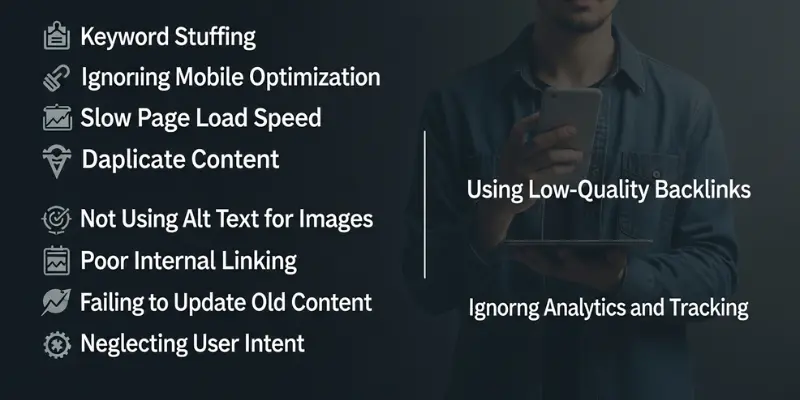
Common Mistakes That Hurt Your Web Ranking
When trying to improve your web ranking, avoiding common mistakes is just as important as using the right strategies. Here are some mistakes that can hurt your ranking and how to avoid them:
- Keyword Stuffing
- Ignoring Mobile Optimization
- Slow Page Load Speed
- Duplicate Content
- Not Using Alt Text for Images
- Poor Internal Linking
- Using Low-Quality Backlinks
- Failing to Update Old Content
- Neglecting User Intent
- Ignoring Analytics and Tracking
Actionable Tips to Improve Your Website’s Ranking
To improve your website’s ranking, focus on creating high-quality, valuable content with relevant keywords. Ensure your site is mobile-friendly, fast-loading, and easy to navigate. Build quality backlinks and use long-tail keywords to reduce competition. Optimize internal linking and meta tags to enhance user experience. Regularly update content and optimize images for better speed. For local businesses, focus on local SEO and claim your Google My Business listing. Track progress using tools like Google Analytics to refine your strategies. Consistency in these efforts will boost your rankings over time.
How to Analyze Competitors for Better SEO Insights
Analyzing your competitors is a powerful way to improve your SEO strategy. By understanding what your competitors are doing well and where they’re lacking, you can find opportunities to rank higher. Here’s how to analyze competitors for better SEO insights:
Identify Your Competitors
- Tip: Find websites that target similar keywords and audiences. These can be direct competitors (similar business or products) or indirect ones (offering related content).
- How to Do It: Use tools like Google search, SEMrush, or Ahrefs to identify competitors’ ranking for your target keywords.
Analyze Competitor Keywords
- Tip: Check which keywords your competitors rank for, especially those that bring them the most traffic.
- How to Do It: Use tools like Ahrefs, SEMrush, or Moz to see what keywords your competitors are targeting. Focus on keywords that you can target with better content or improved SEO.
Examine Content Quality
- Tip: Review the type of content your competitors produce and how they present it.
- How to Do It: Look at the structure, length, and engagement of their content. Identify opportunities to create more valuable or comprehensive content. For example, if a competitor’s blog post is 1,000 words, aim for 1,500 words with better insights.
Check Backlink Profiles
- Tip: Backlinks from high-authority sites can boost SEO. Analyze where your competitors are getting their backlinks.
- How to Do It: Use Ahrefs or SEMrush to explore your competitors’ backlink profiles. Find authoritative sites linking to them and look for opportunities to gain similar backlinks.
Analyze Website Structure and UX
- Tip: A well-structured, user-friendly website can help with SEO. See how competitors organize their sites for a better user experience.
- How to Do It: Check their site’s navigation, load speed, and mobile-friendliness. Use tools like Google PageSpeed Insights and Mobile-Friendly Test to analyze their technical SEO.
Review Social Media Activity
- Tip: Social signals can indirectly affect SEO. Look at how your competitors engage with their audience on social media.
- How to Do It: Analyze their frequency of posts, type of content shared, and user engagement. You can use tools like BuzzSumo or Social Blade to track their social media presence and strategies.
Look at Competitor Rankings
- Tip: Regularly check where your competitors rank for important keywords.
- How to Do It: Use tools like SEMrush or Ahrefs to track the keyword rankings of your competitors. Compare their rankings to yours and look for gaps where you can improve.
Final Thoughts: Mastering Advanced Web Ranking Techniques
Mastering advanced web ranking techniques is essential for standing out in a competitive digital world. By focusing on high-quality content, strategic SEO practices, and a user-friendly website, you can significantly improve your website’s visibility. Implementing advanced on-page SEO, building quality backlinks, and paying attention to technical SEO are all vital components of a successful SEO strategy.
Don’t forget the importance of ongoing monitoring and competitor analysis. Regularly reviewing your progress, staying up-to-date with industry changes, and refining your strategies will help you maintain and improve your rankings.
SEO isn’t a one-time effort—it’s an ongoing process. By combining these advanced techniques with consistent effort, you can achieve long-term SEO success and drive more organic traffic to your site. Keep learning, stay patient, and your website’s ranking will improve over time.
Frequently Asked Questions About Advanced Web Ranking
Here are some common questions related to advanced web ranking and how it can improve your website’s visibility on search engines:
Advanced web ranking refers to using advanced SEO techniques and strategies to improve a website’s position on search engine results pages (SERPs). This includes optimizing content, improving site structure, building quality backlinks, and enhancing technical SEO.
Advanced web ranking is important because it helps your website gain more visibility, attract organic traffic, and compete better against other sites in your industry. Higher rankings lead to more clicks, higher trust, and better user engagement.
You can improve your web ranking by focusing on high-quality content, optimizing for user experience, building quality backlinks, and ensuring your website is technically optimized for search engines. Consistently updating content and monitoring SEO performance is also key.
Yes, longer content often ranks better because it provides more detailed and comprehensive information. However, quality matters more than quantity. Ensure your content is valuable and relevant to your audience, not just long for the sake of it.
Backlinks are extremely important for web ranking. High-quality backlinks from reputable websites signal to search engines that your content is trustworthy and authoritative. A strong backlink profile can significantly improve your website’s ranking.
Yes, advanced web ranking techniques are also beneficial for local SEO. Optimizing your site for local searches, claiming and optimizing your Google My Business profile, and building local backlinks are all key strategies for improving local web ranking.
You can track your web ranking progress using tools like Google Search Console, Ahrefs, SEMrush, or Moz. These tools provide valuable insights into your keyword rankings, backlinks, traffic, and overall site health, helping you track improvements over time.
Conclusion
Mastering advanced web ranking techniques is essential for anyone looking to boost their website’s visibility and drive more organic traffic. By focusing on high-quality content, effective backlink strategies, technical optimization, and user experience, you can improve your site’s position in search engine results. Consistency and ongoing monitoring are key to achieving long-term success in SEO. Keep refining your strategies, stay updated with industry changes, and apply the insights from your competitors to stay ahead. With dedication and the right techniques, your website can reach higher rankings, attract more visitors, and achieve greater online success.






- Be Respectful
- Stay Relevant
- Stay Positive
- True Feedback
- Encourage Discussion
- Avoid Spamming
- No Fake News
- Don't Copy-Paste
- No Personal Attacks
- Be Respectful
- Stay Relevant
- Stay Positive
- True Feedback
- Encourage Discussion
- Avoid Spamming
- No Fake News
- Don't Copy-Paste
- No Personal Attacks
