OpenFuture World Revolutionizing Open Banking & Finance
Published: 14 Mar 2026
OpenFuture World is at the forefront of a transformative shift in the financial industry, driven by the principles of open banking and open finance. This innovative platform is reshaping how financial data is shared, empowering consumers and businesses to access more personalized, transparent, and secure financial services. By embracing cutting-edge technologies like APIs, blockchain, and AI, OpenFuture World is not only enhancing financial inclusion but also fostering collaboration between banks, fintech companies, and consumers. In this post, we’ll explore how OpenFuture World is revolutionizing the financial ecosystem and what this means for the future of finance.
What Is OpenFuture World and How It’s Shaping the Future of Finance
OpenFuture World is a global initiative that advocates for open banking and open finance through secure, transparent, and collaborative data sharing. At its core, OpenFuture World seeks to make financial systems more accessible and user-friendly by leveraging the power of technology to connect users, banks, fintech companies, and service providers.
Key Features of OpenFuture World:
- Data Sharing: OpenFuture World encourages the sharing of financial data between banks and third-party apps through APIs (Application Programming Interfaces). This enables a range of new financial tools and services that benefit consumers and businesses alike.
- Financial Inclusivity: By democratizing access to financial data, OpenFuture World aims to bring previously underserved populations into the digital economy, providing them with better access to financial services.
- Collaboration: The platform fosters collaboration between various stakeholders in the financial ecosystem, including traditional banks, fintech innovators, regulators, and consumers.
In essence, OpenFuture World envisions a future where financial services are more transparent, inclusive, and user-centered, offering consumers the tools and control they need to manage their finances effectively.
The Evolution of Open Banking and Its Impact on Consumers
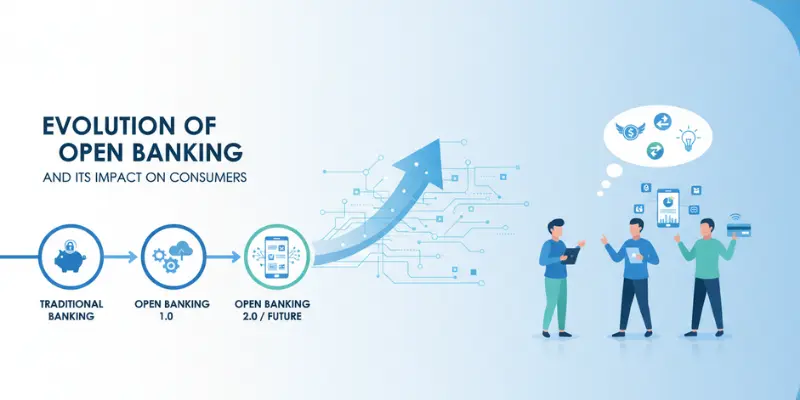
Open banking has been a revolutionary concept in the financial industry, allowing consumers to access their financial data and share it securely with third-party service providers. By offering API-based access to banking data, consumers are now able to use a variety of innovative financial services that were previously unavailable to them.
Key Benefits for Consumers:
- Greater Control Over Data: With open banking, consumers now have control over their financial data. They can easily grant access to third-party apps, which can help them better manage their finances, track spending, and even apply for loans.
- Enhanced Financial Tools: Open banking provides access to a wide range of financial tools such as budgeting apps, investment trackers, and financial planning tools. These tools are powered by the data consumers already have in their bank accounts, making them more personalized and effective.
- Lower Costs and Better Products: As more fintech companies enter the market and use open banking, competition increases. This leads to lower fees and better-quality financial products, including loans, insurance, and credit cards.
Consumers stand to benefit greatly from open banking because it opens up a world of new opportunities for personal finance management, giving them access to better services at lower costs.
Why Open Finance is the Key to a More Inclusive Financial System
While open banking focuses on banking data, open finance goes beyond this to encompass a wide variety of financial products, including insurance, pensions, investments, and loans. By making all of this data accessible through secure APIs, open finance aims to build a truly inclusive financial system that serves everyone, regardless of their income level or geographic location.
Benefits of Open Finance:
- Increased Accessibility to Financial Products: Open finance allows individuals to access a wider variety of financial products. This is especially important for those in underserved areas who previously had limited access to services like insurance or investment opportunities.
- More Comprehensive Financial Insights: By allowing consumers to see all their financial data in one place-bank accounts, pensions, investments, etc.-open finance provides a holistic view of their financial health. This enables better decision-making and more personalized financial solutions.
- Reduced Barriers for New Entrants: Open finance removes the barriers for fintech startups to enter the financial services market. With access to open financial data, these startups can create innovative products that cater to specific customer needs, thereby increasing competition and improving services for consumers.
In essence, open finance takes the concept of open banking a step further by providing a complete view of an individual’s financial life and increasing access to a broad range of financial products.
How OpenFuture World Is Revolutionizing Data Sharing and Privacy
One of the core principles of OpenFuture World is the secure sharing of financial data. By adopting advanced technologies such as blockchain, encryption, and tokenization, OpenFuture World ensures that all user data is shared securely while maintaining privacy.
Key Security Features:
- End-to-End Encryption: OpenFuture World uses state-of-the-art encryption techniques to ensure that any data exchanged between banks and third-party services remains secure.
- User Consent: OpenFuture World emphasizes the importance of user consent in data-sharing practices. Users have complete control over who can access their financial data and for what purposes, making it a privacy-first platform.
- Blockchain for Privacy: OpenFuture World utilizes blockchain technology to record transactions securely and transparently. This ensures that user data remains tamper-proof and that all transactions are verifiable.
By prioritizing security and transparency, OpenFuture World helps build trust with users, ensuring that they can confidently share their financial data with third-party services.
The Top Global Trends in Open Banking and Finance You Need to Know
The open banking and open finance movement is not just a passing trend but a significant shift in how financial systems operate globally. Several factors are contributing to the widespread adoption of open banking and finance, including increased regulation, technological advancements, and changing consumer expectations.
Key Trends:
- Regulatory Developments: Globally, governments are enacting regulations to ensure transparency and security in financial services. For example, the European Union’s PSD2 regulation requires banks to provide secure access to account information for authorized third parties.
- Adoption of AI and Automation: As open banking grows, more financial services are incorporating artificial intelligence (AI) to automate decision-making and provide personalized services. This trend will continue to shape the financial landscape in the coming years.
- Rise of Digital Wallets and Cryptocurrencies: With the growth of open finance, digital wallets and cryptocurrencies are becoming more integrated into traditional banking services. This trend is expected to grow as consumers demand more flexible payment options.
Staying ahead of these trends is crucial for businesses and consumers alike, as they help shape the future of finance.
Real-World Applications: How Open Banking Benefits Businesses and Users
Open banking has clear benefits for both businesses and users. It enables businesses to create innovative financial products and services, while users gain access to more personalized and competitive options.
How Businesses Benefit:
- Easier Integration of Financial Services: Businesses can seamlessly integrate financial services into their platforms using APIs provided by open banking. This allows them to offer new services, such as payments, loans, and insurance, without having to build everything from scratch.
- Better Risk Management: With access to real-time financial data, businesses can make more informed decisions, assess risk more accurately, and offer better lending products.
- Improved Customer Insights: Open banking provides businesses with detailed financial data that can be used to personalize offerings and improve the customer experience.
How Users Benefit:
- Better Financial Products: Open banking allows consumers to access a wider range of products from different providers, helping them find the best deals and products suited to their needs.
- Lower Fees: With increased competition in the financial services market, users benefit from lower fees for products like loans, credit cards, and insurance.
- Simplified Financial Management: Open banking allows users to consolidate their financial accounts into a single platform, making it easier to manage their money and track their financial health.
Security and Transparency in Open Banking: What You Should Know
As financial data is shared more widely through open banking, security and transparency have become major concerns. OpenFuture World addresses these concerns by ensuring that all data exchanges are secure and that consumers are fully informed about how their data is being used.
Key Security Features:
- Data Encryption: All data shared via open banking APIs is encrypted, ensuring that it remains private and secure.
- User Control: Consumers have complete control over who can access their data, ensuring transparency in all data-sharing practices.
- Audit Trails: OpenFuture World maintains an audit trail of all data exchanges, making it easy for users to track who has accessed their data and for what purposes.
By prioritizing security and transparency, OpenFuture World builds trust with consumers, which is essential for the widespread adoption of open banking.
The Role of OpenFuture World in Advancing Global Financial Innovation
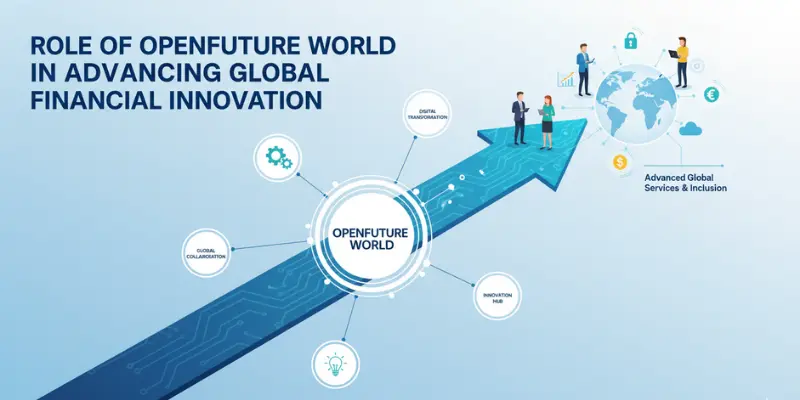
OpenFuture World is at the forefront of financial innovation. By supporting collaboration between banks, fintech firms, and consumers, OpenFuture World is helping to create new financial products, improve financial inclusion, and advance global digital finance.
Innovation Drivers:
- Collaboration with Fintech Firms: OpenFuture World partners with fintech companies to create innovative solutions that improve access to financial services.
- Global Events and Conferences: The platform hosts events and conferences that bring together industry leaders to discuss the future of open banking and finance.
- Supporting Startups: OpenFuture World helps startups access the resources they need to build cutting-edge financial products that meet the needs of modern consumers.
Through its focus on collaboration and innovation, OpenFuture World is driving the future of global finance.
Challenges Facing Open Finance: Risks and Solutions
While open finance offers many benefits, there are also several challenges that need to be addressed. These include data security concerns, user adoption issues, and regulatory hurdles.
Key Challenges:
- Privacy Concerns: As more financial data is shared, users may be concerned about how their personal information is being used. OpenFuture World addresses this by using encryption and user consent protocols.
- Adoption Rates: While open banking has gained significant traction, some consumers and businesses are still hesitant to adopt new technologies. Education and awareness campaigns can help overcome this barrier.
- Regulatory Compliance: Different countries have varying regulations regarding data-sharing and privacy. OpenFuture World must navigate these complexities to ensure compliance and smooth operations.
Despite these challenges, solutions such as stronger regulations, enhanced security protocols, and consumer education can help ensure the success of open finance.
The Future of Open Finance: Predictions and What’s Next for OpenFuture World
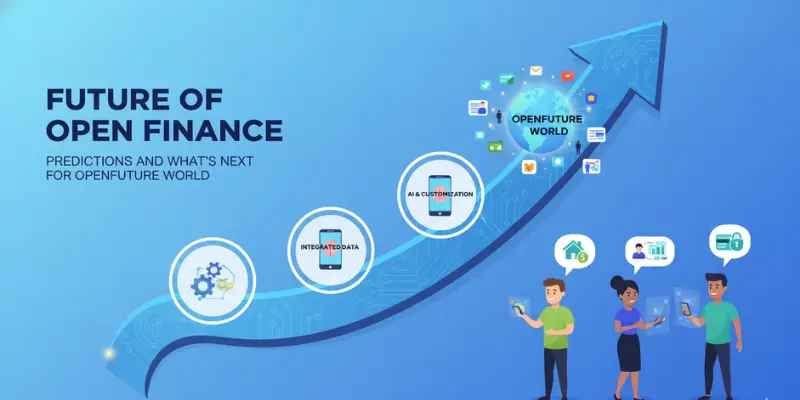
The future of open finance looks bright, with widespread adoption of open banking principles and the development of more personalized, AI-driven financial products. As technology continues to evolve, OpenFuture World will continue to play a key role in shaping the future of global finance.
What to Expect:
- Global Expansion: Open banking and open finance are likely to expand across more regions, providing increased access to financial services.
- AI and Automation: The use of AI to personalize financial services will continue to grow, making financial products smarter and more responsive to individual needs.
- Greater Financial Inclusion: Open finance will help bring millions of underserved individuals into the financial system, improving access to services and promoting economic growth.
The next few years will see continued innovation in open finance, making it more inclusive, efficient, and personalized than ever before.
Frequently Asked Questions About OpenFuture World
If you’re curious about how OpenFuture World is transforming the financial landscape, here are answers to some of the most common questions to help you understand its impact.
OpenFuture World is a platform that promotes open banking and open finance, enabling secure and transparent data sharing between financial institutions and third-party services.
It connects consumers, banks, and fintech companies by providing API-based access to financial data, enabling the creation of innovative financial products and services.
Consumers gain better control over their financial data, access to a wide range of personalized financial tools, and the ability to find better deals with lower fees.
Open banking allows banks to share customer data with third-party providers through APIs, enabling consumers to access new financial services and products.
Open finance extends open banking to include other financial services such as insurance, pensions, and investments, creating a broader ecosystem for financial products.
OpenFuture World uses end-to-end encryption, blockchain technology, and strict user consent protocols to ensure the security and privacy of all data shared on the platform.
Artificial Intelligence (AI) helps personalize financial services by analyzing data and providing tailored recommendations for consumers, improving their financial management.
Conclusion
OpenFuture World is leading the charge in revolutionizing the financial sector by advocating for openness, transparency, and collaboration. With its focus on open banking and open finance, the platform is empowering consumers and businesses alike to make better financial decisions. As technology continues to evolve, OpenFuture World will play a central role in ensuring that financial services are more accessible, secure, and inclusive for everyone.






- Be Respectful
- Stay Relevant
- Stay Positive
- True Feedback
- Encourage Discussion
- Avoid Spamming
- No Fake News
- Don't Copy-Paste
- No Personal Attacks
- Be Respectful
- Stay Relevant
- Stay Positive
- True Feedback
- Encourage Discussion
- Avoid Spamming
- No Fake News
- Don't Copy-Paste
- No Personal Attacks
