The Future of Telemetry in Nuclear Power Technology
Published: 14 Jan 2026
Telemetry in nuclear power plays a crucial role in ensuring the safe and efficient operation of nuclear plants. It refers to the process of collecting and transmitting real-time data from various sensors located within the plant. This data helps monitor critical parameters such as temperature, pressure, and radiation levels, providing operators with valuable insights into plant performance. By allowing for remote monitoring, telemetry reduces the need for manual checks, making it faster to detect any abnormalities.
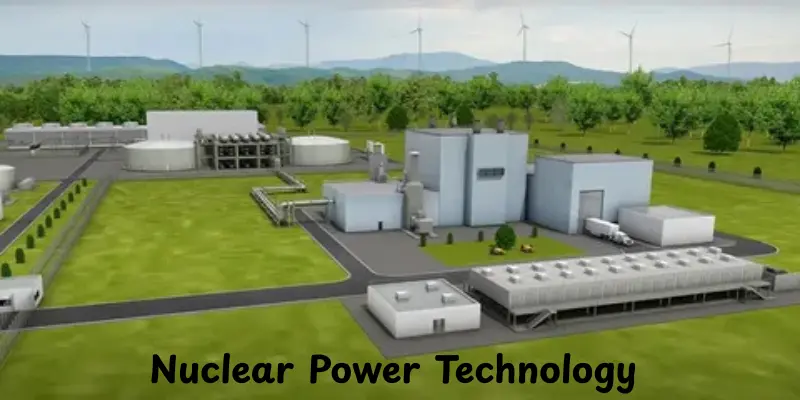
Additionally, it supports predictive maintenance, minimizing the risk of equipment failure. With advancements in data transmission and sensor technology, telemetry is becoming increasingly reliable, making it an indispensable tool for ensuring safety and efficiency in nuclear energy production.
What is Telemetry in Nuclear Power?
Telemetry in nuclear power is a system that helps monitor and send important information from a nuclear plant to control rooms. It uses special sensors placed around the plant to check things like temperature, pressure, and radiation. This data helps workers understand how the plant is operating and identify any issues. By using telemetry, plant operators can catch problems early, making sure everything runs safely. It’s like having a smart alarm system that keeps track of the plant’s health, ensuring it works properly without surprises.

Why Telemetry is Crucial for Nuclear Power Plants
Telemetry is very important for nuclear power plants because it helps keep everything safe and running smoothly. It tracks key things like temperature, pressure, and radiation to make sure the plant isn’t overheating or having problems. If something goes wrong, telemetry can alert workers right away, allowing them to fix issues before they become serious. This makes the plant safer and helps it work more efficiently, saving energy and preventing accidents. By using telemetry, plants can stay in control and avoid dangerous situations, ensuring power is produced safely.
Core Components of Telemetry in Nuclear Power
Telemetry in nuclear power relies on a few key parts to work properly. First, some sensors measure important things like temperature, pressure, and radiation. These sensors send data to a control room, where workers can see the information in real-time. The data is then transmitted using special systems to ensure it’s accurate and quick. Together, these parts help keep the plant safe and running smoothly.
Sensors and Data Collection
Types of Sensors: Sensors in nuclear power plants measure temperature, pressure, and radiation to ensure everything runs safely. They send real-time data to control monitoring rooms.
Example: A temperature sensor inside a reactor checks the heat. If it gets too high, the sensor alerts workers to take action and prevent danger.
Data Transmission
How Data is Sent: The data collected by sensors is sent through cables or wireless systems to control rooms or monitoring systems. These systems quickly display the data so workers can keep an eye on the plant’s performance in real-time.
Tip: Wireless technology makes data transmission faster and more reliable. It reduces the need for physical wiring, allowing for quicker communication and fewer chances of connection issues, ensuring smooth operation.
Control Systems and User Interfaces
How Telemetry Data is Used: Telemetry data is displayed on screens in the control room, where operators can monitor the plant’s performance. The data shows important information like temperature, pressure, and radiation levels, allowing operators to make quick decisions and keep everything running smoothly.
Example: In a control room, a simple interface might show live data feeds from the plant, like a graph of the reactor’s temperature, with color-coded alerts if the temperature rises too high. This helps operators take immediate action if needed.
How Telemetry Enhances Safety in Nuclear Power Plants
Telemetry helps keep nuclear power plants safe by constantly checking important things like temperature, pressure, and radiation. It sends real-time data to the control room, so operators can monitor the plant and act quickly if something goes wrong. By using telemetry, workers can catch problems early, before they become serious, making the plant safer for everyone.
Real-Time Monitoring for Plant Performance
How Continuous Data Helps Operators: Telemetry data provides operators with continuous, real-time information about plant conditions, such as temperature, pressure, and radiation. This allows them to quickly spot any changes that could indicate potential problems and take action to keep the plant running safely.
Example: If a reactor’s temperature starts to rise above normal levels, telemetry can detect this change and alert operators immediately, allowing them to adjust cooling systems before it becomes a major issue.
Early Warning Systems
How Telemetry Triggers Alarms: Telemetry systems are designed to trigger alarms and alerts when they detect unusual data. For example, if pressure or radiation levels go beyond safe limits, an alert is sent to operators for immediate attention.
Tip: Early warnings from telemetry help prevent major malfunctions or accidents by allowing operators to address problems before they escalate, keeping both workers and the environment safe.
Automated Control and Decision-Making
Role of Telemetry in Automatic Adjustments: Telemetry plays a key role in automating the control of nuclear power plants. It constantly monitors data such as temperature, pressure, and radiation levels. If the data shows something unusual, telemetry can trigger automatic adjustments, such as turning on cooling systems or even shutting down parts of the plant to prevent damage or accidents.
Example: If a reactor’s temperature rises too high, telemetry can automatically activate cooling systems without any human input. This helps prevent the reactor from overheating and ensures the plant operates safely without delays.
Telemetry for Maintenance and Diagnostics
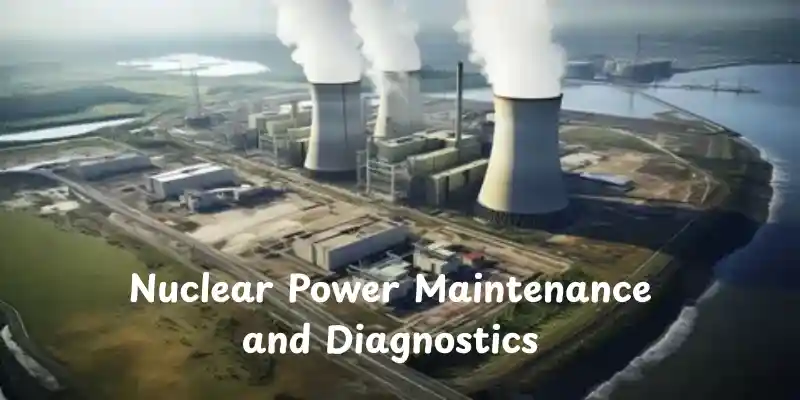
Telemetry helps nuclear power plants stay in good working condition by monitoring equipment like pumps, reactors, and pipes. It collects data that helps workers know when something might need fixing before it breaks. By catching problems early, telemetry makes sure everything runs smoothly and safely, reducing the chance of unexpected shutdowns or accidents.
Predictive Maintenance
How Telemetry Helps Predict Failures: Telemetry plays a big role in predictive maintenance by collecting data from sensors that monitor the condition of equipment like pumps and motors. By analyzing this data, telemetry can help predict when a part might fail, allowing workers to fix it before it breaks down.
Example: For instance, vibration sensors on a pump can detect unusual vibrations. If these vibrations become too strong, it signals that something may be wrong, such as wear or damage. This early warning gives workers time to repair the pump, preventing it from failing unexpectedly.
Fault Detection
How Telemetry Identifies Faults: Telemetry helps identify faults or irregularities in plant equipment by continuously monitoring data from sensors on systems like reactors, pumps, and valves. If the data shows something out of the ordinary—such as a drop in pressure or an increase in temperature—telemetry can immediately alert operators to potential problems.
Tip: Regular diagnostics using telemetry help reduce unplanned downtime by spotting issues early. For example, checking vibration or temperature sensors regularly ensures any small problem is caught before it causes a big breakdown, keeping the plant running smoothly.
Challenges in Telemetry for Nuclear Power
Telemetry helps monitor nuclear power plants, but there are some challenges. For example, data security can be a concern because the information from sensors needs to be protected from hackers. Another challenge is managing the large amounts of data coming from reactors and other equipment. Finally, ensuring sensor accuracy is important since even small errors can lead to problems. These challenges need to be solved to keep telemetry reliable and effective in nuclear plants.
Data Overload
Issues with Managing Large Amounts of Data: Nuclear power plants gather huge amounts of telemetry data from sensors that track things like temperature, pressure, and radiation. Managing and analyzing all this data can be challenging because it’s a lot to process in real-time. If the data isn’t organized properly, important information might be missed, which could affect plant safety.
FAQ: “How do plants manage huge volumes of telemetry data?”: Plants use advanced data management systems and software to help organize and analyze the data quickly. These systems can filter out unnecessary information, allowing operators to focus on the most critical data, ensuring that the plant runs safely and efficiently.
Cybersecurity Concerns
Risks and Protection Measures: Nuclear power plants rely on telemetry systems to send sensitive data about reactors, sensors, and equipment. This data can be at risk from cyberattacks or unauthorized access. If hackers gain control, they could cause dangerous situations or disrupt plant operations. To protect against these risks, plants use strong firewalls, encryption, and secure networks to keep data safe.
Tip: Nuclear plants need to conduct regular security audits and update their systems frequently. Strong encryption ensures that even if data is intercepted, it remains unreadable, protecting plant operations and maintaining safety.
Sensor Accuracy and Calibration
Challenges with Sensor Calibration: Over time, sensors in nuclear power plants may lose accuracy due to factors like wear and tear or changes in the environment. This can make it difficult to keep sensors properly calibrated. If sensors aren’t accurately measuring things like temperature or pressure, it could lead to incorrect data being sent to the control room, affecting plant safety.
Example: Imagine a pressure sensor in a reactor starts to slowly drift. Instead of reading the correct pressure, it shows a lower value, even though the pressure is actually higher. This can lead operators to believe everything is fine when, in reality, the system is under too much pressure. Regular recalibration of sensors helps prevent this problem and ensures data reliability.
The Future of Telemetry in Nuclear Power
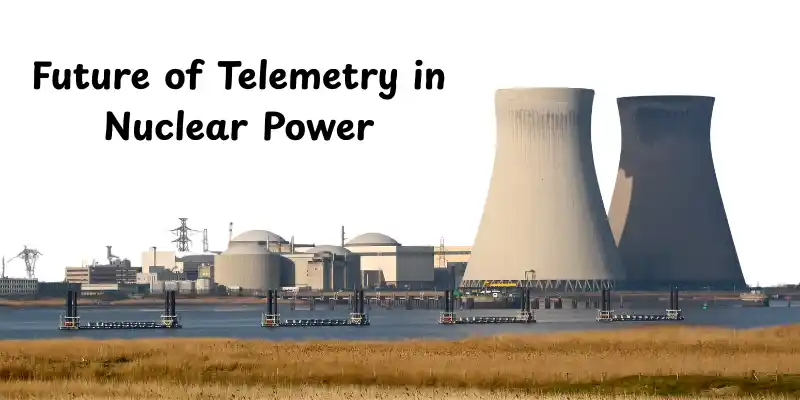
Telemetry in nuclear power is always improving. As technology gets better, new sensors and data systems will help monitor reactors, pumps, and radiation even more accurately. Future advancements, like artificial intelligence and machine learning, will make it easier to detect problems early and keep the plant running smoothly. These improvements will help make nuclear power safer and more efficient in the years to come.
Emerging Technologies
Introduction of New Technologies: As technology advances, new tools like artificial intelligence (AI) and machine learning are being used to improve telemetry in nuclear power plants. These technologies help analyze large amounts of data from sensors more quickly and accurately, making it easier to spot potential issues before they happen.
Example: For instance, AI can be used to analyze telemetry data from reactors and pumps. By recognizing patterns in the data, AI can predict when a part is likely to fail, allowing operators to perform predictive maintenance before a breakdown occurs. This helps reduce downtime and keeps the plant running safely and efficiently.
Integration with Smart Grids
How Telemetry Connects to Smart Grids: Telemetry plays a key role in connecting nuclear power plants to modern smart grids. It sends real-time data from the plant to the grid, allowing operators to monitor energy production and adjust output based on demand. This helps ensure a stable and efficient flow of electricity from nuclear plants to homes and businesses.
Tip: Smart grids use data from telemetry systems to improve energy distribution by balancing supply and demand. This means energy is delivered more efficiently, reducing waste and helping prevent power outages. By integrating with smart grids, nuclear plants can contribute to a cleaner and more reliable energy future.
Frequently Asked Questions About Telemetry in Nuclear Power
Here are some common questions about how telemetry works in nuclear power plants and its role in safety and efficiency.
Telemetry in nuclear power collects and sends real-time data from sensors to monitor plant conditions like temperature and pressure.
It helps ensure safety by providing continuous data, allowing operators to catch issues early and prevent accidents.
Telemetry detects abnormal changes in reactor conditions and alerts operators, allowing them to take immediate action.
Sensors that measure temperature, pressure, radiation, and other vital plant conditions are used to collect data.
It helps predict equipment failures by monitoring data, allowing maintenance teams to address problems before they cause breakdowns.
Yes, by detecting issues early and triggering alerts, telemetry helps prevent serious accidents and ensures safe plant operations.
Some challenges include handling large amounts of data, ensuring sensor accuracy, and protecting data from cyber threats.
Conclusion
Telemetry is essential for the safe and efficient operation of nuclear power plants. By continuously monitoring reactors, pumps, and other critical equipment, telemetry helps detect issues early and ensures that the plant operates within safe parameters. With the integration of advanced technologies like AI and machine learning, telemetry systems are becoming even more powerful, improving predictive maintenance and energy management. As smart grids and other innovations grow, telemetry will play a key role in shaping the future of clean, reliable, and efficient energy production.






- Be Respectful
- Stay Relevant
- Stay Positive
- True Feedback
- Encourage Discussion
- Avoid Spamming
- No Fake News
- Don't Copy-Paste
- No Personal Attacks
- Be Respectful
- Stay Relevant
- Stay Positive
- True Feedback
- Encourage Discussion
- Avoid Spamming
- No Fake News
- Don't Copy-Paste
- No Personal Attacks
