Exploring the Future of Telemetry in the Automotive World
Published: 10 Jan 2026
Telemetry in the automotive industry is a technology that enables cars and trucks to gather real-time data and transmit it to a remote location for analysis. This data includes things like speed, engine health, fuel efficiency, and even tyre pressure. By using sensors and wireless communication, telemetry makes it easier to track vehicle performance and diagnose problems before they become significant issues.
For example, fleet management companies use telemetry to monitor multiple vehicles at once, helping them reduce maintenance costs and improve safety. In the future, telemetry will become even more critical with the rise of electric vehicles (EVs) and autonomous cars. It is already a key part of making vehicles smarter and safer on the road, especially in the USA, where the technology is rapidly advancing.
What Is Automotive Telemetry?
Automotive telemetry is a system that allows cars to collect and send data to a remote location. This data can include information about the vehicle’s speed, engine health, fuel use, and even tyre pressure. The car has small sensors that measure these things, and then it sends the information through a wireless connection. This helps car owners or companies know how the vehicle is performing and if it needs any maintenance.
For example, if a car’s engine is overheating, the system can send a warning before it gets too serious. Fleet managers also use telemetry to track many cars at once, helping them save on costs and keep vehicles safe. In the USA, this technology is making cars smarter and easier to take care of.

How Telemetry Works in a Car
Automotive telemetry uses sensors to collect data from a car, like speed and engine health. This data is sent to a computer inside the vehicle, then wirelessly transmitted to a remote system. Fleet managers or car owners can check this data on their phone or computer, helping them monitor performance and spot problems early. In the USA, this technology makes cars smarter and easier to maintain.
Sensors in the Car
In a car, sensors are small devices that measure essential information, like the car’s speed, tyre pressure, and engine temperature. These sensors are spread throughout the vehicle and collect data continuously.
Collecting Data
The data gathered by the sensors is sent to a small computer inside the car. This computer organises and stores the information, so the car owner or fleet manager can easily check it. For example, the computer might store data about how much fuel is left or how fast the car is moving.
Sending Information
Once the data is collected, it is sent to a remote system. This system can be a computer, a smartphone, or a server, using wireless technology like Bluetooth or Wi-Fi. This way, car owners or fleet managers can see the information from anywhere, at any time. In the USA, this helps drivers and companies keep track of how well their vehicles are performing and know when maintenance is needed.
Key Data Collected by Vehicle Telemetry
Vehicle telemetry collects essential data from cars to help monitor their performance. This data can show how well the vehicle is running and help catch problems early. Here are some key types of data collected:
Engine Status
Telemetry checks the engine health, making sure it’s running smoothly. If something’s wrong, it sends a warning to the car owner or fleet manager.
Speed
The system tracks the speed of the car, helping to keep it safe and within the speed limit.
Location
Telemetry also collects location data, showing where the car is at any given time. This is useful for fleet management and finding cars quickly.
Fuel Efficiency
Telemetry helps track how much fuel the car is using. This can help improve driving habits and save on fuel costs.
Tire Pressure
By monitoring tyre pressure, telemetry can alert drivers if the tyres need air, helping prevent accidents or damage.

Benefits of Telemetry in Automotive
Telemetry in cars brings many benefits that help keep vehicles safe and running well. It makes driving safer, improves performance, saves on fuel, and lowers maintenance costs. Here’s how:
Safety
Telemetry helps spot issues like tyre pressure or engine problems before they become serious. It alerts drivers or fleet managers so they can fix issues quickly and avoid accidents.
Performance
By monitoring the car’s health, telemetry helps improve performance. It ensures the engine and other parts are working at their best, giving you a smoother drive.
Fuel Savings
Telemetry tracks how much fuel the car uses. It can help drivers adopt better habits, saving money on fuel and reducing waste.
Lower Maintenance Costs
With real-time data, fleet managers can keep track of when cars need service. This helps avoid big repairs and saves money on long-term maintenance.
Telemetry and Fleet Management
Telemetry plays a significant role in fleet management, making it easier to monitor many vehicles at once. With real-time data, fleet managers can keep track of vehicle performance, safety, and maintenance needs. This helps save time and money by ensuring vehicles are always in good condition.
Monitor Vehicle Health
With telemetry, fleet managers can see the condition of each vehicle, including engine health, tyre pressure, and fuel usage. This makes it easy to fix problems before they cause significant issues.
Track Vehicle Location
Telemetry shows where each vehicle is at all times. This helps fleet managers quickly find vehicles and make sure deliveries are on time.
Improve Efficiency
By tracking fuel usage and driving habits, telemetry helps reduce waste and improve fuel efficiency, saving money for businesses.
Real‑Life Examples of Automotive Telemetry
Automotive telemetry is used in many real-world situations to make vehicles smarter, safer, and more efficient. From delivery trucks to electric cars and ride-sharing fleets, telemetry helps businesses and drivers track essential information. Here are some examples:
Delivery Trucks
Telemetry helps delivery trucks by tracking location, fuel use, and vehicle health. This lets fleet managers ensure trucks are running well and make deliveries faster, saving time and money.
Electric Cars
For electric cars, telemetry tracks battery life, charging levels, and driving habits. This helps drivers manage energy use and extend the battery’s lifespan, especially in the growing EV market in the USA.
Ride-Sharing Fleets
Ride-sharing companies like Uber and Lyft use telemetry to monitor drivers’ speed, location, and performance. This ensures safety, improves routes, and helps manage large fleets more easily.
Telemetry in Electric and Smart Vehicles
Telemetry plays a key role in electric vehicles (EVs) and smart cars, helping them track essential features like battery health and innovative functions. This technology ensures EVs run efficiently and stay connected to drivers, providing real-time updates. For example, Indeema used telemetry in electric bikes to track performance, showing how it can work in all types of smart vehicles.
Battery Monitoring
In electric vehicles, telemetry helps track the battery health and charging levels. This information helps drivers know when to recharge and ensures the battery lasts longer.
Smart Features
Connected cars use telemetry to enable features like remote control, navigation, and safety alerts. For example, the vehicle can send a warning if the tyre pressure is low or if maintenance is needed.
Performance Tracking
Telemetry helps monitor how efficiently the car is using energy, providing data on driving habits and energy consumption. This allows EV owners in the USA save on energy costs and improve driving efficiency.
Future Trends in Automotive Telemetry
Automotive telemetry is evolving quickly, and it’s shaping the future of self-driving cars and connected vehicles. As technology improves, telemetry will play an even bigger role in making cars smarter, safer, and more efficient. Let’s look at where telemetry is headed:
Self-Driving Cars
In self-driving cars, telemetry will be essential for monitoring all vehicle systems in real-time. It will help ensure that the car’s sensors, cameras, and computers are working correctly to drive safely without human help.
Enhanced Safety Features
Future telemetry will offer even more safety features, like automatic alerts for accidents or problems with the car. This will make driving safer and reduce accidents on the road, especially in the USA.
Better Fuel and Battery Efficiency
As more electric vehicles (EVs) hit the road, telemetry will help monitor battery health and energy usage more accurately. This will help drivers get the most out of their vehicles and save on energy costs.
Increased Connectivity
Smart vehicles will become even more connected, allowing drivers to interact with their cars in new ways, such as remote diagnostics or real-time updates. This will make vehicle management more straightforward and more efficient.
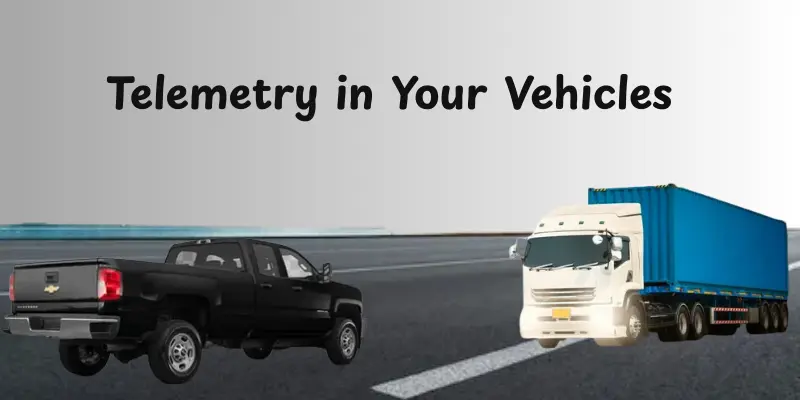
How to Start Using Telemetry in Your Vehicles
Getting started with telemetry in your vehicles is easier than it sounds. Whether you’re a company with a fleet or an individual driver, following a few simple steps can help you begin using this helpful technology. Here’s how you can get started:
1. Choose a Telemetry System
First, pick a telemetry system that fits your needs. There are many options available, from basic GPS tracking to advanced systems that monitor engine health and fuel usage. Look for a system that works with your vehicles.
2. Install Sensors and Devices
To collect the data, you’ll need to install sensors in each vehicle. These sensors track essential information like speed, tyre pressure, and battery health. Most systems come with easy-to-install devices that plug into your car.
3. Set Up Data Tracking
Once the sensors are installed, set up your system to start collecting and sending data. You can use a smartphone app or computer to monitor this information in real-time, keeping track of your vehicle’s health.
4. Analyse the Data
Use the data to make better decisions about maintenance, fuel use, and driving habits. By tracking this information, you can prevent costly repairs and improve performance.
5. Monitor and Improve
Keep an eye on your vehicles using the telemetry system. Regular monitoring will help you spot any issues early, improving safety and efficiency.
Frequently Asked Questions About Telemetry in Automotive
Here are some common questions people have about how telemetry works in vehicles and its benefits.
Telemetry in automotive is a system that collects and sends data from a vehicle to a remote location. This data can include information about the car’s speed, engine health, fuel usage, and location, helping drivers and fleet managers monitor the vehicle’s performance.
Vehicle telemetry uses sensors placed in the car to collect data. This data is sent wirelessly to a computer or smartphone, where it can be analysed. For example, the system can track things like tyre pressure, battery life, or even how well the engine is working.
Automotive telemetry collects several types of data, including:
- Engine status
- Speed
- Fuel efficiency
- Tire pressure
- Location
This data helps drivers keep their vehicles in good condition and avoid major repairs.
Telemetry is the collection and transmission of data from the vehicle to a remote system. Telematics, on the other hand, includes both data collection and communication, often with a focus on GPS tracking, vehicle location, and fleet management. Telematics is a broader term that combines telemetry with additional features like navigation.
Telemetry helps improve vehicle performance by continuously monitoring key systems like the engine, tyres, and battery. It sends alerts when something goes wrong, preventing costly repairs. For safety, it can warn drivers about issues like low tyre pressure or engine overheating, reducing the risk of accidents.
For fleet management, telemetry allows companies to monitor many vehicles at once. It helps track vehicle location, fuel use, and maintenance needs. This makes it easier to ensure vehicles are running smoothly, reduce fuel costs, and avoid major breakdowns, improving overall efficiency.
To start using telemetry, companies can install sensors in each vehicle. These sensors collect data, which is then sent to a central system, like a computer or smartphone. Companies can then track performance, monitor fuel usage, and schedule maintenance, all through the data collected by the system.
Conclusion
Telemetry in automotive is transforming how we manage and care for vehicles. Collecting real-time data helps track essential things like engine health, fuel efficiency, and vehicle location. This technology makes it easier to keep cars and fleets in top shape, saving time and money. In the USA, fleet managers and drivers alike can use telemetry to improve safety and reduce maintenance costs. As more electric vehicles (EVs) and smart cars hit the roads, telemetry will only become more important in making driving safer and more efficient for everyone.





- Be Respectful
- Stay Relevant
- Stay Positive
- True Feedback
- Encourage Discussion
- Avoid Spamming
- No Fake News
- Don't Copy-Paste
- No Personal Attacks
- Be Respectful
- Stay Relevant
- Stay Positive
- True Feedback
- Encourage Discussion
- Avoid Spamming
- No Fake News
- Don't Copy-Paste
- No Personal Attacks
