Telemetry Aerospace Data Facilities for Advanced Solutions
Published: 6 Jan 2026
Telemetry plays a key role in aerospace data facilities by supporting the success of space and aviation missions. These facilities gather and process real-time data from spacecraft and aircraft. With advanced sensors like RF, vibration, and position and navigation sensors, telemetry systems track essential components and provide engineers with the information they need to make good decisions.
The data is securely sent to ground stations, allowing engineers to keep monitoring system health. As technology advances, aerospace data facilities will become more efficient, supporting more complex missions and helping keep future aerospace projects safe and successful.
What is Telemetry in Aerospace?
In aerospace, telemetry uses devices and sensors on aircraft or spacecraft to collect, send, and analyze data. This information is crucial for checking system conditions during missions. Telemetry gives engineers real-time updates on temperature, position, and vibration, so they can quickly address any problems. The data is then sent to ground stations for further analysis.
Aerospace Data Facility Telemetry Overview
Aerospace data facilities are essential parts of the telemetry system. They collect and process data from airborne devices, using various technologies to ensure the data is captured, sent, and analyzed accurately.
Telemetry Ground Stations
Telemetry ground stations are essential to aerospace data facilities. They use antennas to receive data from spacecraft or aircraft. These stations gather information from sensors such as position, navigation, and temperature sensors, which are needed to monitor the vehicle’s systems.
- Telemetry Antennas
Ground stations use telemetry antennas to receive signals from spacecraft or aircraft. These antennas help keep data transmission stable and reliable.
Signal Enhancement with Low-Noise Amplifiers (LNAs)
Telemetry systems use low-noise amplifiers (LNAs) to improve the clarity of received signals. LNAs strengthen weak signals so the data remains clear and accurate as it travels from the spacecraft to the ground station.
- Role of LNAs in Data Quality
LNAs help keep data from spacecraft free of noise and distortion, making it easier to analyze. This allows engineers to make quick decisions and catch problems before they become serious.
Data Processing and Analysis
After ground stations receive the data, engineers check it for any issues. The telemetry system processes all the data, including information from position, navigation, and temperature sensors, to monitor spacecraft systems in real time.
- Handling Raw Telemetry Data
Raw telemetry data comes from various sensors on the spacecraft. Advanced systems in the data facility process this data and can quickly spot any signs of malfunctions or serious issues that need attention.

Why Telemetry is Essential in Aerospace
Telemetry is vital for successful aerospace missions. It allows engineers to monitor key systems in real time, so they can spot and fix problems early. Without telemetry, it would be required to track system health in space or on aircraft, especially during critical mission phases.
Continuous Monitoring of Critical Systems
- Real-Time Monitoring: Telemetry provides ongoing, real-time updates on essential aerospace systems, including position, navigation, vibration, and temperature sensors.
- Early Detection of Issues: Telemetry helps engineers find problems like sensor failures or environmental issues early, so they can respond quickly.
Ensuring Functionality of Key Sensors
- Position and Navigation Sensors: Telemetry checks how well position and navigation sensors are working, which is essential for guiding space missions accurately.
- Vibration Sensors: These sensors detect unusual vibrations that could affect the stability and safety of the spacecraft or aircraft.
- Other Critical Components: Telemetry also monitors other vital parts, making sure they work as expected and alerting engineers if something is wrong.
Importance of Data Security
- Protecting Sensitive Information: Data security is crucial in aerospace telemetry to prevent unauthorized access to mission-critical data.
- Error Detection: Telemetry systems use error-detection codes to ensure data is accurate and secure during transmission.
Quick Decision-Making Based on Real-Time Data
- Immediate Response to Emergencies: Telemetry allows engineers to make quick decisions using real-time data, which is crucial during emergencies or unexpected events.
- Remote Adjustments: With continuous data, engineers can adjust systems remotely, especially while a spacecraft is in flight, to keep the mission on track.
Key Components of a Telemetry Aerospace Data Facility
An aerospace telemetry facility includes many vital systems and devices that work together to collect, process, and analyze telemetry data. These components ensure that key data is captured, sent, and understood correctly during missions.
Telemetry Data Acquisition (DAQ) Systems
- DAQ systems collect and process data from various sensors, such as RF, environmental, temperature, and imaging sensors. They convert raw sensor data into a format that can be sent to ground stations.
Telemetry Commutator
- The telemetry commutator organizes and compresses telemetry data before it is sent. It collects data from many sensors, arranges it, and ensures it can be sent efficiently through the communication system.
Decommutator
- The commutator receives the telemetry data, decodes it, and converts it into a format engineers can read. This ensures that the data from the spacecraft can be used and analyzed correctly.
Onboard Data Handling
- Onboard data handling involves managing the data collected by the spacecraft’s sensors before sending it to ground stations. This includes buffering, formatting, and basic processing to ensure essential telemetry data is sent efficiently.
Tracking Systems
- Tracking systems monitor the position and movement of spacecraft or aircraft. They keep track of the vehicle’s location and speed, ensuring the telemetry data matches the real-time position.
Low-Noise Amplifiers (LNAs)
- Low-noise amplifiers (LNAs) boost weak telemetry signals so data transmission remains accurate and reliable. LNAs improve the signal-to-noise ratio, reduce interference, and enhance data quality.
Telemetry Antennas
- Telemetry antennas send and receive signals between the spacecraft or aircraft and the ground station. They are essential for maintaining steady communication during the mission.
Bit Synchronizer
- A bit synchronizer makes sure the transmitted data is adequately aligned, maintaining the integrity of the data stream. It ensures each bit of information is received in the correct order, allowing for accurate data processing.
Frame Synchronizer
- The frame synchronizer maintains the structure of data frames during transmission, making sure data packets are correctly aligned for proper decoding. This is essential for preventing errors during data reception.
Error-Detection Codes
- Error-detection codes identify any corruption or errors in transmitted data. They add an extra layer of security and ensure the received data is accurate, improving the reliability of the telemetry system.
Telemetry Ground Stations
- Telemetry ground stations are facilities that receive, decode, and analyze telemetry data from spacecraft. These stations have tracking systems, antennas, and data processing units to ensure the telemetry data is accurate.
RF Front-End
- The RF front-end manages radio frequency signals from the ground station’s antennas. It amplifies and filters the signals before sending them to the demodulator, ensuring the data can be analyzed.
Demodulator
- The demodulator converts received RF signals into a digital format that can be used. It turns raw data into structured information for analysis.
Sensor Technology
- Sensor technology includes the different sensors on a spacecraft that collect data, such as position, navigation, temperature, and vibration sensors. These sensors provide real-time information needed to monitor the spacecraft’s health and safety.
Signal Processing
- Signal processing involves filtering, amplifying, and converting raw data from sensors into a usable format. It ensures only relevant data is transmitted, improving the accuracy and reliability of telemetry information.
Data Synchronization
- Data synchronization makes sure all telemetry data from multiple sensors is aligned and sent in the correct order. This is essential for keeping time-sensitive data accurate during space missions.
Ground Station Telemetry Devices
Ground station telemetry devices are essential for receiving and processing data from airborne or space-based systems. These devices enable real-time communication between spacecraft and ground stations so that engineers can monitor and analyze mission-critical data.
Telemetry Antennas
Telemetry antennas are the leading equipment at ground stations for receiving signals from spacecraft. These antennas ensure continuous communication, capturing weak signals over long distances and helping receive essential telemetry data.
Bit Synchronizers
Bit synchronizers align the data stream so the bits from the spacecraft arrive in the correct order. Good bit synchronization is essential for keeping data accurate and avoiding errors during transmission.
Demodulators
Demodulators convert received signals into a usable format, turning RF signals into precise digital data. This allows engineers to access telemetry data in a way they can analyze and use during the mission.
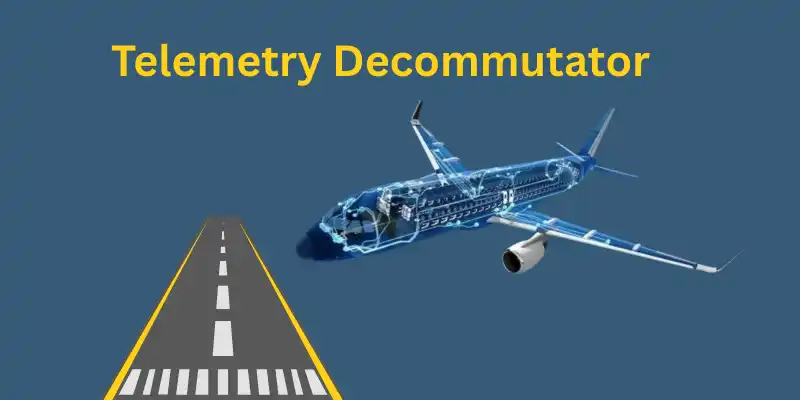
What Does a Telemetry Decommutator Do?
A telemetry accommodator is an integral part of aerospace telemetry systems. When data comes from the spacecraft or aircraft, it arrives at the ground station in a special format that needs to be processed and decoded. The accommodator converts the data back into a usable format so engineers can analyze it correctly. Modern systems also use software decomposers, making the process more flexible and able to handle complex data easily.
Telemetry Data Acquisition (DAQ) Systems
Telemetry Data Acquisition (DAQ) systems collect data from various sensors on spacecraft and aircraft. These systems ensure essential data is captured and processed accurately for real-time analysis.
Data Collection from Sensors
DAQ systems gather data from many sensors, such as pressure, temperature, and vibration sensors. These sensors provide essential information about the spacecraft’s health and environment, helping engineers monitor conditions during the mission.
Data Processing and Organization
After collecting the data, the DAQ hardware processes and organizes it for transmission. It ensures the data is correctly structured before it goes to ground stations for further analysis.
Sensor Technology and Signal Processing
DAQ systems use advanced sensors and signal processing to ensure the data collected is accurate. Processing removes noise and interference so high-quality data can be sent efficiently to ground stations for ongoing monitoring.
How Telemetry Data is Transmitted and Processed
Telemetry data travels from aerospace systems to ground stations using special communication methods. Sensors like RF sensors capture the data, which is sent through channels designed for a good signal-to-noise ratio. The data is processed onboard, then sent to the ground station. At the ground station, the accommodator decodes the data, and engineers analyze it. The system also uses data synchronization and error-detection codes to keep the data accurate and secure.
Key Challenges in Telemetry Aerospace Data Facilities
Telemetry is essential for aerospace missions, but there are some challenges to address:
- Data Latency: The delay in transmitting data from spacecraft or aircraft to ground stations can affect real-time analysis and decision-making.
- Data Security: Ensuring that telemetry data is protected from unauthorized access is critical for mission success.
- Signal Interference: RF signals can be affected by interference, which can impact the quality and reliability of the data received by ground stations.
Despite these challenges, ongoing advancements in sensor technology and telemetry communication help reduce these issues and improve system reliability.
The Future of Telemetry in Aerospace
The future of telemetry in aerospace looks promising, with ongoing advancements in sensor technology, data transmission, and real-time data processing. Future systems are expected to use more advanced data acquisition hardware and remote diagnostic tools. The integration of AI in aerospace will also enhance telemetry capabilities, allowing for more accurate predictions and more efficient data processing. As telemetry systems evolve, they will play an even bigger role in ensuring the safety and efficiency of future aerospace missions.
Frequently Asked Questions (FAQs) about Aerospace Data Facilities
Here are some common questions and answers about aerospace data facilities and their role in telemetry systems.
An aerospace data facility is a central hub where telemetry data from spacecraft and aircraft is collected, processed, and analyzed to monitor mission progress and system health.
DAQ systems capture data from sensors such as temperature, pressure, and vibration sensors, then process and organize it for transmission to ground stations.
The telemetry commutator organizes raw data from spacecraft systems, formats it for efficient transmission, and ensures the data is sent to the ground station in a structured way.
A telemetry accommodator decodes incoming data from the spacecraft, converting it into a readable format so engineers can analyze it for system health and performance.
Tracking systems monitor the spacecraft’s movement and position, making sure telemetry data matches the spacecraft’s real-time location for accurate analysis.
LNAs amplify weak signals received from the spacecraft, improving the signal-to-noise ratio and ensuring clear, reliable data transmission to ground stations.
Error-detection codes check the integrity of transmitted data, making sure any corruption or loss of data is found and corrected before analysis.
Conclusion
Aerospace data facilities are essential for the success of space and aviation missions. They enable real-time monitoring of key systems on spacecraft and aircraft so that engineers can make quick, informed decisions. As telemetry, communication, and data security become more critical, aerospace technology will continue to advance. In the future, data facilities and telemetry systems will improve even more, supporting complex missions and making space exploration more reliable.




- Be Respectful
- Stay Relevant
- Stay Positive
- True Feedback
- Encourage Discussion
- Avoid Spamming
- No Fake News
- Don't Copy-Paste
- No Personal Attacks
- Be Respectful
- Stay Relevant
- Stay Positive
- True Feedback
- Encourage Discussion
- Avoid Spamming
- No Fake News
- Don't Copy-Paste
- No Personal Attacks
