Why Telemetry in Hospitals is Crucial for Patient Safety
Published: 5 Jan 2026
Telemetry in hospitals is transforming patient safety by providing real-time monitoring of vital signs and health metrics. Healthcare providers can remotely track patients and quickly respond to changes, preventing issues before they become critical.
Telemetry provides vital support for patients requiring constant observation. It reduces errors, enables rapid response to health changes, and improves patient outcomes. As healthcare automation grows, integrating telemedicine and telemetry makes care more efficient, accessible, and safe.
What is Telemetry in Hospitals?
Hospitals use telemetry to monitor and send patient data in real time with electronic devices. It is a key part of patient monitoring systems, allowing providers to track vital signs like heart rate, blood pressure, and oxygen levels from a distance. This continuous and accurate monitoring means patients do not always have to be physically connected to machines.
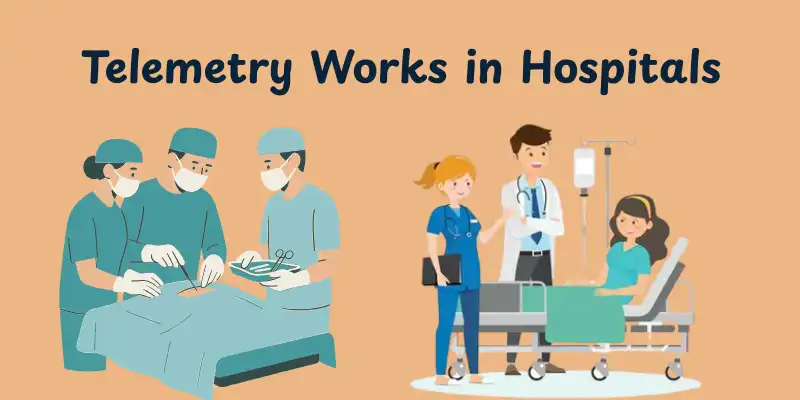
How Telemetry Works in Hospitals
In hospitals, telemetry uses sensors on the patient’s body to measure vital signs like heart rate and ECG.
Data Transmission via Wireless Health Devices
The data is then transmitted via health devices to a central monitoring station. This allows healthcare professionals to receive continuous updates without being physically present with the patient.
Integration with Health Information Systems
This technology connects with hospital systems, letting doctors analyse patient data in real time and make quick decisions.
How is Telemetry Used in Patient Monitoring?
Have you ever wondered how medical teams keep track of patients’ vital signs after surgery? Telemetry in patient monitoring observes and records continuous vital signs. A post-surgical patient, for instance, might wear a telemetry device; it reports both blood pressure and heart activity, providing real-time feedback.
Continuous Monitoring for Early Detection
How does a constant stream of data help healthcare professionals? This ongoing monitoring allows the medical team to quickly detect any potential complications, like abnormal heart rhythms or rising blood pressure, and respond without delay.
Remote Patient Monitoring for Improved Care
What happens after a patient leaves the hospital? Doctors can use remote patient monitoring to track a patient’s condition after they leave the hospital. This sustained, long-distance care supports recovery and helps cut down on readmissions.
How Data is Collected and Transmitted
Sensors on the patient’s body gather data via telemetry and send it wirelessly to a central server for provider analysis.
Wireless Data Transmission
This real-time wireless transmission allows healthcare providers to monitor patient data remotely, enabling continuous and immediate access.
Medical Signal Processing and Integration
Medical signal processing turns raw data into insights, which are integrated into EHRs for easier patient tracking.
Real-Time Healthcare Data Transmission
Instantaneous data access supports rapid, informed decision-making by doctors and nurses, which is vital in critical situations.
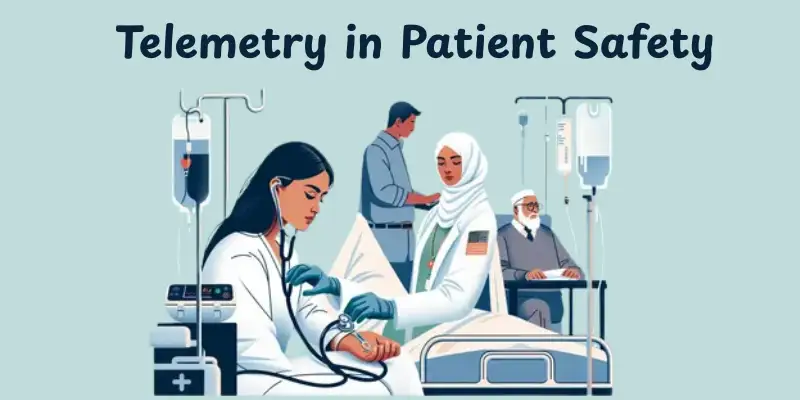
The Importance of Telemetry in Patient Safety
Telemetry plays a vital role in safeguarding patient safety by enabling the continuous and precise monitoring of patients’ health, especially for those in critical care. By providing real-time updates, telemetry systems ensure that healthcare providers can respond immediately if there are any significant changes in a patient’s condition.
Key Benefits of Telemetry for Patient Safety:
- Continuous Monitoring and Alerts: Telemetry systems provide ongoing observation of patients, delivering immediate notifications of significant changes, especially for those in high-risk scenarios like post-surgery or in the ICU.
- Real-Time Alerts: Telemetry delivers instant notifications to healthcare professionals about specific, potentially dangerous health events, like sudden changes in heart rate or oxygen levels, so they can provide immediate care.
- Early Detection of Abnormalities: Telemetry systems identify early signs of health decline, such as irregular heart rates, which prompt healthcare teams to act swiftly before issues escalate.
- Remote Diagnostics: With telemetry, doctors remotely monitor patients’ health data, enabling quick clinical assessments and fast decisions without being at the bedside, thereby reducing delays in treatment.
- Health Monitoring Algorithms: Telemetry uses advanced algorithms to spot potential health risks in real time, giving care teams advance notice so they can take steps to prevent harm.
Benefits of Telemetry for Hospitals and Healthcare Providers
Telemetry devices in hospitals improve the efficiency and effectiveness of care.
Key Benefits for Hospitals and Healthcare Providers:
- Reduced Need for In-Person Checkups: Telemetry enables continuous monitoring, reducing routine checkups and freeing staff for urgent cases.
- Remote Consultations via Telemedicine Platforms: Telemedicine lets doctors consult patients remotely, ensuring care without hospital visits.
- Medical Device Integration: Integrated devices offer a comprehensive, accessible view of patient health.
- Improved Patient Care Technology: Telemetry supports advanced care technologies, enhancing safety and quality.
- Enhanced Healthcare Automation: Telemetry boosts automation, improving efficiency and timely interventions.
Challenges of Using Telemetry in Hospitals
While telemetry in hospitals offers numerous benefits, there are several challenges that healthcare providers must address.
Key Challenges of Telemetry in Hospitals:
- Data Security Concerns:
- Medical data security is critical when transmitting sensitive patient information. Hospitals must take steps to protect this data from unauthorised access.
- “In healthcare, protecting patient data isn’t just a priority; it’s a legal requirement.” – Healthcare IT Expert.
- Medical data security is critical when transmitting sensitive patient information. Hospitals must take steps to protect this data from unauthorised access.
- High Implementation and Maintenance Costs:
- The cost of implementing and maintaining health monitoring systems can be substantial, especially when upgrading outdated technology.
- Hospitals must invest in high-quality equipment and ongoing staff training to ensure the technology remains effective and secure.
- The cost of implementing and maintaining health monitoring systems can be substantial, especially when upgrading outdated technology.
- Technical and Operational Issues:
- Telemetry systems may experience technical glitches, such as signal loss or data inconsistencies, that could affect patient monitoring.
- Ongoing maintenance and software updates are necessary to keep the systems running smoothly.
- Telemetry systems may experience technical glitches, such as signal loss or data inconsistencies, that could affect patient monitoring.

The Future of Telemetry in Hospitals
The future of telemetry systems in healthcare is bright. Innovations in AI and predictive health analytics are expected to make telemetry even more efficient. With advancements in sensor technology and data processing, telemetry will continue to improve, offering hospitals new ways to provide proactive care and better patient outcomes.
Key Innovations Shaping the Future of Telemetry:
- AI in Healthcare:
- Artificial intelligence (AI) will enable healthcare providers to analyse large volumes of patient data more effectively. AI algorithms can detect subtle patterns in health data that might otherwise be missed, allowing for earlier intervention and more accurate diagnoses.
- Artificial intelligence (AI) will enable healthcare providers to analyse large volumes of patient data more effectively. AI algorithms can detect subtle patterns in health data that might otherwise be missed, allowing for earlier intervention and more accurate diagnoses.
- Predictive Health Analytics:
- With the use of predictive health analytics, hospitals will be able to foresee potential health issues before they become serious. This leads to proactive care, allowing healthcare providers to intervene early and prevent complications from escalating.
- With the use of predictive health analytics, hospitals will be able to foresee potential health issues before they become serious. This leads to proactive care, allowing healthcare providers to intervene early and prevent complications from escalating.
- Advancements in Sensor Technology:
- As sensor technology continues to improve, wearable health devices will become more accurate and less intrusive. These devices will be smaller, more comfortable for patients, and capable of providing continuous, real-time data without causing discomfort or disruption.

The Crucial Role of Telemetry in Modern Healthcare
The role of telemetry in modern healthcare is undeniable. With its ability to monitor patients remotely and in real-time, telemetry in hospitals has become a cornerstone of healthcare technology. It enables continuous monitoring, helping healthcare providers respond quickly to changes in patient conditions, ultimately saving lives and improving care quality.
Key Ways Telemetry Plays a Crucial Role:
- Remote Patient Monitoring:
- Telemetry allows healthcare providers to monitor patients from a distance, reducing the need for constant in-person checkups while still ensuring that patients receive quality care.
- Telemetry allows healthcare providers to monitor patients from a distance, reducing the need for constant in-person checkups while still ensuring that patients receive quality care.
- Real-Time Data Transmission:
- With real-time monitoring, healthcare professionals receive immediate updates about a patient’s condition, enabling them to intervene quickly and address any emerging issues before they become critical.
- With real-time monitoring, healthcare professionals receive immediate updates about a patient’s condition, enabling them to intervene quickly and address any emerging issues before they become critical.
- Improving Care Quality:
- By continuously monitoring patient data, telemetry enhances the quality of care, providing a more comprehensive view of a patient’s health and enabling timely responses to changes.
- By continuously monitoring patient data, telemetry enhances the quality of care, providing a more comprehensive view of a patient’s health and enabling timely responses to changes.
- Integration with Telemedicine and Telehealth:
- As the healthcare industry embraces telemedicine and telehealth, telemetry systems play a vital role in making these technologies effective. Remote monitoring systems allow healthcare providers to conduct virtual consultations and ensure that patients are being cared for even from a distance.
Frequently Asked Questions About Telemetry in Hospitals
Here are some common questions about the use of telemetry in hospitals and its impact on patient care.
Telemetry in hospitals involves using electronic devices to monitor and transmit patient data in real-time, helping healthcare providers track vital signs remotely.
Telemetry allows continuous monitoring of vital signs, enabling quick responses to any changes in a patient’s condition, thereby preventing emergencies.
Yes, remote patient monitoring via telemetry helps track patients post-discharge, reducing the likelihood of complications that could lead to readmissions.
Patients with chronic conditions, post-surgery patients, or those in intensive care units (ICUs) benefit most from telemetry due to the constant monitoring of their health.
Telemetry data is transmitted wirelessly from wearable health devices or sensors to a central monitoring station, where healthcare professionals analyse it.
No, telemetry supports in-person visits by enabling doctors to monitor patients remotely, but it doesn’t replace the need for physical check-ups.
Telemetry data is highly secure, as hospitals use encryption and comply with HIPAA regulations to protect patient data during transmission and storage.
Conclusion
Telemetry in hospitals is essential for patient safety and efficiency. By monitoring vital signs continuously, providers can respond to emergencies faster and deliver better care. As technology advances, telemetry systems will improve, boosting healthcare outcomes. With more telemedicine and wearable devices, patient care will become even more efficient, accurate, and secure.






- Be Respectful
- Stay Relevant
- Stay Positive
- True Feedback
- Encourage Discussion
- Avoid Spamming
- No Fake News
- Don't Copy-Paste
- No Personal Attacks
- Be Respectful
- Stay Relevant
- Stay Positive
- True Feedback
- Encourage Discussion
- Avoid Spamming
- No Fake News
- Don't Copy-Paste
- No Personal Attacks
