Future-Proof Your Business with Energy Telemetry Solutions
Published: 28 Dec 2025
In today’s rapidly evolving business landscape, staying ahead of the curve is essential for long-term success. One of the most effective ways to future-proof your business is by adopting energy telemetry solutions. These cutting-edge systems provide real-time monitoring, data analytics, and automation, allowing businesses to optimize energy consumption, reduce costs, and enhance sustainability efforts. By integrating energy telemetry, companies can not only improve operational efficiency today but also prepare for the energy demands of tomorrow, ensuring they remain competitive and environmentally responsible for years to come.
What Are Energy Telemetry Solutions and Why Are They Important?
Energy Telemetry Solutions are advanced systems that allow for the real-time monitoring, tracking, and analysis of energy consumption and performance. These solutions typically use sensors and Internet of Things (IoT) devices to gather data, which is then sent to a central system for analysis. The goal is to optimize energy usage, improve efficiency, and reduce waste.
Why Are Energy Telemetry Solutions Important?
Energy telemetry solutions play a crucial role in both residential and industrial energy management. They provide accurate insights into energy use, helping businesses and homes monitor their energy consumption patterns. This real-time data allows for quick decisions to improve energy efficiency, reduce operational costs, and contribute to sustainability efforts.
Key Benefits of Energy Telemetry Solutions:
- Enhanced Energy Efficiency: By continuously tracking energy usage, these solutions help identify inefficiencies and areas for improvement.
- Cost Savings: Real-time energy tracking can lead to significant savings by reducing wasted energy and optimizing usage patterns.
- Environmental Impact: Energy telemetry contributes to reducing the carbon footprint by promoting the use of energy-saving strategies and green energy sources.
- Data-Driven Decisions: Businesses can make more informed decisions based on accurate, real-time data from their energy telemetry systems.
Applications of Energy Telemetry Solutions
- Smart Homes: Telemetry helps homeowners monitor their energy use and control devices for maximum efficiency.
- Industries & Manufacturing: Telemetry solutions track energy usage across facilities, leading to better resource management.
- Buildings & Infrastructure: Buildings can optimize heating, ventilation, and air conditioning (HVAC) systems, reducing overall energy consumption.
How Energy Telemetry Solutions Improve Energy Management
Energy management is essential for both businesses and homeowners who want to reduce their energy consumption, lower costs, and promote sustainability. Energy telemetry solutions play a pivotal role in improving energy management by offering real-time data, advanced analytics, and automated monitoring systems.
These solutions use advanced sensors and the Internet of Things (IoT) to collect data from various energy sources like lighting, HVAC systems, and machinery. The data is then sent to a central platform where it is analyzed to gain insights into energy consumption patterns.
Ways Energy Telemetry Solutions Improve Energy Management:
1. Real-Time Energy Monitoring
Energy telemetry solutions allow you to monitor energy consumption in real-time. With the help of smart sensors, you can track your energy usage across different devices or systems instantly. This helps identify spikes in usage and areas where energy is being wasted.
Example: A factory can track energy consumption across its production lines, immediately spotting when machinery is consuming more energy than necessary, and take action to fix it.
2. Data-Driven Insights for Optimization
Telemetry systems collect large amounts of data, which can be analyzed to identify inefficiencies and patterns. By using energy analytics tools, businesses and homeowners can see where energy is being wasted and implement strategies to reduce consumption.
Tip: Analyzing data from energy telemetry solutions can highlight opportunities for switching to energy-efficient devices or adjusting operating schedules.
3. Automation and Control
Energy telemetry systems can automate energy management. This means you can set parameters to turn off devices during non-peak hours, adjust temperatures automatically, and even switch to energy-saving modes based on real-time data.
Example: Smart thermostats that adjust the temperature in your home based on usage patterns, reducing energy waste.
4. Predictive Maintenance
Energy telemetry solutions allow for predictive maintenance, helping prevent energy waste before it happens. By monitoring energy usage trends, the system can predict when equipment or machinery is likely to malfunction, allowing you to schedule maintenance before problems arise.
Example: In an office building, the HVAC system’s energy usage patterns can predict when a component needs repair, preventing system failures and ensuring consistent energy efficiency.
5. Cost Reduction
By improving energy efficiency, telemetry solutions help businesses and homeowners lower their energy bills. Real-time insights allow you to adjust usage patterns, optimize equipment, and reduce the overall energy consumption.
Tip: Implementing energy-efficient practices based on telemetry data can reduce operational costs in industries like manufacturing, commercial buildings, and even in residential spaces.
6. Enhancing Sustainability Goals
Energy telemetry solutions help align energy use with sustainability goals. By reducing energy consumption and adopting greener energy solutions, businesses can meet their environmental objectives, lower carbon emissions, and contribute to sustainability efforts.
Example: A company using energy telemetry to optimize its energy usage may decide to switch to renewable energy sources, improving its sustainability profile.

Key Benefits of Using Energy Telemetry Solutions for Your Business
As businesses continue to look for ways to reduce costs, increase efficiency, and promote sustainability, energy telemetry solutions have become a vital tool. These advanced systems help businesses monitor, analyze, and manage their energy consumption in real-time. By leveraging real-time energy tracking and data analytics, companies can make informed decisions that drive savings and improve overall operational efficiency.
Here are the key benefits of using energy telemetry solutions for your business:
1. Real-Time Monitoring and Control
Energy telemetry solutions provide real-time monitoring of energy use across your entire business. Whether it’s office lighting, heating, or machinery, you can instantly see how much energy is being consumed and where. This real-time data allows for immediate adjustments to avoid energy wastage.
Example: A manufacturing company can track energy consumption across its production lines and adjust machinery settings or schedule downtime to reduce peak-hour energy usage.
Benefit: Instant insights mean you can make changes in real-time to optimize usage and reduce unnecessary costs.
2. Reduced Operational Costs
One of the most significant advantages of energy telemetry solutions is their ability to reduce operational costs. By monitoring energy use and identifying inefficiencies, businesses can take steps to cut back on waste. Whether it’s switching to energy-efficient lighting or optimizing HVAC systems, the savings can be substantial.
Tip: Using energy-efficient systems like LED lights and smart thermostats can drastically reduce energy bills.
3. Enhanced Energy Efficiency
Energy telemetry systems give businesses the tools to optimize energy usage. Through data analytics and reports, companies can identify which equipment or areas are consuming the most energy. With this information, you can implement energy-saving strategies, such as improving insulation or upgrading to more efficient machinery.
Example: An office building using telemetry might discover that the HVAC system is consuming more energy than necessary. By scheduling regular maintenance or upgrading to a more efficient system, the company can save on energy costs.
4. Predictive Maintenance and Reduced Downtime
Energy telemetry solutions offer predictive maintenance by analyzing energy data to forecast when equipment might fail or require service. This proactive approach helps businesses avoid unplanned downtime and costly repairs, which could interrupt production or service.
Example: A factory uses energy telemetry to track the energy performance of its machines. When the system detects unusual energy consumption, it alerts maintenance teams to inspect the equipment before it breaks down.
Benefit: Proactively addressing maintenance issues ensures smoother operations and avoids costly repairs.
5. Improved Sustainability and Environmental Impact
Businesses are under increasing pressure to improve sustainability and reduce their carbon footprint. Energy telemetry solutions help businesses to meet their sustainability goals by identifying areas where energy waste can be reduced and by making it easier to transition to green energy solutions like solar or wind power.
Example: A company using telemetry might decide to install solar panels after analyzing energy patterns and understanding the potential for renewable energy use.
Benefit: Reducing energy consumption and relying on sustainable sources enhances the company’s environmental reputation and reduces its overall carbon footprint.
The Role of Data Collection in Energy Telemetry Systems
Energy telemetry systems rely heavily on the collection of energy data to monitor, analyze, and optimize energy usage in real-time. By gathering data from various energy-consuming devices, such as HVAC systems, lighting, and machinery, these systems offer businesses valuable insights into their energy consumption patterns. The collected data is used to drive energy optimization, improve efficiency, and ultimately reduce costs.
How Data Collection Works in Energy Telemetry Systems
1. Real-Time Energy Tracking
Energy telemetry systems use sensors and IoT technology to collect real-time energy data. These sensors are installed across various points of energy consumption in a business, allowing for continuous monitoring.
Example: A smart building equipped with energy telemetry sensors can track the energy use of lighting, HVAC systems, and equipment, updating the data every few seconds.
Benefit: Real-time data allows businesses to spot inefficiencies or spikes in energy consumption immediately, which can lead to quick adjustments and energy savings.
2. Energy Consumption Insights
Data collection in energy telemetry systems provides detailed insights into energy consumption patterns. By tracking energy usage at different times of day or under various operating conditions, businesses can identify areas where energy is being wasted.
Example: An office building can use telemetry to monitor how much energy is being used for lighting after business hours and adjust the settings accordingly.
Benefit: With data analytics tools, businesses can make data-driven decisions to improve energy efficiency, reducing unnecessary costs.
The Importance of Data Collection for Energy Optimization
1. Improved Cost Efficiency
The data gathered from energy telemetry systems allows businesses to analyze their energy costs more effectively. By understanding where energy is being consumed most, companies can implement strategies for energy savings, such as replacing outdated equipment with energy-efficient models or switching to green energy sources.
Example: By using energy data, a retail business might identify that its air conditioning system consumes a large amount of energy. The company can then optimize the HVAC settings for better energy efficiency.
Benefit: The more data you collect, the better equipped you are to make cost-saving decisions and reduce waste.
2. Enhanced Decision-Making and Sustainability
Energy data collection is also essential for businesses aiming to meet their sustainability goals. By monitoring and analyzing energy use, companies can adjust their practices to align with environmental standards, such as adopting renewable energy sources or improving energy efficiency across operations.
Example: A business that collects data from solar panels can track how much energy is being generated and consumed. This allows them to shift more energy-intensive operations to daylight hours, maximizing the use of renewable energy.
Benefit: Collecting accurate data helps businesses stay compliant with environmental regulations and boosts their green credentials.
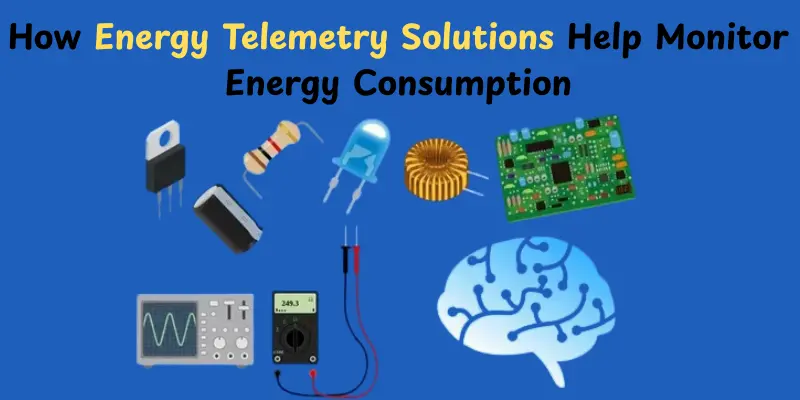
How Energy Telemetry Solutions Help Monitor Energy Consumption
Energy telemetry solutions are revolutionizing the way businesses and homeowners monitor their energy consumption. These solutions use real-time data collection, IoT sensors, and advanced data analytics to provide accurate, continuous insights into how energy is being used. By effectively tracking and analyzing energy consumption, these systems help organizations reduce waste, improve efficiency, and save on operational costs.
1. Real-Time Monitoring of Energy Usage
One of the key features of energy telemetry solutions is their ability to provide real-time monitoring of energy consumption. Through smart sensors installed in various devices (e.g., HVAC systems, lighting, and machinery), these systems continuously gather data on how much energy is being used at any given time.
Example: A commercial building equipped with an energy telemetry system can track the energy usage of each floor, ensuring that heating, cooling, and lighting are only activated when necessary.
Benefit: This real-time monitoring allows businesses to quickly identify high consumption periods and adjust their operations to optimize energy use, leading to reduced waste.
2. Energy Consumption Data Analytics
Energy telemetry solutions collect vast amounts of data, and through advanced analytics, businesses can make sense of this data. The data analysis identifies patterns and trends in energy usage, enabling organizations to spot inefficiencies and implement corrective measures.
Example: A manufacturing facility may notice that specific machines are consuming more energy during certain shifts. Data analytics can reveal the exact times and conditions under which this occurs, helping to adjust machine settings or improve maintenance.
Benefit: This data-driven decision-making empowers businesses to take action based on accurate insights, improving overall energy efficiency.
3. Identifying Energy Waste and Inefficiencies
Energy telemetry systems help detect areas where energy is being wasted. With precise data from energy meters and smart sensors, businesses can pinpoint areas that consume excessive energy or are using energy inefficiently.
Example: An office building may find that its lighting systems are running after hours, even when the building is empty. The telemetry system can automatically adjust the settings to shut down lights when no one is around.
Benefit: Identifying these inefficiencies allows businesses to make necessary changes, reducing energy consumption and lowering utility costs.
4. Automated Energy Management
Many energy telemetry solutions allow for automated energy management. Based on the real-time data collected, these systems can automatically adjust settings to optimize energy consumption without manual intervention.
Example: A smart thermostat connected to an energy telemetry system can automatically adjust the temperature in a building based on the number of people inside, ensuring that energy is only used when needed.
Benefit: Automation helps businesses save time and ensures that energy is used efficiently at all times, without the need for constant manual adjustments.
Types of Energy Telemetry Solutions for Different Industries
Energy telemetry solutions are essential for businesses across various industries in the USA to monitor, manage, and optimize energy consumption. By utilizing real-time data and predictive analytics, these solutions help organizations improve energy efficiency, reduce costs, and meet sustainability goals. Below are the key types of energy telemetry solutions used in different industries:
1. Industrial Energy Telemetry Solutions
In manufacturing and industrial sectors, energy telemetry systems are used to monitor energy use across equipment and machinery. These systems help businesses detect inefficiencies, optimize operations, and reduce energy consumption, leading to lower operating costs.
How It Works:
- Sensors installed on machinery collect real-time energy consumption data.
- The data is sent to a central system for analysis and insights into energy usage trends.
- Predictive analytics help in maintenance by identifying equipment likely to fail due to energy inefficiencies.
Example: A factory uses energy telemetry to monitor machines running during peak hours, allowing them to adjust machine settings and avoid unnecessary energy consumption.
Benefit: Businesses in the industrial sector can reduce energy costs, improve machine efficiency, and prevent downtime through predictive maintenance.
2. Commercial Building Energy Telemetry Solutions
Commercial buildings, including office spaces, shopping centers, and warehouses, can benefit from energy telemetry solutions to control energy use across lighting, HVAC systems, and other building services. This type of telemetry solution helps businesses achieve LEED certification and reduce operational costs.
How It Works:
- Smart meters and sensors track energy usage in real-time across HVAC, lighting, and other building systems.
- Automated control systems adjust energy usage based on occupancy levels and weather patterns.
- Energy dashboards provide managers with insights to optimize building performance.
Example: An office building uses an energy telemetry system to reduce HVAC energy consumption during off-hours by adjusting settings based on building occupancy.
Benefit: Commercial buildings can save on energy bills, improve occupant comfort, and meet energy efficiency standards.

How to Choose the Right Energy Telemetry Solution for Your Needs
Choosing the right energy telemetry solution is a critical step in optimizing energy usage and improving efficiency. With a variety of options available, businesses, homeowners, and industries in the USA need to consider several factors to select the solution that best fits their specific needs. Whether you’re looking to reduce energy costs, improve sustainability, or streamline energy management, the right telemetry solution can help you achieve these goals.
Below are some key factors to consider when choosing an energy telemetry solution for your energy management needs.
1. Identify Your Energy Monitoring Goals
Before selecting a solution, it’s essential to define what you want to achieve. Are you looking to monitor energy consumption in real time, reduce operational costs, or enhance energy efficiency? Different solutions cater to other goals, so it’s essential to be clear about your needs.
Questions to Ask:
- Do you need real-time energy consumption tracking?
- Are you looking to integrate renewable energy sources into your system (e.g., solar panels)?
- Do you need predictive maintenance features to reduce energy waste?
Example: A retail business may want a telemetry system that focuses on monitoring lighting and HVAC systems to optimize energy use after business hours, while a manufacturing plant may need a solution that monitors machinery and production lines for energy inefficiencies.
2. Consider Scalability and Flexibility
As your business or home grows, your energy needs will change. Choose a solution that is scalable and can adapt to your future needs. Whether you’re expanding operations or adding new energy-consuming equipment, your telemetry system should be able to handle the increased demand.
What to Look For:
- Modular systems that can be upgraded as needed.
- Integration with existing smart grids or IoT devices.
- The ability to monitor multiple locations or assets.
Example: A growing warehouse might start with basic lighting and HVAC monitoring, but later needs to add energy tracking for large machinery or fleet vehicles.
3. Real-Time Data and Analytics Capabilities
Real-time monitoring is essential for quick decision-making. Look for energy telemetry solutions that offer live data feeds, energy usage reports, and detailed analytics. This allows you to make adjustments in real time and optimize energy consumption immediately.
Key Features to Look For:
- Energy usage dashboards that provide a clear overview.
- Predictive analytics to forecast energy demand and prevent wastage.
- Alerts for energy spikes or inefficiencies.
Example: A commercial office building can use a system with real-time alerts for HVAC inefficiency, allowing it to address issues quickly and reduce high energy costs.
The Impact of Energy Telemetry Solutions on Reducing Operational Costs
In today’s competitive business environment, finding ways to reduce operational costs is crucial for maintaining profitability. Energy telemetry solutions have become a key tool for businesses in the USA to achieve significant cost savings by optimizing energy consumption. These systems provide real-time monitoring, data analysis, and automation, helping organizations identify inefficiencies, make informed decisions, and implement energy-saving strategies.
Frequently Asked Questions About Energy Telemetry Solutions
Explore the most common questions about energy telemetry solutions and how they can benefit your business.
Energy telemetry solutions are advanced systems that use real-time data collection, sensors, and analytics to monitor and optimize energy consumption. These systems provide businesses with valuable insights into their energy usage, allowing them to reduce waste, lower costs, and improve efficiency.
Energy telemetry solutions collect data from various energy-consuming devices (such as HVAC systems, lighting, and machinery) through sensors and IoT technology. This data is then transmitted to a central system, where it is analyzed to provide insights into energy use patterns, inefficiencies, and opportunities for optimization.
Energy telemetry solutions can benefit a wide range of industries, including manufacturing, retail, commercial buildings, healthcare, agriculture, and transportation. These solutions help businesses in any industry track energy usage, reduce costs, and improve sustainability efforts.
By continuously monitoring energy use and identifying inefficiencies, energy telemetry systems allow businesses to optimize their energy consumption. This can lead to lower utility bills, reduced waste, and better energy management across operations. Predictive maintenance features also help avoid costly repairs, further lowering expenses.
Yes, energy telemetry solutions help businesses monitor their energy consumption and identify opportunities to switch to renewable energy sources, improve energy efficiency, and reduce their overall carbon footprint. This supports sustainability goals while also cutting down on energy costs.
Implementing energy telemetry solutions is typically straightforward, especially with the right system. Many solutions offer easy-to-install sensors and cloud-based platforms that provide real-time data and insights. Businesses can often integrate these systems with existing infrastructure, making the process smoother.
When choosing an energy telemetry solution, consider factors like the size of your business, your energy goals, real-time monitoring capabilities, scalability, and data analytics features. It’s essential to choose a solution that fits your specific needs and integrates with your existing energy management systems.
Conclusion
Energy telemetry solutions are a powerful tool for businesses looking to optimize energy consumption, reduce costs, and improve sustainability. By leveraging real-time data and advanced analytics, these systems help future-proof your operations and drive long-term efficiency. Embracing these solutions today ensures that your business remains competitive, cost-effective, and environmentally responsible for years to come.





- Be Respectful
- Stay Relevant
- Stay Positive
- True Feedback
- Encourage Discussion
- Avoid Spamming
- No Fake News
- Don't Copy-Paste
- No Personal Attacks
- Be Respectful
- Stay Relevant
- Stay Positive
- True Feedback
- Encourage Discussion
- Avoid Spamming
- No Fake News
- Don't Copy-Paste
- No Personal Attacks
