Unlocking the Power of Telemetry Communication Protocols
Published: 10 Dec 2025
In today’s digital age, telemetry communication protocols are revolutionizing industries by enabling seamless, real-time monitoring and data transmission. These protocols ensure that data from remote devices is transmitted accurately to central systems, allowing businesses and organizations to monitor systems from afar. Whether it’s tracking sensor data transmission in industrial settings or collecting vital health information for remote healthcare monitoring, telemetry systems are essential for improving efficiency.
The ability to send data securely and without delay opens up new possibilities in areas like agriculture, manufacturing, and environmental monitoring. As technology continues to advance, telemetry communication will play an even larger role in driving innovation and improving decision-making across various sectors.
What is Telemetry Communication?
Telemetry communication is the technology that enables the transmission of data from remote locations to a central system for monitoring and analysis. It involves using sensors and devices to collect data, which is then transmitted via communication channels. This allows real-time observation of systems or conditions that are often far from human reach. It’s widely used in industries such as healthcare, agriculture, and space exploration to gather and analyze data remotely.
Why Are Telemetry Communication Protocols Important?
Telemetry communication protocols are vital because they ensure that data is transmitted efficiently, securely, and accurately between devices and systems. Without these protocols, it would be impossible to achieve the level of real-time monitoring required in industries such as healthcare, energy, or agriculture. They form the backbone of all sensor data transmission, ensuring that data collected from IoT devices can be communicated effectively.
- Secure Data Transmission
- Real-time Monitoring Capabilities
- Reduced Operational Costs
- Increased System Efficiency
- Scalability in System Design
By using these protocols, systems can operate smoothly, providing valuable insights and improving decision-making across various industries.
Types of Telemetry Communication Protocols
There are several types of telemetry communication protocols, each designed to serve different communication needs depending on the application. These protocols can be either wired or wireless, each offering unique advantages. The choice between the two often depends on the system’s environment, range, and power consumption requirements.
Wired Protocols
Wired protocols like RS-232 and RS-485 are known for their reliability and are commonly used in industrial and factory settings. They are ideal for stable, short-range communication but require physical connections.
Wireless Protocols
Wireless protocols like Bluetooth and Wi-Fi offer greater flexibility by eliminating the need for physical connections. These are used in everything from fitness trackers to smart homes.
LoRaWAN (Long Range Wide Area Network)
LoRaWAN is a long-range communication protocol designed for low-power IoT devices. It is widely used in agriculture for remote sensor data transmission over vast distances.
Zigbee
Zigbee is another popular wireless protocol used for low-power, short-range communication. It’s frequently found in smart home applications, such as lighting and security systems.
NB-IoT (Narrowband IoT)
NB-IoT is a cellular-based IoT communication protocol. It’s well-suited to applications requiring low-bandwidth, long-range connectivity, such as smart meters and environmental monitoring.
How Telemetry Protocols Work
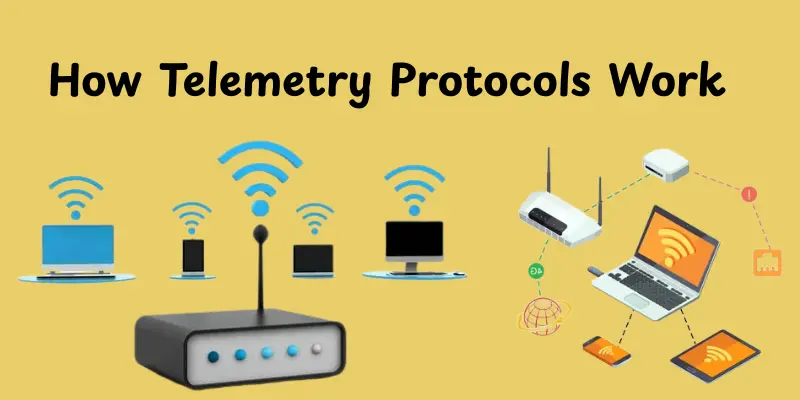
Telemetry protocols enable communication between a sensor (or telemetry device) and a central server. The device collects data and transmits it via a specified protocol, allowing real-time analysis and feedback. Each protocol ensures that the data is securely sent and received without errors, maintaining system integrity.
Data Collection
The process begins with sensors gathering relevant data, like temperature or pressure. These devices capture continuous readings, which are critical for monitoring.
Transmission of Data
Once the data is collected, it is transmitted using one of the many telemetry communication protocols, such as Bluetooth or LoRaWAN. This data is sent to a central server or cloud system for analysis.
Data Analysis
The received data is processed and analyzed to provide actionable insights. This step is crucial for decision-making in industries such as healthcare and agriculture, where real-time feedback is essential.
Benefits of Telemetry Communication Protocols
Telemetry communication protocols offer numerous benefits, primarily by enabling real-time data collection, monitoring, and analysis. These advantages make telemetry systems crucial in industries ranging from healthcare to environmental management. The ability to track performance and receive alerts based on sensor data transmission helps businesses make better, more informed decisions.
Improved Real-time Monitoring
By providing remote monitoring, telemetry systems allow businesses to keep an eye on systems and equipment from anywhere in the world, reducing the need for on-site inspections.
Cost Reduction
Telemetry reduces operational costs by automating processes and eliminating the need for frequent physical checks, leading to significant savings.
Increased Efficiency
With real-time data, businesses can identify issues and respond immediately, improving operational efficiency and uptime.
Better Decision-Making
Data analysis from telemetry systems helps industries make decisions faster and with greater confidence, improving overall business outcomes.
What Are the Key Challenges in Telemetry Communication Protocols?
While telemetry communication protocols offer numerous advantages, they come with their own set of challenges. Understanding these issues is crucial for optimizing the systems and making the most of the technology.
Signal Interference
Wireless protocols, such as Bluetooth or Wi-Fi, are susceptible to interference from other devices, leading to disruptions in data transmission.
Data security
Ensuring secure telemetry is crucial, as sensitive data could be vulnerable to cyberattacks without proper data encryption protocols.
Bandwidth Limitations
Specific protocols, particularly those used in remote locations, may face bandwidth limitations that affect data transfer efficiency.
Power Consumption
For low-power devices, managing energy consumption is a constant concern. Many wireless telemetry systems require power-efficient protocols to function for extended periods.
Wired vs. Wireless Telemetry Protocols
When deciding between wired and wireless telemetry protocols, consider factors such as range, power consumption, and installation requirements. Both options have pros and cons that must be evaluated based on specific needs.
Wired Protocols
Wired systems, such as RS-232, offer a reliable and stable connection, making them ideal for industrial monitoring. However, they lack flexibility because they require physical connections.
Wireless Protocols
On the other hand, wireless telemetry protocols like Zigbee and Wi-Fi provide much greater flexibility. They can cover vast distances and are easily scalable, but their signal can be affected by interference.
Range and Flexibility
Wired protocols tend to have a limited range, while wireless protocols can offer coverage over larger distances. However, long-range communication options like LoRaWAN overcome this limitation in wireless systems.
Cost and Installation
Wired systems often incur higher installation costs due to physical infrastructure requirements. Wireless systems may be more cost-effective and easier to scale, but require careful management to avoid interference.

How to Choose the Right Telemetry Protocol
Choosing the correct telemetry protocol is crucial for ensuring that your system operates efficiently and reliably. Several factors must be considered to make the proper selection for your specific needs.
Consider the Application
If you need real-time, long-range data transmission, LoRaWAN or NB-IoT may be ideal. For shorter distances, Bluetooth or Zigbee might be better options.
Power Consumption
For applications where devices are battery-powered, you’ll need a low-power device and an efficient protocol like LoRaWAN.
Data Requirements
Depending on how much data you need to transmit, choose a protocol that supports your data transfer rate and communication technology needs.
Best Practices for Telemetry Communication
To ensure your telemetry communication systems operate optimally, follow best practices. These will help you avoid common issues and maintain the system’s efficiency.
- Regularly test and maintain equipment.
- Implement data encryption for security.
- Use a protocol that fits your specific IoT devices.
- Ensure compatibility between devices and protocols.
By following these practices, you can ensure smoother operations, reduce the risk of failures, and make the most of your telemetry systems.
The Future of Telemetry Communication Protocols
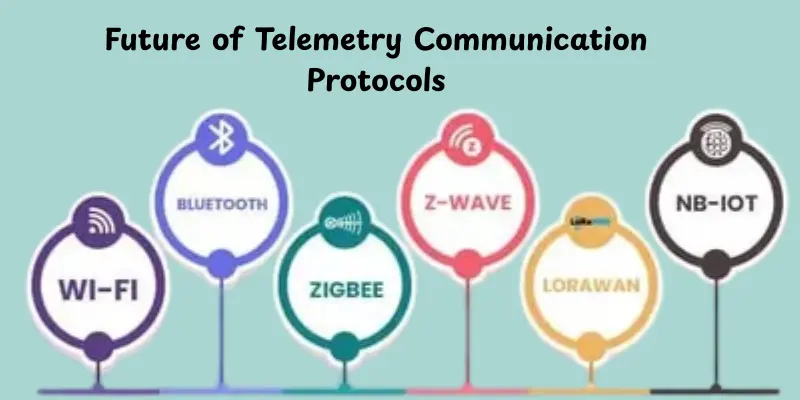
As the world continues to evolve, telemetry communication protocols are expected to become even more advanced. Innovations in IoT networks, cloud connectivity, and real-time data analysis will drive the future of telemetry systems. With the development of faster, more efficient protocols, the possibilities for real-time, automated systems are limitless.
5G and Telemetry Systems
The rollout of 5G networks is expected to revolutionize telemetry communication, providing faster speeds and lower latency, which will be crucial for industries like healthcare and manufacturing.
Integration with AI
The integration of artificial intelligence with telemetry will allow systems to analyze data in real-time, enabling faster decision-making and more precise automation.
Smart Cities and Telemetry
In the context of smart cities, telemetry protocols will play a key role in managing everything from traffic systems to environmental monitoring, improving the quality of life for urban residents.
Frequently Asked Questions About Telemetry Communication Protocols
Here are some common questions people have about telemetry communication protocols
Telemetry communication is the process of transmitting data from remote sensors to a central system for monitoring and analysis.
These protocols ensure secure, reliable, and efficient data transfer between devices and systems.
There are wired protocols such as RS-232 and wireless protocols such as Bluetooth, Zigbee, and LoRaWAN.
Telemetry protocols facilitate the collection and transmission of data from sensors to central servers or cloud systems.
They provide real-time monitoring, reduce operational costs, and improve decision-making and system efficiency.
Challenges include signal interference, data security risks, bandwidth limitations, and power consumption concerns.
Consider the data requirements, range, power consumption, and application needs when selecting a protocol for your system.
Conclusion
Telemetry communication protocols are essential to the modern technological landscape. They enable real-time monitoring, enhance remote communication, and ensure secure and efficient data transfer. Understanding the types, benefits, and challenges of these protocols will help you make informed decisions when choosing the best system for your needs. Whether you’re working in healthcare, agriculture, or industrial monitoring, leveraging the proper telemetry protocol can significantly enhance efficiency and drive innovation.






- Be Respectful
- Stay Relevant
- Stay Positive
- True Feedback
- Encourage Discussion
- Avoid Spamming
- No Fake News
- Don't Copy-Paste
- No Personal Attacks
- Be Respectful
- Stay Relevant
- Stay Positive
- True Feedback
- Encourage Discussion
- Avoid Spamming
- No Fake News
- Don't Copy-Paste
- No Personal Attacks
