Mastering Zigbee Telemetry System for Smart Home Control
Published: 9 Dec 2025
Zigbee Telemetry Systems are revolutionizing the way we manage smart home automation and remote monitoring. Using the Zigbee protocol, these systems enable seamless communication between wireless devices, allowing them to share data efficiently with minimal power consumption. Whether you’re looking to automate your home with smart thermostats and motion sensors or monitor industrial equipment, Zigbee offers a reliable solution.
It’s perfect for creating IoT networks that connect multiple home sensors and devices. With its low-power devices and range flexibility, Zigbee is quickly becoming the go-to technology for energy-efficient, scalable telemetry systems that make remote management easier and more effective.
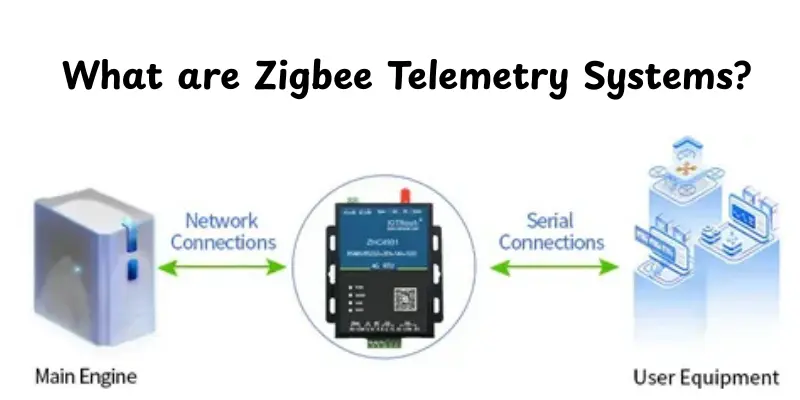
What are Zigbee Telemetry Systems?
Zigbee Telemetry Systems are advanced networks that utilize the Zigbee protocol to enable wireless communication between devices for smart home automation and remote monitoring. These systems use low-power devices to transmit data efficiently, creating scalable and energy-efficient IoT networks. Zigbee’s unique mesh networking capability ensures devices can communicate over longer distances, making it perfect for home and industrial use.
What is Zigbee Telemetry?
Zigbee Telemetry systems use wireless devices such as motion sensors, temperature sensors, and smart thermostats to collect and transmit data. The data collected is sent to a central hub or gateway for further analysis and remote control.
How Does Zigbee Work?
The Zigbee protocol operates on a mesh network, where devices communicate not only with the hub but also relay data to other connected devices, expanding the Zigbee range and ensuring better connectivity.
Benefits of Zigbee Telemetry Systems
Zigbee Telemetry systems are known for their low energy consumption, reliability, and scalability. These systems offer secure, efficient data transmission and are ideal for creating IoT networks that manage both home and industrial systems effectively.
How Zigbee Sends Data Without Using Much Power
Zigbee is designed for efficiency, making it one of the most energy-conscious technologies in smart home automation. Unlike other wireless devices, Zigbee’s low-power protocol allows it to send data over long distances with minimal energy consumption.
The Efficiency of Zigbee Protocol
Zigbee operates on a mesh network, where each Zigbee device relays data, reducing the power required by the hub to send messages over long distances. This decentralized communication system makes it highly energy-efficient.
Energy-Saving Features
Zigbee devices are built to be low-power, meaning they activate only when necessary. Whether you’re controlling a smart thermostat or using motion sensors for home security, these devices only consume energy when data needs to be sent or received.
Zigbee’s Role in Home Automation
In home automation systems, Zigbee helps reduce the need for continuous power flow, making it ideal for IoT networks where home sensors must remain active yet run on minimal power. This helps in remote control systems without draining batteries quickly.
The Easy Flow: How Sensors Talk Through Zigbee
One of Zigbee’s greatest strengths lies in how sensors communicate with each other and with the Zigbee hub. It’s all about simplicity and efficiency, ensuring that devices work together seamlessly to create a connected smart home network.
Connecting Devices in a Zigbee Mesh Network
Sensors connected via Zigbee communicate with one another through a mesh network. This means that even if a device is out of direct range from the hub, the signal can hop through other devices, maintaining a stable connection.
Data Transfer in Zigbee Networks
When a sensor needs to send data, such as temperature readings from a smart thermostat or motion-detection data, it sends the information via the Zigbee protocol. This data is relayed from one device to another until it reaches the Zigbee hub or gateway.
Why Zigbee Works Better in a Mesh Network
The Zigbee protocol shines when used in a mesh network. This setup enhances the overall performance of your smart home automation system by extending the range and improving reliability. Here’s why Zigbee is perfect for this setup.
Extended Coverage
In a traditional star network, every device must communicate directly with the hub. However, with Zigbee’s mesh network, each device’s connectivity acts as a repeater, relaying messages to other devices. This makes the range much larger and more robust.
Reliability and Redundancy
If one device fails or loses connection, the mesh network will simply reroute the data through another path, ensuring reliable communication. This is a massive advantage for remote monitoring systems, where uninterrupted connectivity is critical.
Scalability
As your smart home network grows, Zigbee’s mesh network allows you to add more devices without worrying about signal degradation. Adding new Zigbee devices to your IoT network won’t compromise performance, as each new device strengthens the network.
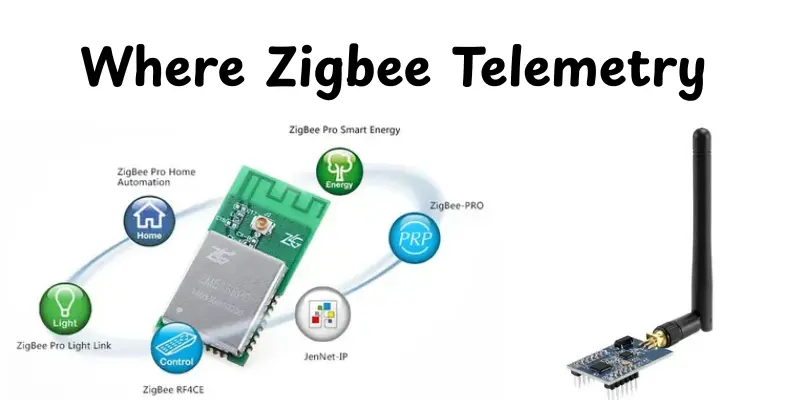
Small Devices, Big Impact: Where Zigbee Telemetry Helps Most
Zigbee’s telemetry system is ideal for small, low-power wireless devices that need to communicate without draining power. It’s advantageous in environments that require continuous monitoring and automation without high energy consumption.
Smart Home Automation
Zigbee’s home sensors, such as motion detectors and door/window sensors, play a key role in making your smart home more secure and efficient. For example, Zigbee can automatically turn on lights when you enter a room or adjust the thermostat when you leave.
Industrial Applications
In factories or warehouses, Zigbee can be used for remote monitoring of inventory systems, temperature sensors, and security motion detection. These low-power devices can help businesses stay on top of operations without requiring excessive energy.
Healthcare and Medical Telemetry
Zigbee is also being used in healthcare settings, where telemetry systems monitor patients’ vital signs. The Zigbee protocol can wirelessly transmit data from small medical devices to central hubs, enabling healthcare providers to monitor patients remotely.
What Makes Zigbee a Smart Choice for Remote Monitoring
Zigbee is an excellent choice for remote monitoring because of its unique capabilities that combine low power consumption, reliability, and flexibility. Here’s why it’s widely used for monitoring applications.
- Low-Power, High-Efficiency Design
As mentioned, Zigbee is designed to minimize power usage. Smart home products can be connected without frequent battery replacements, making them ideal for remote monitoring, where devices are often deployed in places without access to a power source.
- Easy to Scale
Zigbee’s mesh network allows for easy scaling. Whether you’re monitoring one room or an entire facility, the system can grow with your needs without sacrificing performance.
- High security
Security is a critical aspect of remote monitoring systems, and Zigbee is known for its strong encryption. Every Zigbee message is encrypted, ensuring that home security systems, motion-detection sensors, and other sensitive data remain secure from hackers.
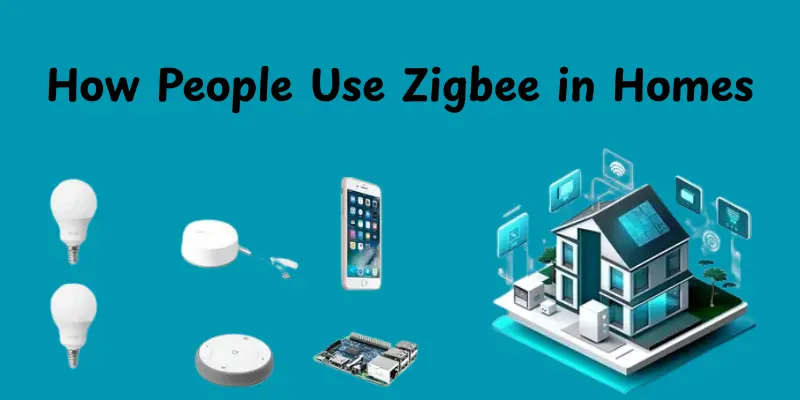
Real-Life Uses: How People Use Zigbee in Homes and Workplaces
Zigbee isn’t just for tech enthusiasts; it’s used daily by regular people in homes and workplaces. The Zigbee protocol powers thousands of smart devices that make life easier and more efficient.
- In Homes
Zigbee is most often used in smart home automation. People use Zigbee to control bright lighting, monitor home security with motion sensors, and automate smart thermostats to save energy.
For example, someone can set their smart thermostat to adjust the temperature when they’re away from home, or a motion detector could activate lights when it detects someone walking through the hallway.
- In Workplaces
In the workplace, Zigbee is commonly used for asset tracking, temperature monitoring, and even controlling bright lighting to reduce energy consumption. Warehouses use Zigbee to monitor inventory, ensuring efficiency and reducing the likelihood of errors in stock management.
Setting Up Your First Zigbee Telemetry System (Beginner Steps)
Setting up your first Zigbee telemetry system is a simple and rewarding process, even for beginners. Here’s a quick guide to getting started with this fantastic technology.
Choosing the Right Zigbee Hub
To get started, the first step is selecting the right Zigbee hub. This hub will be the central controller for all your devices, from home sensors to bright lights. Make sure it supports Zigbee devices and is well compatible with smart home products.
Pairing Zigbee Sensors with the Hub
Once your hub is set up, you’ll need to pair it with Zigbee sensors. This can be done through an app or a web interface. Each device will be automatically recognized, and you’ll be able to control them from your smartphone.
Testing and Optimizing Your System
Once everything is connected, test each device’s functionality to ensure it’s working correctly. Make sure all Zigbee devices are within range and that the Zigbee mesh network is functioning correctly.
Maintenance
Finally, maintain your Zigbee telemetry system by regularly updating the hub firmware and checking the battery levels of your low-power devices. This ensures the system continues to work smoothly over time.
Frequently Asked Questions About Zigbee Telemetry Systems
Zigbee Telemetry Systems are gaining popularity for their efficiency and ease of use. Here are some common questions people have when considering this technology.
Zigbee is commonly used to connect wireless devices like smart thermostats, motion sensors, and bright lighting for home automation.
Unlike Wi-Fi, Zigbee is a low-power protocol that operates on a mesh network, allowing devices to relay data and extend range without consuming much energy.
No, Zigbee devices typically need a Zigbee hub to communicate and manage data transmission effectively within the IoT network.
Zigbee enables motion-detection and remote-control systems that help automate home security functions, such as turning on lights or alerting homeowners to intrusions.
Zigbee’s low-power devices help optimize energy usage, making it ideal for smart home automation, where minimizing power consumption is crucial.
Yes, Zigbee’s mesh network allows for easy scaling, as new Zigbee devices can be added without compromising signal strength or connectivity.
Zigbee systems use encryption to secure data, ensuring that devices like home sensors and bright lighting are protected from unauthorized access.
Conclusion
Zigbee Telemetry Systems offer a robust, low-power solution for home automation and remote monitoring. By utilizing the Zigbee protocol and mesh network, these systems provide seamless connectivity between wireless devices, making it easier to automate and manage your home or business. The ability to scale, secure, and control devices remotely through smart home products makes Zigbee an ideal choice for both residential and industrial applications.
As you explore the potential of Zigbee, you’ll enjoy the flexibility, energy efficiency, and reliability it brings to your IoT network. Whether for home security, bright lighting, or temperature control, Zigbee helps create a more connected and efficient environment.






- Be Respectful
- Stay Relevant
- Stay Positive
- True Feedback
- Encourage Discussion
- Avoid Spamming
- No Fake News
- Don't Copy-Paste
- No Personal Attacks
- Be Respectful
- Stay Relevant
- Stay Positive
- True Feedback
- Encourage Discussion
- Avoid Spamming
- No Fake News
- Don't Copy-Paste
- No Personal Attacks
